Hello Alan Lloyd - Your Scores - Logout

World War II: Meet the Man Who Led Britain to Victory! (Lesson Plan)

Lesson Plan - World War II: Meet the Man Who Led Britain to Victory!

Helping your child understand World War II can feel like a huge challenge — but the Britain victory lesson plan is designed to make it easier. This resource focuses on one of the most important figures in British history: Winston Churchill. He led the country through one of its darkest periods and became a symbol of strength, courage, and determination.
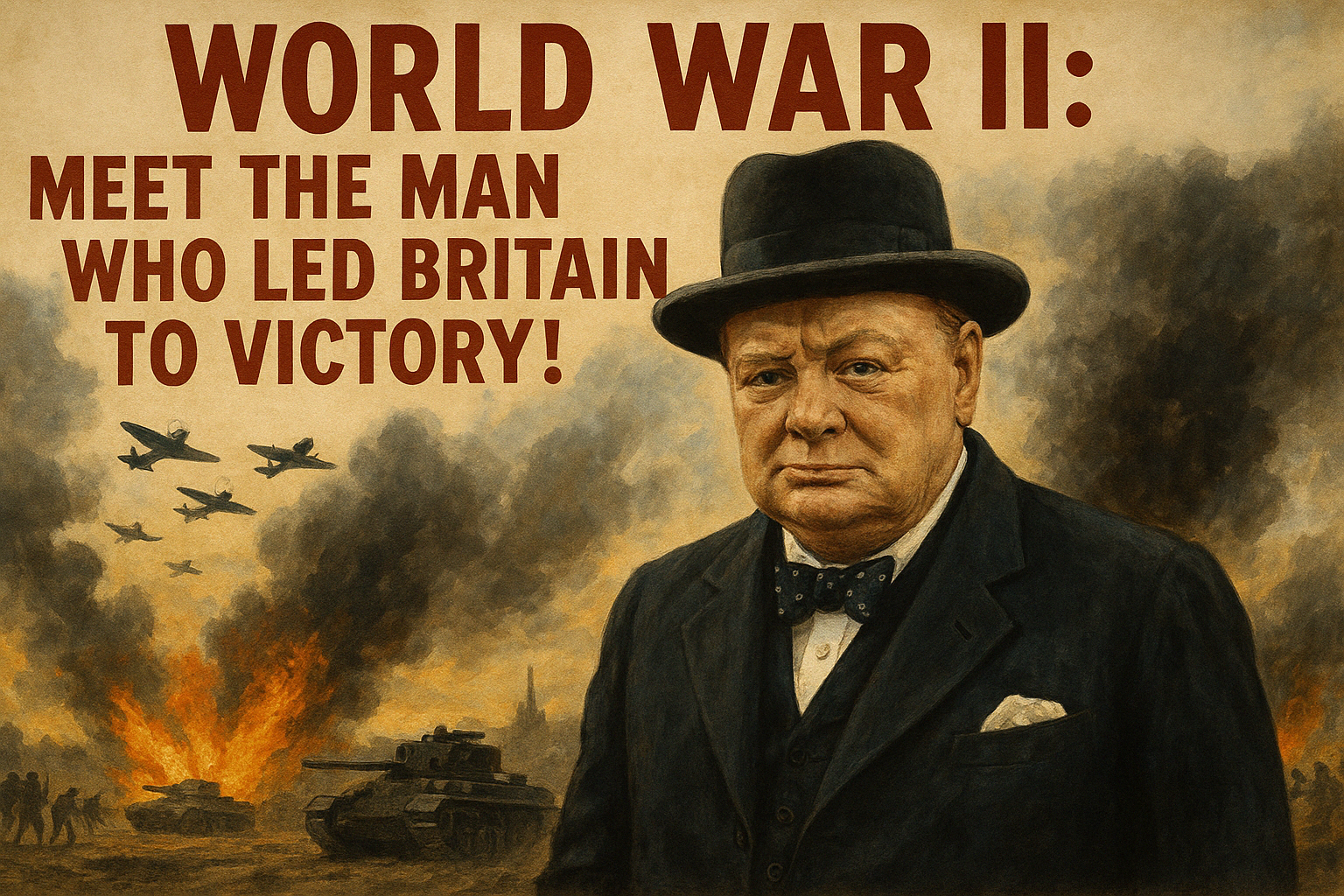
Winston Churchill was the man who led Britain to victory in World War II
By Alan Lloyd

This lesson plan breaks the topic into manageable parts for learners aged 8–16. It looks at Churchill’s early life, his wartime leadership, famous speeches, and the reasons he’s remembered as the man who led Britain to victory. With clear learning goals, simple activities, and discussion prompts, you’ll be able to support your child even if you don’t have a background in history or politics. This is more than just facts — it’s about inspiring confidence and building real understanding of what leadership looks like in difficult times.


This topic is part of our Info Zone collection. You can read the full topic, once logged in, here: World War II: Meet the Man Who Led Britain to Victory!

You’ll also find a full Lesson Plan and a handy Parent Q & A sheet, for this topic, ready to use..

Printable Lesson Plan

World War II: Meet the Man Who Led Britain to Victory!

This lesson plan is designed to help you support your child with this topic: World War II: Meet the Man Who Led Britain to Victory!


Learning Objectives (What You’ll Learn Today)

  • Understand who Winston Churchill was and how he became Prime Minister
  • Explore Churchill’s role as a wartime leader during World War II
  • Examine how speeches and leadership inspired British people to keep going
  • Think critically about what makes someone a good leader in difficult times


Estimated Time

60–90 minutes, depending on discussion time and activity depth


Let’s Get Started

Ask your child: “If your country was under attack, what kind of leader would you want in charge? What qualities would be most important?”


The Main Lesson

Who Was Winston Churchill?

Winston Churchill was a British politician, writer, and army officer who became Prime Minister during World War II. He was known for his bold ideas, powerful speeches, and determination not to give in to Nazi Germany. But before becoming famous, Churchill faced failure and doubt — even from his own country.

Understanding his background helps learners see how he grew into the role that changed Britain’s history. This is where the Britain victory lesson plan begins — by showing Churchill as a person first, not just a hero.

Mini-Task: Draw a timeline of Churchill’s life before he became Prime Minister. Include key jobs, decisions, and mistakes.


Leading in Dark Times

In 1940, the world was in chaos. France had fallen. Hitler seemed unstoppable. Britain stood alone. Churchill took over as Prime Minister and told the country the truth — things were going to be hard, but they must not surrender. This made a huge difference to national spirit.

He spoke directly to people, walked through bombed streets, and showed up when it mattered. That’s why many remember him as the man who led Britain to victory.

Mini-Task: Write three words that best describe Churchill as a leader. Explain why you chose each one.


The Power of Speeches

Churchill gave many powerful wartime speeches. He knew that words could make people feel strong, even during bombings and losses. Famous phrases like “We shall fight on the beaches” helped people believe they could win.

He practised his speeches, edited every line, and used short, clear language. It wasn’t just what he said — it was how he said it. This part of the Britain victory lesson plan looks at how good communication can inspire real action.

Mini-Task: Read a short Churchill quote aloud. How does it make you feel? Why do you think it inspired people?


Teamwork and Allies

Churchill knew Britain couldn’t win the war alone. He worked with other countries like the USA and the Soviet Union. Together, these Allied nations shared resources and planned huge military moves, like D-Day.

Churchill helped build trust between very different leaders. That ability to unite people — even with different views — is a key part of leadership.

Mini-Task: Imagine you had to work with someone who didn’t agree with you. How would you build trust and find common goals?


Churchill’s Legacy

After the war, Churchill lost an election but remained a symbol of British strength. He wrote books, gave more speeches, and won the Nobel Prize for Literature. Today, people debate both his successes and flaws — but most agree that he was the leader Britain needed at that moment in history.

His legacy teaches us that leadership is about action, honesty, and courage under pressure.

Mini-Task: What is one lesson you think Churchill would want young people to remember today?


Think and Discuss

  • Do you think Churchill’s speeches would still inspire people today? Why or why not?
  • What makes someone a good leader during a crisis?
  • Why is it important to learn about leaders from the past?


Wrap-Up Summary

Churchill led Britain through one of its hardest times with courage, powerful words, and smart choices. His life shows how strong leadership can help people stay hopeful even when things seem impossible.


Quiz

  1. Who became Prime Minister of Britain in 1940?
  2. True or False: Churchill gave up when France surrendered.
  3. Which country was not part of the Allies: USA, Germany, or USSR?
  4. What kind of speeches did Churchill give?
  5. Why did people trust Churchill during bombings?
  6. What event marked the beginning of the end for Nazi Germany?
  7. True or False: Churchill was always popular throughout the war.
  8. What prize did Churchill win after the war?
  9. What does a good leader do when things get tough?
  10. What was Churchill’s most famous line?

Answers

  1. Winston Churchill
  2. False
  3. Germany
  4. Inspiring and honest
  5. He was visible and brave
  6. D-Day
  7. False
  8. Nobel Prize for Literature
  9. Stay calm, act wisely, give hope
  10. “We shall fight on the beaches”

Short Essay Prompt

Write a short essay explaining how Winston Churchill helped Britain win the war. What were his strengths? Were there any weaknesses?


Extra Learning

Watch or listen to one of Churchill’s famous speeches online. Discuss how it compares to speeches by today’s leaders. What’s similar? What’s different?


Final Reflection (What Did You Learn?)

Talk with your child: “What does it take to be a strong leader? Do you think you could lead during a crisis? Why or why not?”


Leave a comment

'; // Add header content for print html += '

Lenara Learning

Get more learning resources at www.lenara.uk

'; // Insert the worksheet content html += '
' + content + '
'; html += ''; printWindow.document.write(html); printWindow.document.close(); printWindow.focus(); // Trigger printing and auto-close the popup printWindow.print(); printWindow.onafterprint = function() { printWindow.close(); }; setTimeout(function() { printWindow.close(); }, 1500); }