Hello Alan Lloyd - Your Scores - Logout

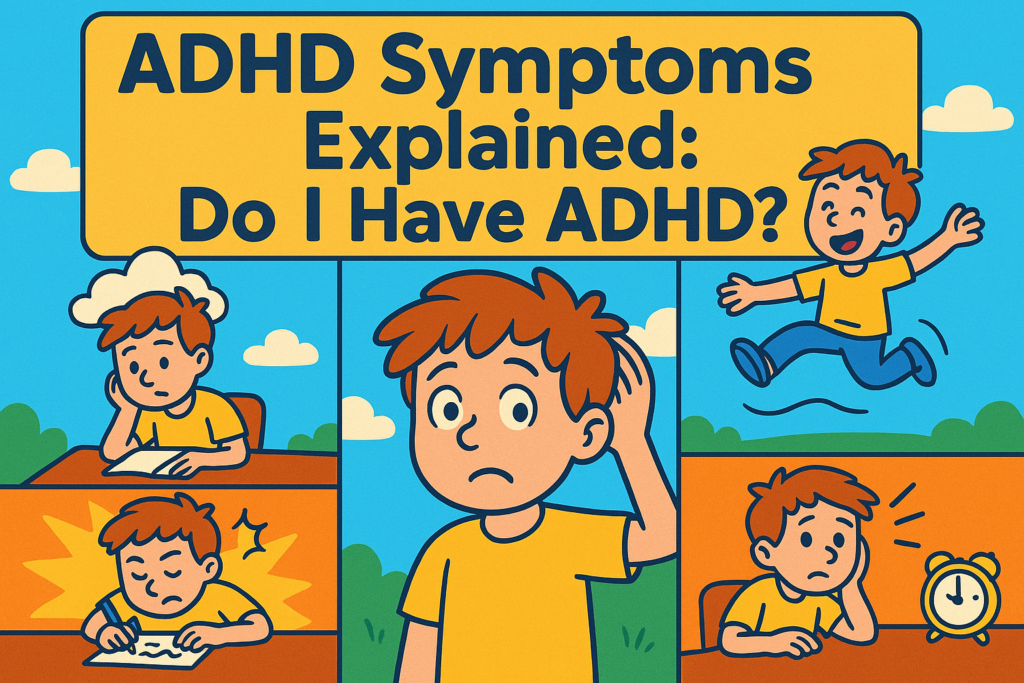
ADHD Symptoms Explained: Do I Have ADHD? (Lesson Plan)

Lesson Plan - ADHD Symptoms Explained: Do I Have ADHD?

The lesson plan for ADHD Symptoms Explained: Do I Have ADHD? has been carefully developed to help parents and carers guide their children through this important and often misunderstood topic. Whether your child is questioning if they might have ADHD, knows someone who does, or is simply curious, this plan gives you a clear and supportive way to explore what ADHD really means.

Using our structured plan, you’ll work through a range of activities designed to boost understanding, encourage thoughtful questions, and support self-reflection. You’ll find discussion starters, reading questions, creative tasks, and deeper thinking challenges to suit a wide range of ages and learning styles.

This resource is perfect for families using Elective Home Education. It offers the flexibility to explore the subject at your own pace and adapt the tasks to suit your child’s needs. Whether you’re delivering this as a full afternoon session or returning to the ideas over several days, this plan supports you in making learning calm, meaningful, and connected to your child’s real-life experiences.


This topic is part of our Info Zone collection. You can read the full topic, once logged in, here: ADHD Symptoms Explained: Do I Have ADHD?

You’ll also find a full Lesson Plan and a handy Parent Q & A sheet, for this topic, ready to use..

ADHD Symptoms Explained – Do I Have ADHD?
OverviewThis home education lesson helps learners understand what ADHD is, how it affects the brain and behaviour, and how to recognise its symptoms. It encourages empathy, self-awareness, and critical thinking. Suitable for a wide range of ages and abilities.
Learning Objectives - Understand what ADHD is and what the letters stand for
- Identify the three main types of ADHD symptoms
- Recognise that ADHD is a brain-based condition, not a character flaw
- Explore how people with ADHD experience the world differently
- Encourage respectful conversation and reduce stigma around the condition
Estimated Time45–75 minutes (can be spread over several sessions)
Starter Activity Ask: “Have you ever found it hard to sit still or focus on something that didn’t interest you?”
Write down some answers together.

Watch a short video or animation that introduces ADHD (suggestions available on YouTube – use SafeSearch).
Read and Learn Read the article ADHD Symptoms Explained: Do I Have ADHD? aloud or independently, depending on reading level.

Talk about these questions together:
  • What does ADHD stand for?
  • What are some signs of inattentive ADHD?
  • How does impulsivity affect someone’s choices?
  • Why might someone not realise they have ADHD until they are older?
Activities Comprehension Questions:

  1. What are the three types of ADHD?
  2. Why is ADHD not the same for everyone?
  3. What’s the difference between hyperactivity and impulsivity?
  4. How can ADHD be diagnosed?
  5. What causes ADHD in the brain?

Creative Thinking:

Write a short story or comic strip about a character who has ADHD. How do they experience a school day or a hobby they love?

Mind Map:
Draw a diagram showing symptoms of ADHD under the headings: Inattentive, Hyperactive, Impulsive.
Deeper Thinking Big Question: “Is ADHD a weakness or a difference?”

Discuss together. Think about:
  • Can ADHD bring strengths?
  • What makes something a “disorder”?
  • Why is it helpful to have different kinds of brains in the world?
Creative Projects - Design a colourful “brain poster” that shows how someone with ADHD thinks or feels
- Create a “strengths card” listing 5 great things about people with ADHD
- Interview someone (real or imagined) about their ADHD and what helps them succeed
Review & Reflect Ask your learner:

  • What part of ADHD did you understand best?
  • Did anything surprise you?
  • What would you say to someone who says “ADHD isn’t real”?
Extensions & Homework - Research how ADHD is shown in books, films, or TV (find good and bad examples)
- Write a letter to your future self explaining how to support someone with ADHD
- Visit the websites of ADHD Foundation or YoungMinds and explore support tools
'; // Add header content for print html += '

Lenara Learning

Get more learning resources at www.lenara.uk

'; // Insert the worksheet content html += '
' + content + '
'; html += ''; printWindow.document.write(html); printWindow.document.close(); printWindow.focus(); // Trigger printing and auto-close the popup printWindow.print(); printWindow.onafterprint = function() { printWindow.close(); }; setTimeout(function() { printWindow.close(); }, 1500); }