Understanding the Ukraine War: What’s Happening and Why It Matters (Lesson Plan)
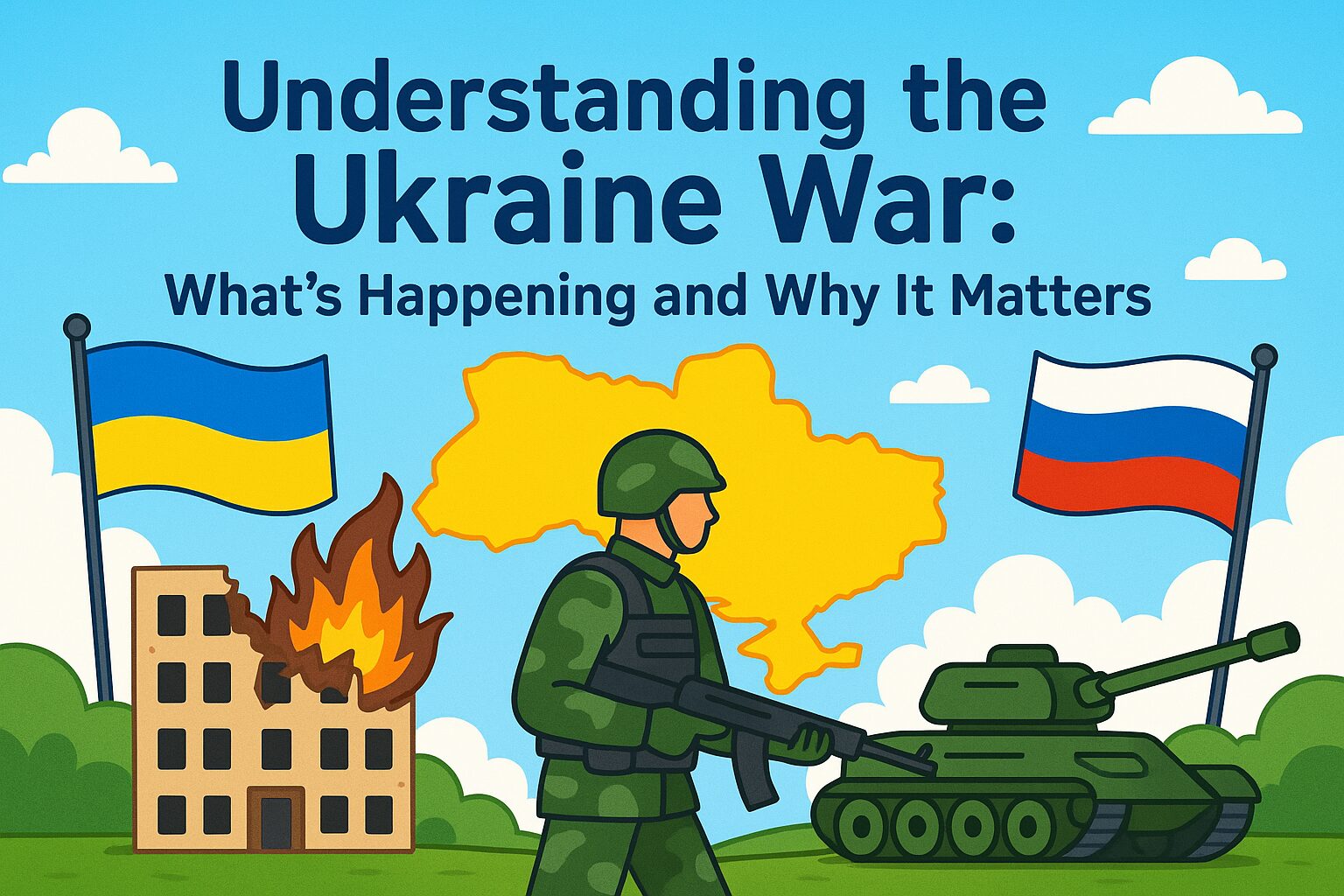
Understanding the Ukraine War: What’s Happening and Why It Matters

This structured and parent-friendly lesson plan explores the Ukraine War from start to present. It covers causes, consequences, and global effects, using plain language, easy steps, and child-friendly questions. Designed for home learners aged 8–16, it builds knowledge and critical thinking about one of today’s most important world events.
The End of Everything: How the Universe Might Die (Lesson Plan)

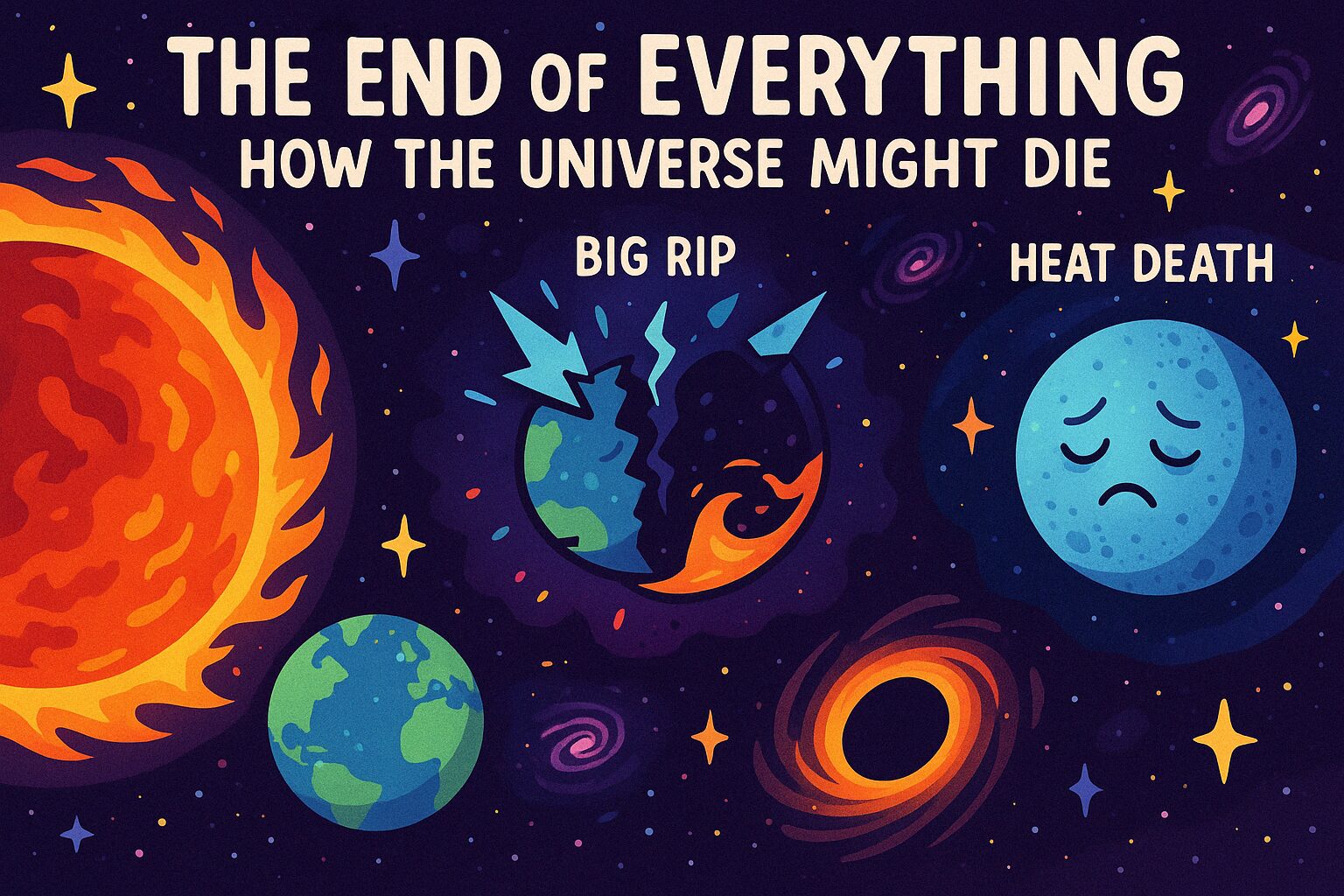
The End of Everything: How the Universe Might Die

This detailed end of universe lesson plan helps parents explore how the cosmos might end with their child. Covering the Big Rip, Big Crunch, and Heat Death theories, it explains concepts like dark energy and black holes in simple terms. Ideal for ages 8–16, with built-in critical thinking and fun mini-tasks to boost understanding.

Was the Mysterious Interstellar Object an Alien Probe or Just a Meteor? (Lesson Plan)

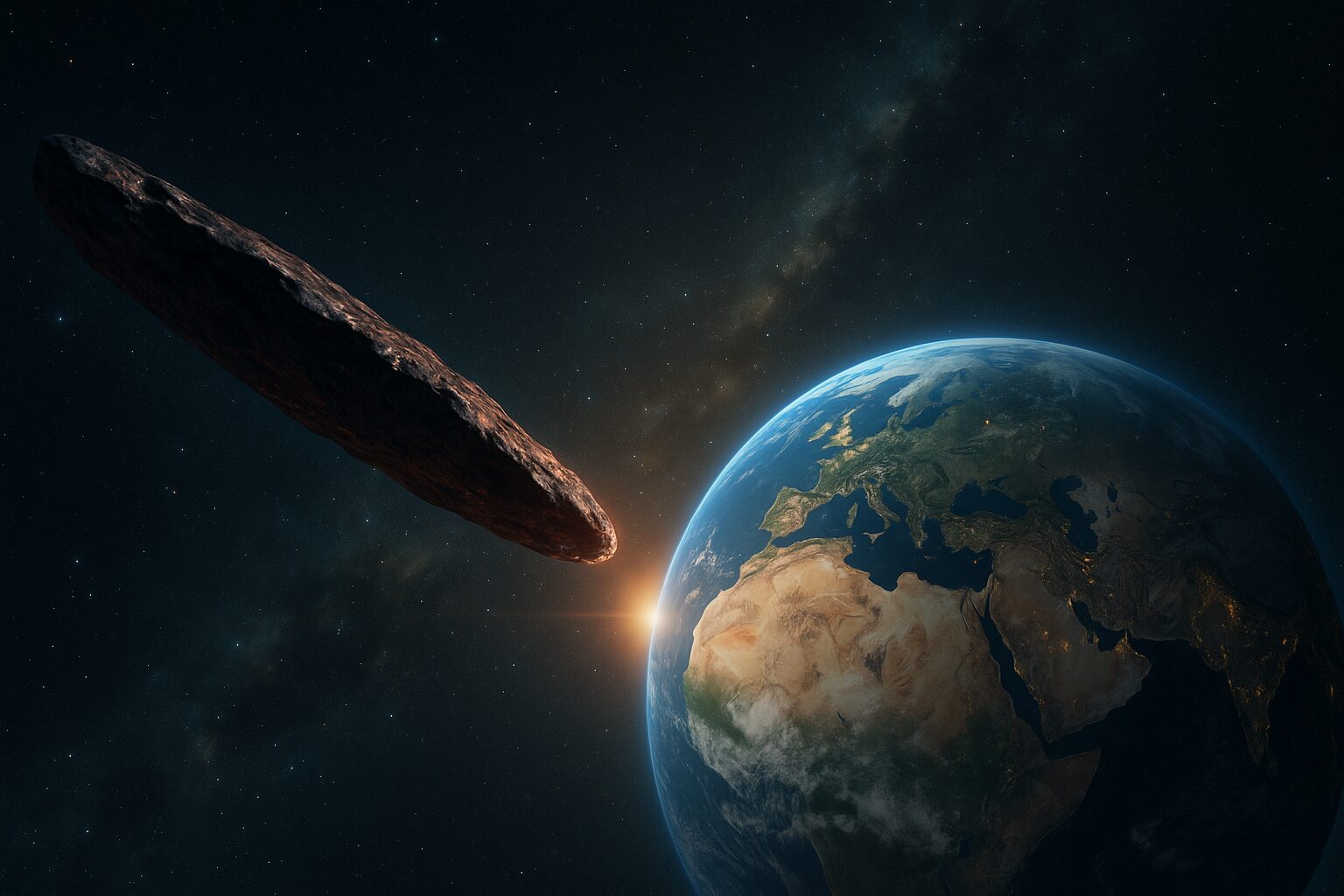
Oumuamua, Was the Mysterious Interstellar Object an Alien Probe or Just a Meteor?

This space science lesson plan explores the mysterious interstellar object called ʻOumuamua. Was it a comet, a rock, or something built? Learn what made it so strange, why some scientists suggested it could be alien, and how we study fast-moving objects from beyond our solar system. Includes discussion ideas, tasks, and a quiz.

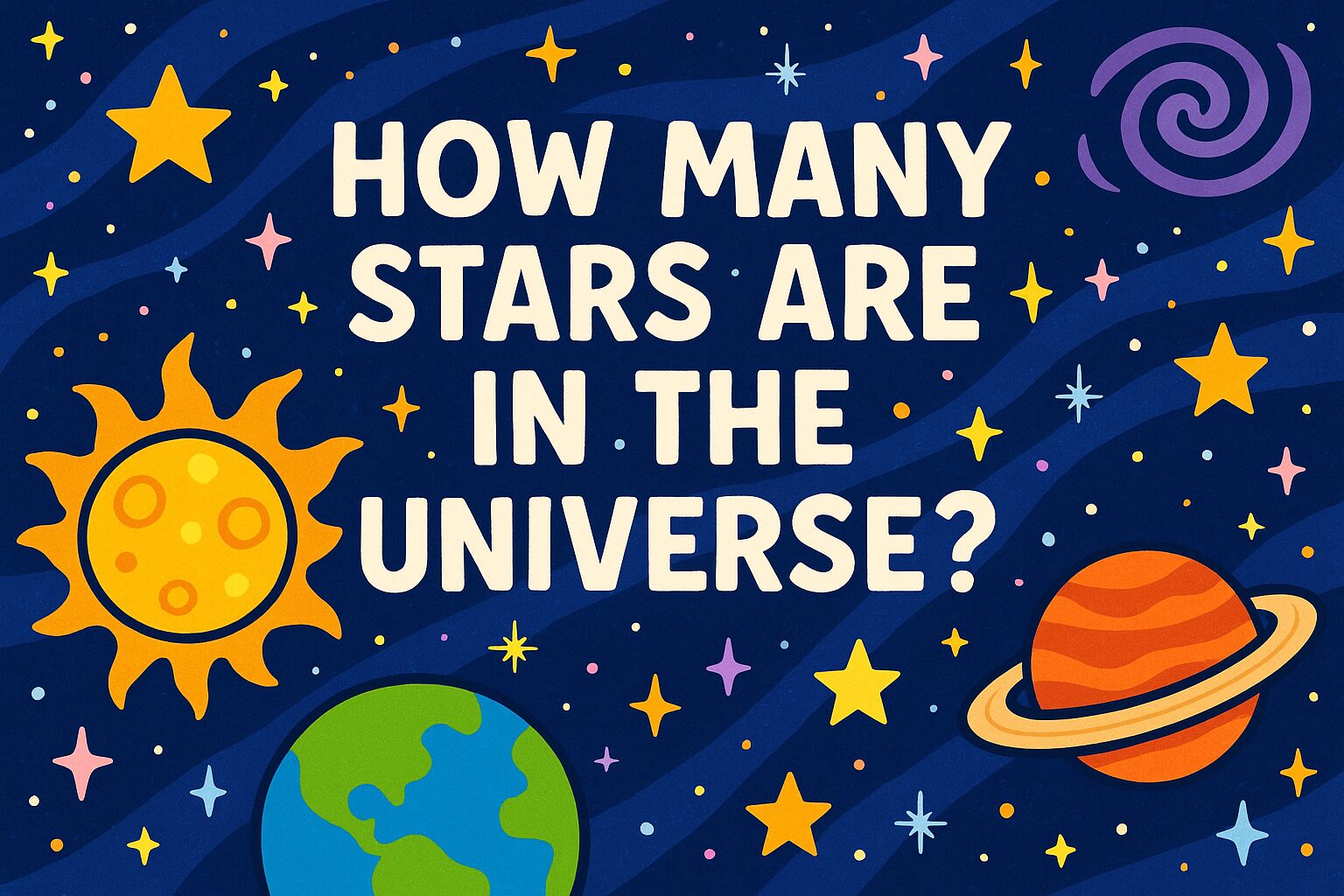
How Many Stars Are in the Universe? (Lesson Plan)

How Many Stars Are in the Universe?

This lesson plan helps parents teach how many stars are in the universe by exploring galaxy types, star estimates, telescope technology, and cosmic scale. With mini-tasks, quizzes, and critical thinking prompts, it’s perfect for ages 8–16 and supports home learning in a fun and structured way.

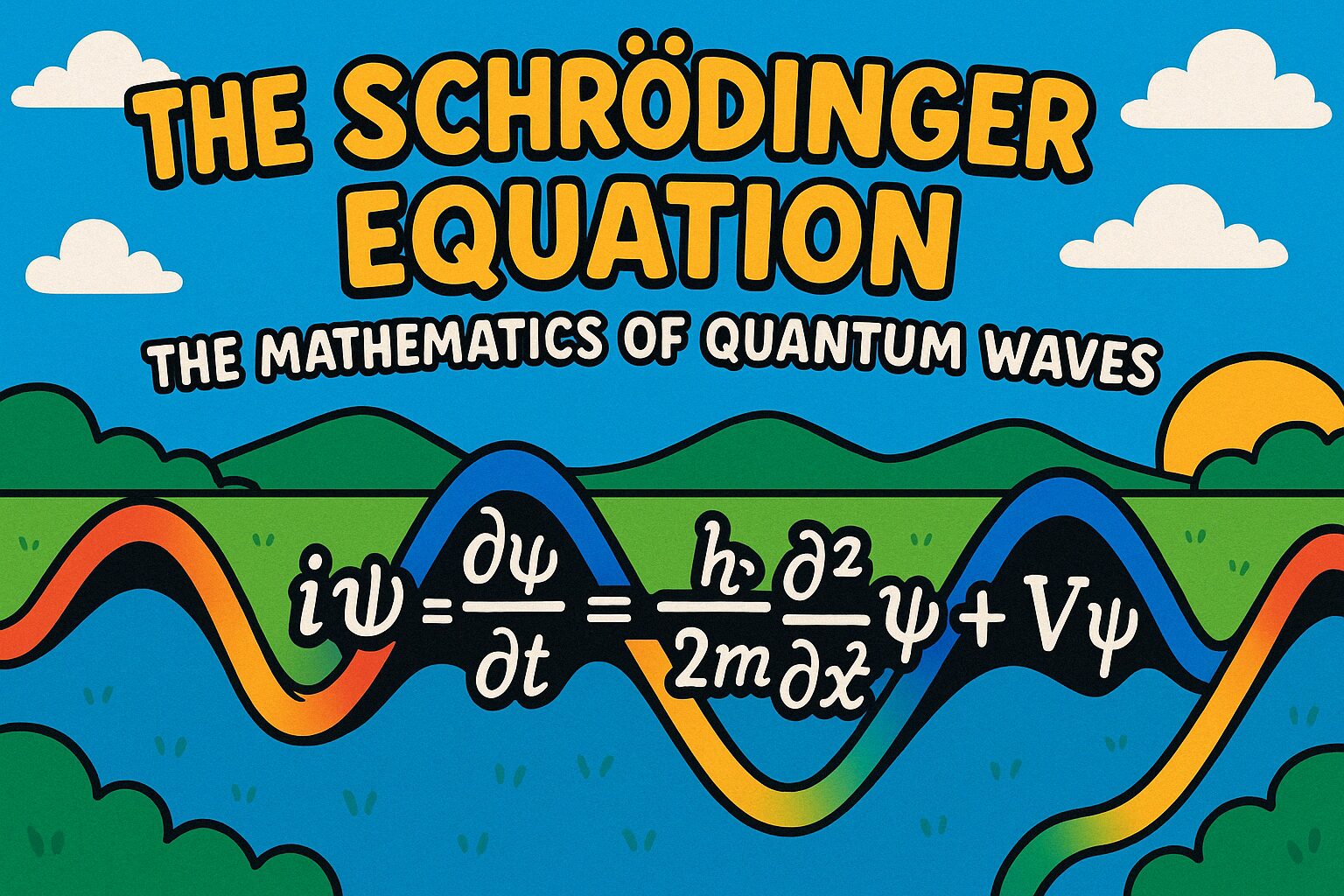
The Schrödinger Equation: The Mathematics of Quantum Waves (Lesson Plan)

The Schrödinger Equation: The Mathematics of Quantum Waves

This home education lesson plan explores the Schrödinger Equation and the strange world of quantum physics, where particles behave like waves. Using clear explanations and interactive tasks, it helps learners understand wavefunctions, probabilities, and real-life uses of quantum mechanics maths. Ideal for ages 8–16, with full parent support and engaging activities throughout.

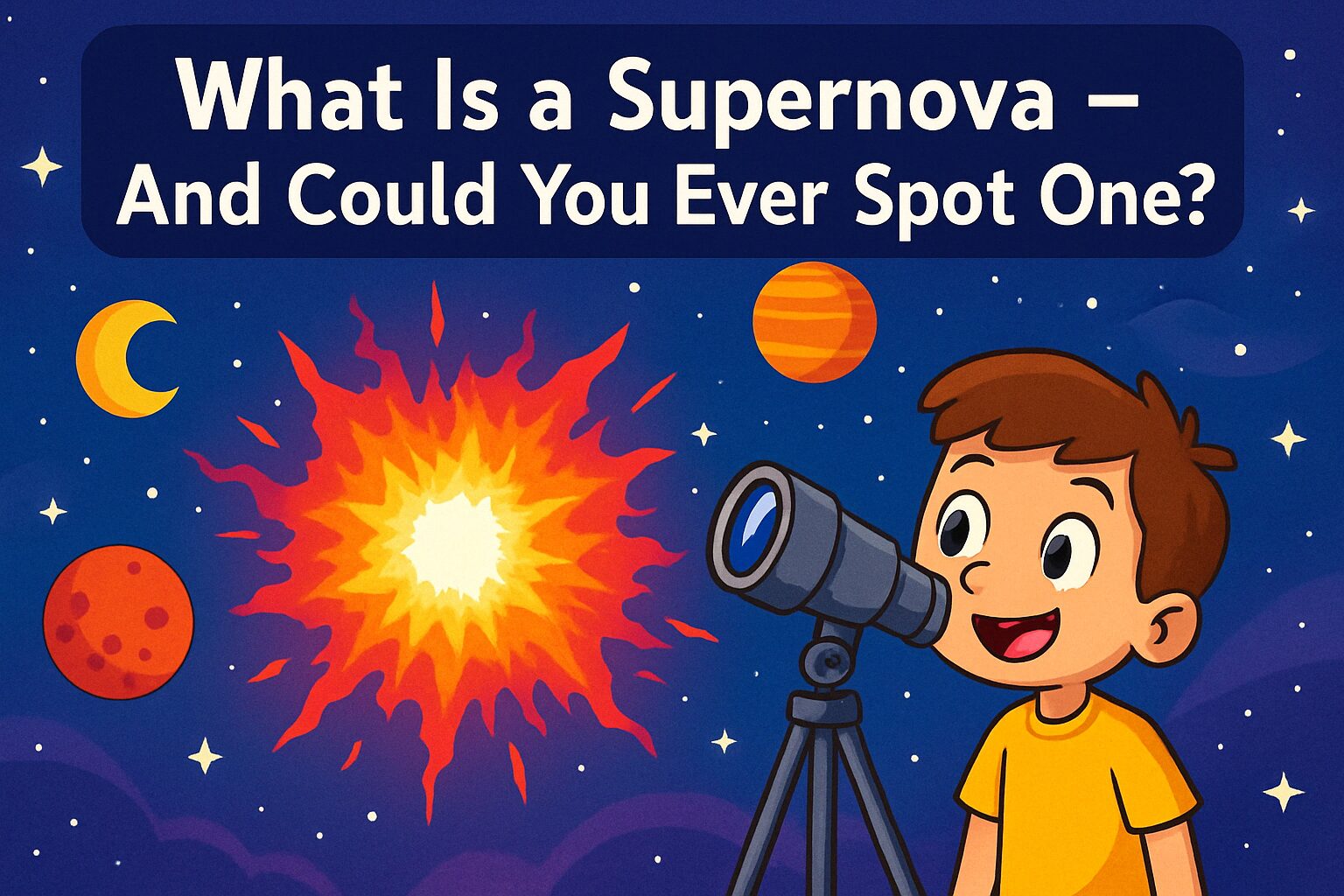
What Is a Supernova – And Could You Ever Spot One? (Lesson Plan)

What Is a Supernova – And Could You Ever Spot One?

This home education supernova lesson plan explores one of the most dramatic events in the universe — the explosive death of a star. Learn what triggers a supernova, what types exist, and what happens after. Includes discussion points, quiz questions, and creative mini-tasks. Perfect for curious learners aged 8–16 with an interest in space.

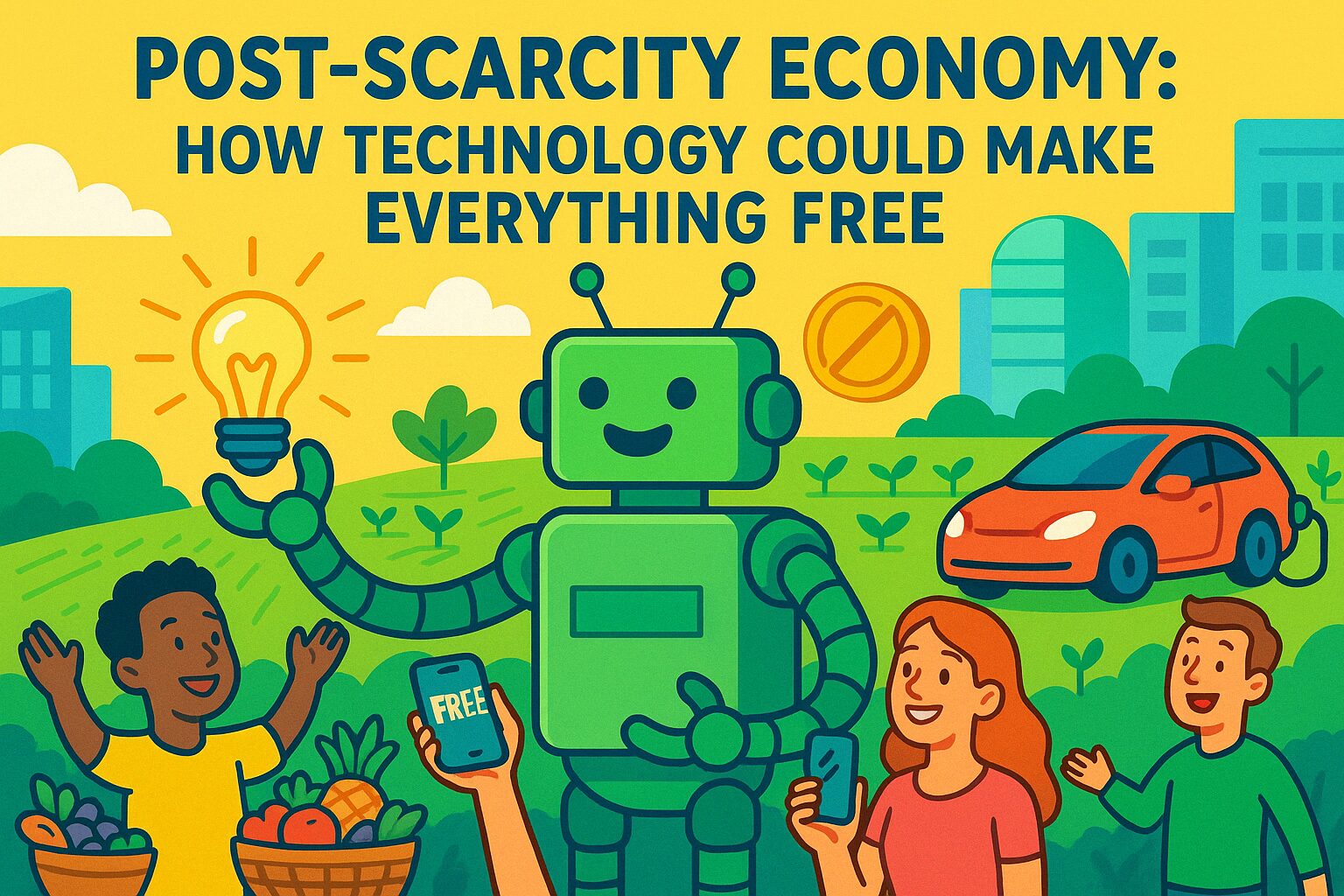
Post-Scarcity Economy: How Technology Could Make Everything Free (Lesson Plan)

Post-Scarcity Economy: How Technology Could Make Everything Free

This home education lesson plan helps children understand the science and ideas behind a post-scarcity economy. It covers how future technology like AI, automation, and renewable energy might make everything we need so cheap that it becomes free. Parents get step-by-step support for guiding discussions and encouraging critical thinking about jobs, fairness, and resource use.

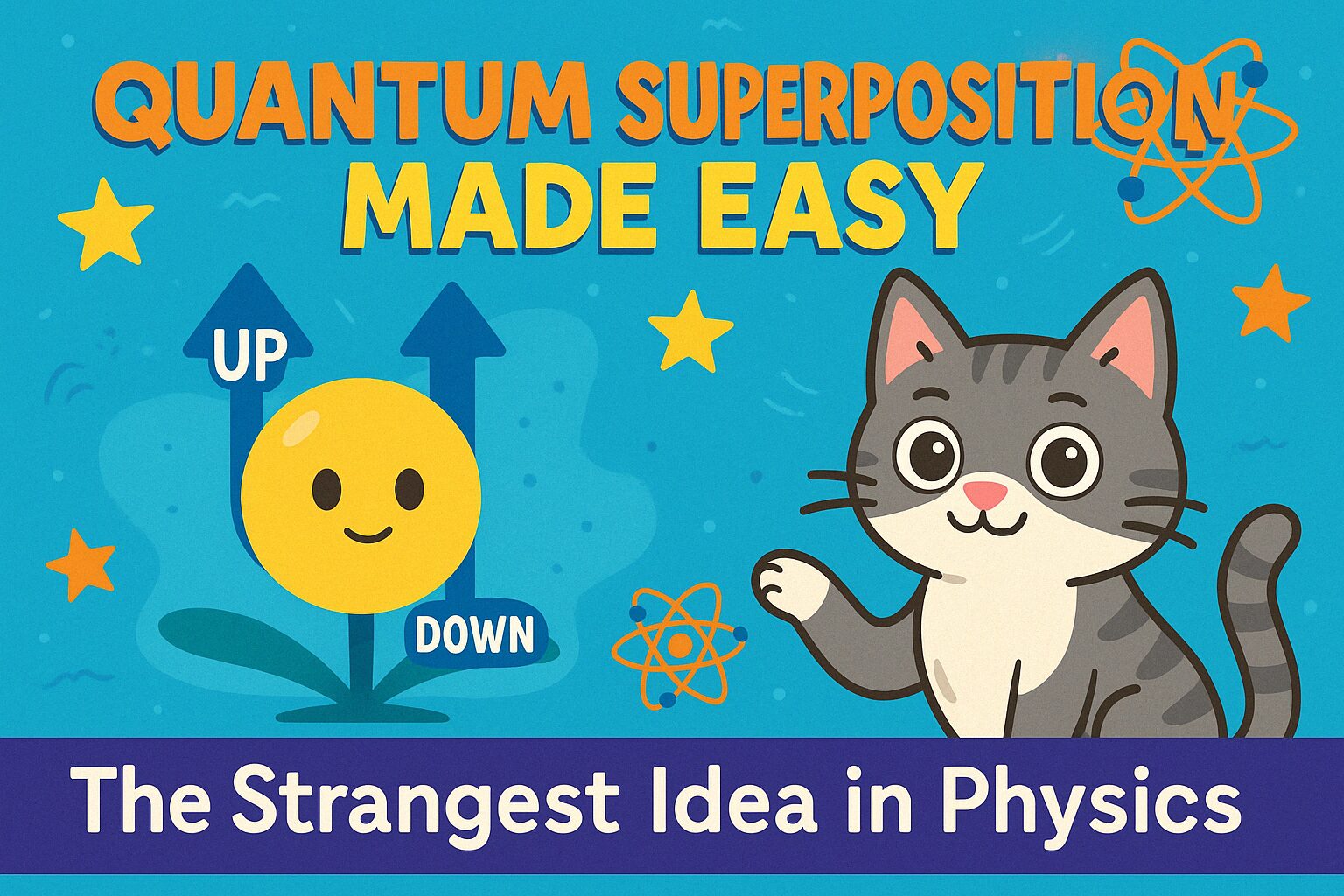
Quantum Superposition Made Easy: The Strangest Idea in Physics

Quantum Superposition Made Easy: The Strangest Idea in Physics

This home education lesson plan helps parents teach the fascinating topic of quantum superposition — the idea that particles can exist in more than one state at once. With clear explanations, discussion prompts, hands-on mini-tasks, and a quiz, it’s designed for curious learners aged 8–16. No science background needed — just curiosity and an open mind.