Who Was the First Superhero Ever Created? (Lesson Plan)
Lesson Plan - Who Was the First Superhero Ever Created?
The topic “Who Was the First Superhero Ever Created?” explores the roots of the superhero genre that dominates pop culture today. This engaging lesson plan helps you guide your child through the early history of comic book heroes, how the genre evolved, and what made the first superhero so unique. It uses simple explanations, fun comparisons, and plenty of thought-provoking questions to support meaningful home education.
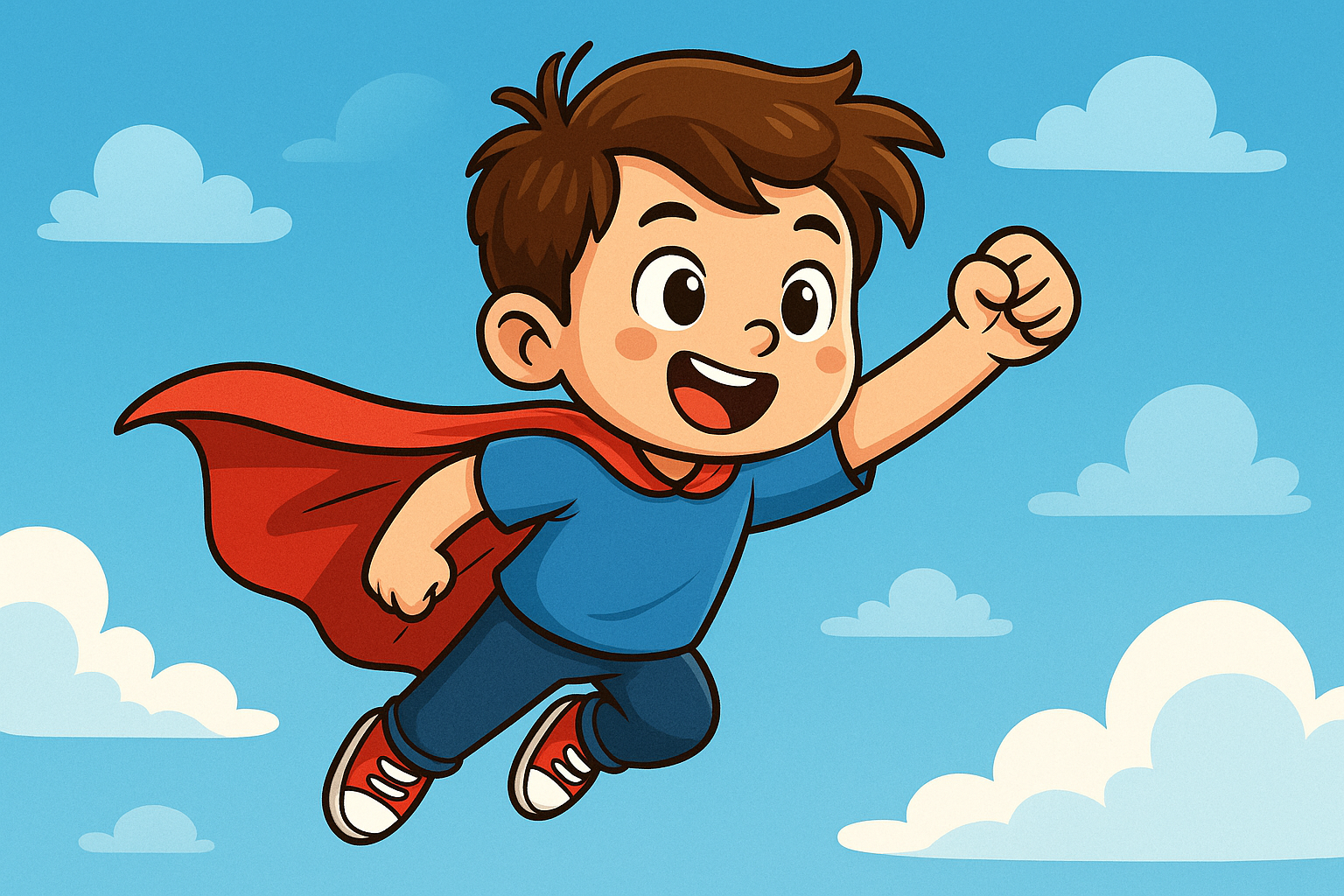
The focus keyword for this topic is superhero origins lesson plan, and this is more than just a look at colourful characters. It encourages your child to think critically about what makes someone heroic, how stories change over time, and why these figures continue to inspire millions. It’s ideal for learners who enjoy comics, stories, or history.
This structured lesson plan is designed for ages 8 to 16 and includes engaging discussion starters, mini-tasks, and a quiz. It also includes a printable version and space for deeper thinking. Even if you’re not a comic book expert, the supportive layout makes it easy to explore superhero origins alongside your child. By the end, they’ll understand how one 1938 character helped shape an entire genre that still thrives today.
This topic is part of our Info Zone collection. You can read the full topic, once logged in, here: Who Was the First Superhero Ever Created?
You’ll also find a full Lesson Plan and a handy Parent Q & A sheet, for this topic, ready to use..
[cl_logged_in]
[br][br]
Who Was the First Superhero Ever Created?
This lesson plan is designed to help you support your child with this topic: Who Was the First Superhero Ever Created?
[br][br]
Learning Objectives (What You’ll Learn Today)
- Understand how superhero origins began and who the first superhero was
- Explore the traits that define a superhero in stories and culture
- Compare early comic book heroes to modern characters
- Think critically about what makes someone a true hero
[br][br]
Estimated Time
60–90 minutes
[br][br]
Let’s Get Started
Ask your child: What do you think makes someone a superhero? Is it powers, personality, or something else?
[br][br]
The Main Lesson
1. What Is a Superhero?
Start by defining what a superhero actually is. While capes and powers are common, the key idea is someone who takes action beyond normal limits to help others. Most have a secret identity, unique costume, and a strong sense of justice.
Even characters without powers, like Batman, are still considered superheroes because of their role in protecting others and their extraordinary abilities or tools.
Mini-Task: Write down five traits that most superheroes share. Can you think of any heroes who break the mould?
[br][br]
2. Superhero Origins in Storytelling
Before comics, people told stories about mythical and legendary heroes. Think of Hercules, King Arthur, or Robin Hood. These characters helped shape the early idea of a hero, even though they weren’t called superheroes.
In the early 20th century, pulp magazines featured costumed vigilantes like Zorro and The Shadow. These were early examples of heroes with secret identities and clear missions.
Mini-Task: Ask your child to compare Hercules or Zorro to a superhero they know today. What’s similar? What’s different?
[br][br]
3. Superman: The First Comic Book Superhero
In 1938, Superman debuted in Action Comics #1. Created by Jerry Siegel and Joe Shuster, he had super strength, flight, and a dual identity. This was the moment superhero origins turned into a full-blown genre.
Superman was the first character to combine costume, powers, a secret identity, and a clear moral code—all the features of what we now call a superhero.
Mini-Task: Read a short comic or summary of Superman’s first story. What challenges did he face, and how did he solve them?
[br][br]
4. Other Early Superheroes
While Superman was the first fully formed superhero, others came close. The Phantom, who first appeared in 1936, wore a costume and fought crime. Mandrake the Magician and Zorro also had some superhero-like traits.
What sets Superman apart is the inclusion of real powers, a detailed backstory, and an instantly recognisable look that became the superhero template.
Mini-Task: Create a timeline showing the appearance of Zorro, The Phantom, and Superman. What trends do you notice?
[br][br]
5. Superheroes and Society
Superheroes often reflect the hopes and fears of the times. During World War II, heroes like Captain America symbolised bravery and patriotism. In modern stories, heroes deal with social issues, identity, and justice.
The superhero origins story continues to evolve with each generation, and that’s what makes it such a powerful storytelling tool for young readers.
Mini-Task: Ask: If you created a new superhero today, what issue would they stand for? Design a symbol for them.
[br][br]
Think and Discuss
- Why do you think superheroes became so popular in the 20th century?
- Can a hero be someone without powers? Why or why not?
- How do superhero stories help people learn about right and wrong?
[br][br]
Wrap-Up Summary
Superheroes have a rich history that begins with characters like Superman. Their stories reflect the world around them, and they continue to grow and change with each generation. By understanding their origins, we can see how one idea became a worldwide phenomenon.
[br][br]
Quiz
- What year did Superman first appear?
- a) 1929
- b) 1938
- c) 1945
- d) 1952
- Which hero came before Superman?
- a) Iron Man
- b) Batman
- c) The Phantom
- d) Spider-Man
- True or False: Zorro had superpowers.
- What is one key trait that defines a superhero?
- Who created Superman?
- What does a dual identity mean?
- What genre helped inspire superhero stories?
- Name one superhero who became popular during World War II.
- What kind of media helped spread superhero stories?
- True or False: All superheroes wear costumes.
[br][br]
Answers
1: b, 2: c, 3: False, 4: Any suitable trait like powers or justice, 5: Jerry Siegel and Joe Shuster, 6: Two separate identities (e.g. Clark Kent and Superman), 7: Pulp magazines, 8: Captain America, 9: Comics, radio, films, 10: False
[br][br]
Short Essay Prompt
Write a short essay, say 3 paragraphs explaining who the first superhero was, what made them different from earlier heroes, and how they changed storytelling.
[br][br]
Extra Learning
Choose a superhero your child likes. Ask them to research the character’s first appearance and how they’ve changed over time. Compare that character to Superman and discuss similarities and differences.
[br][br]
Final Reflection (What Did You Learn?)
Chat together: What surprised you the most about superhero origins? Why do you think these stories are still popular today?
[br][br]
[/cl_logged_in]
[cl_logged_out]
Members Only
You need to be registered and logged in to access this lesson plan and all other learning resources, games and quizzes.
[/cl_logged_out]