World War II: Meet the Man Who Led Britain to Victory! (Q&A)
Q & A - World War II: Meet the Man Who Led Britain to Victory!
Understanding big events like World War II can be difficult for children — especially when they ask questions about war, leadership, or politics. This Britain victory parent Q&A page helps you support your child by answering common questions clearly and confidently. It focuses on Winston Churchill, the man who led Britain through one of the darkest periods in its history.
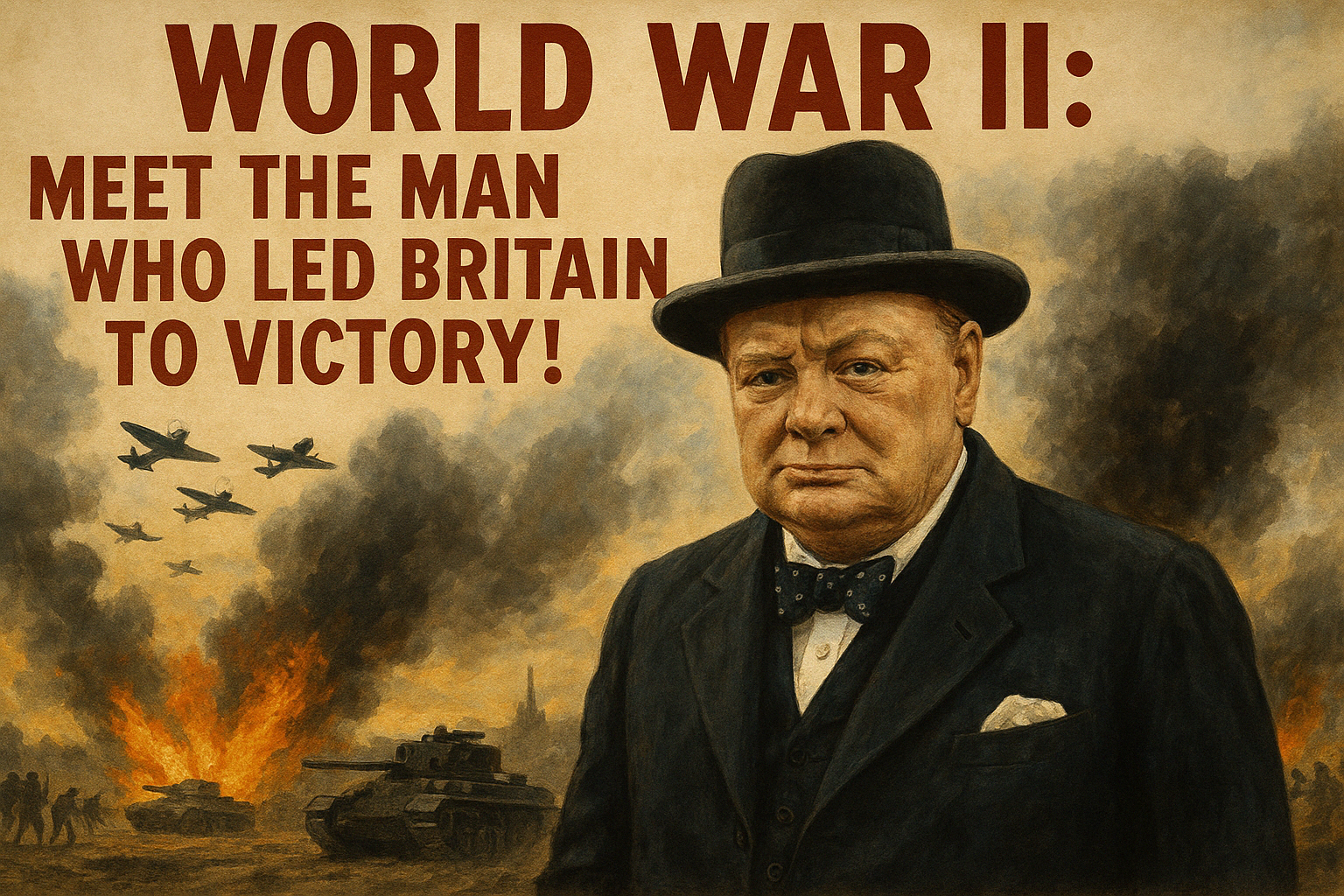
Churchill’s speeches, decisions, and determination were key to keeping people hopeful while facing invasion and destruction. This topic often leads to complex conversations at home — especially about what it means to be a strong leader, when to stand up to threats, and how individuals can shape world events.
That’s why we’ve created this Parent Q&A page — to give you simple but accurate answers to the kinds of things children aged 8–16 might ask. It’s designed for parents, not teachers, and uses plain English with practical examples. You’ll also find that some answers include real-life comparisons or helpful ways to explain tricky ideas.
If your child wants to dive deeper, we also offer a separate lesson plan that works well alongside this guide. But you can absolutely use this Q&A on its own — it’s ideal for everyday home learning.
This topic is part of our Info Zone collection. You can read the full topic, once logged in, here: World War II: Meet the Man Who Led Britain to Victory!
You’ll also find a full Lesson Plan and a handy Parent Q & A sheet, for this topic, ready to use..
[cl_logged_in]
Tip for Parents: Don’t worry if you’re not a history expert — this guide is designed to help you feel confident when your child has questions about Winston Churchill and Britain’s role in World War II.
Why is Churchill such a big deal in British history?
He’s remembered because he led Britain to victory during World War II. At a time when many feared defeat, Churchill’s courage, speeches, and refusal to surrender gave people hope.
[br][br]
What exactly did Churchill do during the war?
Churchill made tough decisions, gave inspiring speeches, and helped plan key military actions like D-Day. He worked with leaders from the USA and USSR to defeat Nazi Germany.
[br][br]
What made Churchill a good leader?
He was honest, brave, and knew how to use words to inspire. Even when things looked bad, he helped people believe they could keep going. That’s a big reason he’s called the man who led Britain to victory.
[br][br]
Did everyone like Churchill?
No — some people thought he was too harsh or old-fashioned. After the war, he actually lost an election! But most people still saw him as a hero because of how he handled the crisis.
[br][br]
How do we know Churchill was important?
He gave speeches that are still remembered today, like “We shall fight on the beaches”. He also won awards and is often voted one of the greatest Britons of all time.
[br][br]
Why did Britain need a new leader in 1940?
The Prime Minister before Churchill, Neville Chamberlain, lost people’s trust. Churchill took over because he was willing to stand up to Hitler and keep fighting.
[br][br]
What was Churchill’s biggest challenge?
Keeping the country united while it was being bombed. London and other cities were attacked almost every night, and people were scared. His speeches helped them stay strong.
[br][br]
Did Churchill fight in the war himself?
Not in World War II, but he had fought as a soldier when he was younger. During the war, his main job was leading the government and making big decisions.
[br][br]
Was Churchill always successful in his ideas?
No — some of his plans didn’t work out. But he learned from mistakes and kept trying. That’s part of why people respected him.
[br][br]
What was D-Day, and why was it important?
D-Day was a massive Allied invasion of France in 1944. It helped push German forces back. Churchill helped plan it, though he stayed in London during the attack.
[br][br]
Did Churchill work with other countries?
Yes. He worked closely with the USA (President Roosevelt) and the Soviet Union (Stalin). Together, they made a plan to defeat Hitler.
[br][br]
Why do children still learn about Churchill today?
Because he’s a symbol of leadership during hard times. His choices shaped the future, and learning about him helps us understand how important one person’s decisions can be.
[br][br]
Was Churchill perfect?
No. He had flaws — some of his views and decisions wouldn’t be accepted today. But during the war, many saw him as the right leader at the right time.
[br][br]
How can I explain Churchill’s speeches to my child?
Think of them like motivational pep talks. He used simple, powerful words that made people feel brave. You could compare it to a coach encouraging a team before a big match.
[br][br]
Why did Churchill lose the election after the war?
People wanted change and peace — they were tired of hardship. Even though he was a wartime hero, they wanted a new government to rebuild the country.
[br][br]
Final Question to Ask Your Child
Do you think it’s harder to be a good leader during peace or war? Why?
[br][br]
[/cl_logged_in]
[cl_logged_out]
Members Only
You need to be registered and logged in to access this Q and A sheet and all other learning resources, games and quizzes.
[/cl_logged_out]

