Puberty 101: What’s Happening to My Body?
Puberty 101: What’s Happening to My Body?
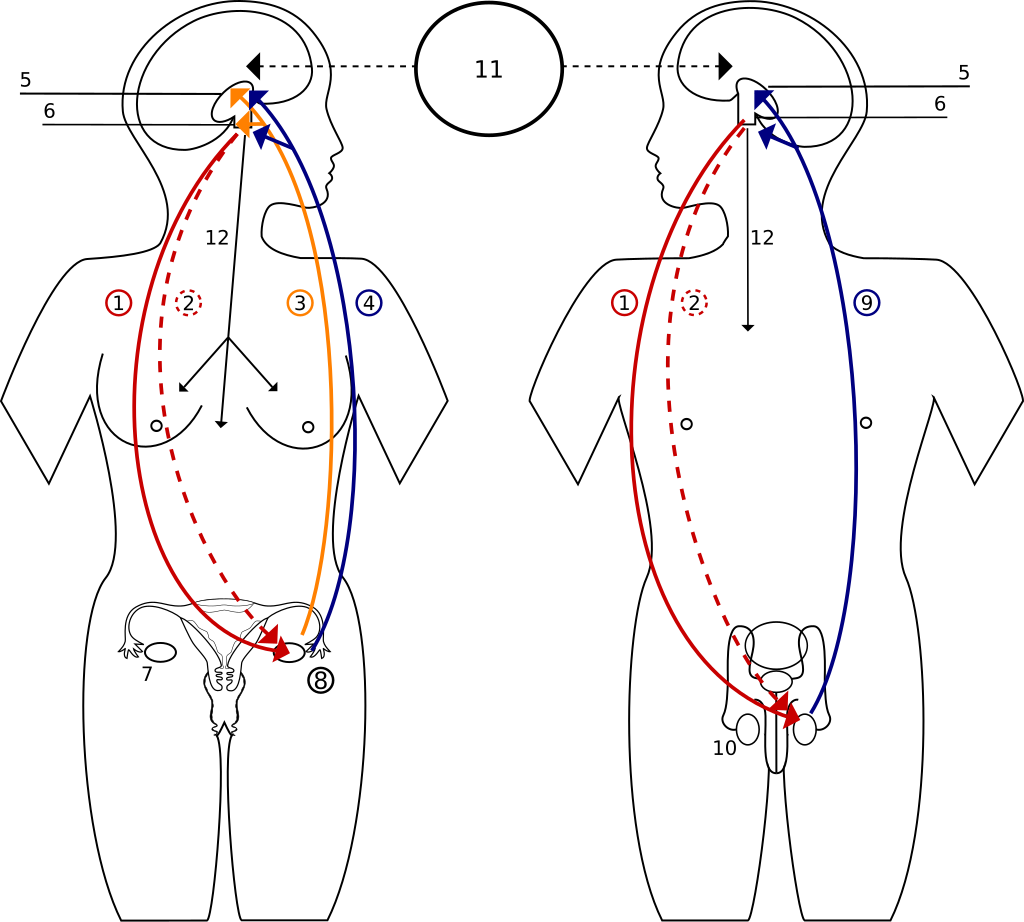
Puberty is the time when your body changes from a child’s to an adult’s, making you capable of reproduction.Girls usually start between ages 8 and 13, while boys begin between 9 and 14.These changes include growth spurts, development of sexual organs, and emotional shifts.
[cl_logged_in]
Puberty 101: What’s Happening to My Body?
Puberty is a natural phase in life when your body transforms from that of a child to an adult.This process prepares you for adulthood and enables you to reproduce in the future.Understanding these changes can make this transition smoother and less confusing.
When Does Puberty Start?
The onset of puberty varies for everyone.Typically, girls begin between the ages of 8 and 13, while boys start a bit later, between 9 and 14.It’s perfectly normal for some to start earlier or later than these age ranges.Everyone’s body has its own unique timeline.
Physical Changes in Girls
For girls, puberty brings several noticeable changes:
Breast Development:The first sign is often the growth of breast buds, small lumps under the nipples. Over time, breasts continue to grow and change shape.
Growth Spurts:Girls may experience rapid height increases, often before their first menstrual period.
Body Hair:Hair begins to grow in new places, such as under the arms and in the pubic area.
Menstruation:Commonly known as having periods, this marks the shedding of the uterine lining and is a key milestone in female puberty.
Physical Changes in Boys
Boys also undergo significant changes during puberty.
Growth of Testicles and Penis:One of the first signs is the enlargement of the testicles, followed by the growth of the penis.
Voice Changes:Boys’ voices become deeper due to the growth of the larynx, often causing a “cracking” sound during the transition.
Facial and Body Hair:Hair starts to appear on the face, chest, underarms, and in the pubic region.
Muscle Development:Increased muscle mass and broader shoulders are common as boys progress through puberty.
Emotional Changes
Alongside physical transformations, emotional changes are a significant part of puberty for both boys and girls:
Mood Swings:Hormonal fluctuations can lead to unexpected changes in mood.
Seeking Independence:A desire for more freedom and the development of personal identity become prominent.
Increased Self-Awareness:Teens may become more conscious of their appearance and how others perceive them.
Coping with Puberty
Navigating puberty can be challenging, but several strategies can help:
Education:Learning about the changes you’re experiencing can reduce anxiety and confusion.
Open Communication:Talking with trusted adults, such as parents, teachers, or counsellors, can provide support and guidance.
Healthy Lifestyle:Maintaining a balanced diet, regular exercise, and adequate sleep supports your body’s development.
Conclusion
Puberty is a natural and essential phase of life that everyone experiences.While it brings numerous changes, both physically and emotionally, understanding and accepting these transformations can make the journey smoother.Remember, it’s okay to seek support and ask questions during this time.
Learn More:
[/cl_logged_in]
[cl_logged_out]
Members Only
You need to be registered and logged in to access this learning resource and other member only content. It only costs £1.99
[/cl_logged_out]