Which Planet Is the Hottest in the Solar System?
Which Planet Is the Hottest in the Solar System?
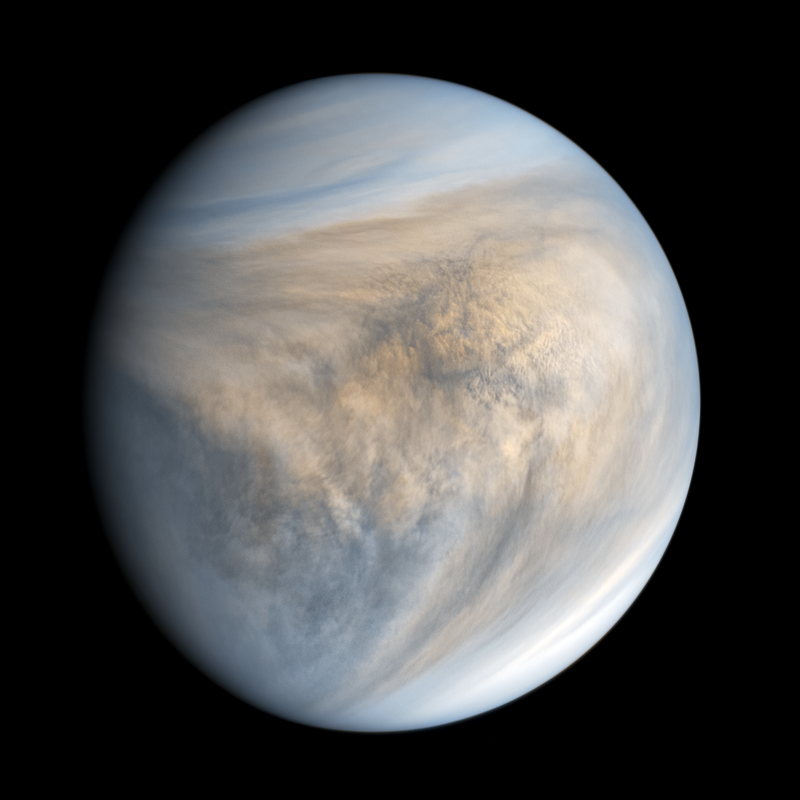
Venus, not Mercury, is the hottest planet in our solar system, with surface temperatures around 465°C (869°F).This intense heat is due to its thick atmosphere, which traps heat through a runaway greenhouse effect.
[cl_logged_in]
Which Planet Is the Hottest in the Solar System?
When thinking about the hottest planet in our solar system, many might assume it’s Mercury, being the closest to the Sun.Surprisingly, it’s Venus that takes the title of the hottest planet, even though it’s the second planet from the Sun.
Why Isn’t Mercury the Hottest?
Mercury, being nearest to the Sun, does experience extreme temperatures.However, because it lacks a significant atmosphere to trap heat, its temperatures can swing dramatically from scorching during the day to freezing at night.This absence of an insulating atmosphere prevents Mercury from retaining the Sun’s heat.
The Runaway Greenhouse Effect
Venus’s thick atmosphere is composed mainly of carbon dioxide, with clouds of sulfuric acid, creating a potent greenhouse effect.This effect traps heat, leading to consistently high temperatures across the planet’s surface, both day and night.The surface pressure on Venus is also about 92 times that of Earth’s, adding to the intense conditions.
A Consistent Heat
Unlike Mercury, which experiences temperature fluctuations, Venus maintains a nearly constant temperature across its entire surface.Whether it’s day or night, the temperature hovers around 465°C (869°F), making it a uniformly scorching environment.
Implications for Exploration
The extreme heat and pressure on Venus pose significant challenges for exploration.Spacecraft that have landed on Venus, like the Soviet Union’s Venera probes, survived only a few hours before succumbing to the harsh conditions.These factors make long-term exploration and potential colonization currently unfeasible.
Lessons from Venus
Studying Venus provides valuable insights into the effects of greenhouse gases and climate change.Understanding how Venus became so inhospitable can offer lessons on the importance of atmospheric composition and its impact on planetary climates, including our own Earth.
Conclusion
While Mercury is closest to the Sun, it’s Venus that holds the title of the hottest planet in our solar system.Its dense, carbon dioxide-rich atmosphere creates a runaway greenhouse effect, leading to extreme and consistent surface temperatures.This serves as a stark reminder of the powerful role atmospheres play in determining a planet’s climate.
Learn More:
[/cl_logged_in]
[cl_logged_out]
Members Only
You need to be registered and logged in to access this learning resource and other member only content. It only costs £1.99
[/cl_logged_out]