Hello Alan Lloyd - Your Scores - Logout

Why Is Gold So Valuable? (And What’s Its Symbol?)

Why Is Gold So Valuable? (And What’s Its Symbol?)

TL;DR: Gold is a rare, shiny metal that doesn’t tarnish, making it perfect for jewellery and coins. Its chemical symbol is “Au,” from the Latin word “aurum,” meaning “shining dawn.” People have valued gold for thousands of years because it’s beautiful, durable, and can be used as money.
Why Is Gold So Valuable? (And What’s Its Symbol?)

Have you ever wondered why gold is so special? Let’s dive into the world of this shiny metal and discover what makes it so valuable and learn about its unique symbol.

A Shiny Treasure

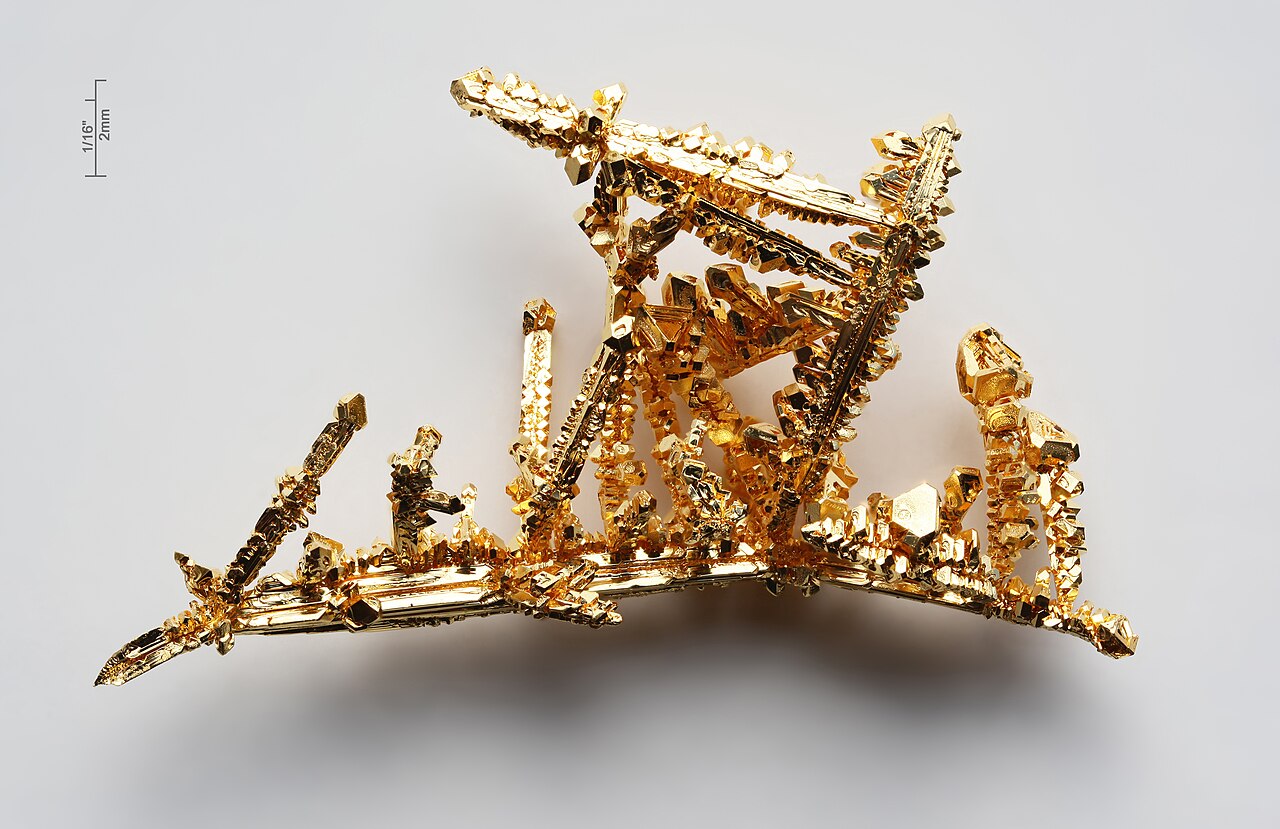
Gold is a bright, yellow metal that has attracted people for thousands of years. Its natural lustre and beauty make it stand out, and it doesn’t tarnish or rust over time. This means that gold items, like jewellery or coins, can last for centuries without losing their shine.

Rare but Not Too Rare

One reason gold is valuable is because it’s rare, but not impossible to find. Imagine if gold were as common as rocks; it wouldn’t be considered special. On the other hand, if it were so rare that hardly anyone could find it, people might not use it as money or in jewelry. Gold strikes the perfect balance, being uncommon enough to be precious but still accessible.

Easy to Shape

Gold is very malleable, which means it can be hammered or rolled into thin sheets without breaking. In fact, just one gram of gold can be beaten into a sheet covering about a square meter! This property allows artisans to craft intricate jewelry and decorative items, adding to its allure.

A Symbol of Wealth and Power

Throughout history, gold has been a symbol of wealth and power. Ancient civilizations, like the Egyptians and Romans, used gold to create coins, crowns, and statues. Because it doesn’t corrode, gold was seen as a symbol of immortality and perfection.

Gold’s Chemical Symbol: Au

Every chemical element has a unique symbol, usually derived from its name in English. However, gold’s symbol is “Au,” which comes from the Latin word “aurum,” meaning “shining dawn.” This name reflects gold’s radiant glow and timeless appeal.

Gold in Technology

Beyond its beauty, gold is an excellent conductor of electricity and doesn’t tarnish, making it useful in modern technology. Small amounts of gold are found in smartphones, computers, and even space satellites. Its reliability ensures that these devices function properly over long periods.

A Safe Haven for Investors

Gold is often called a “safe haven” investment. When economies face challenges or currencies lose value, people turn to gold to protect their wealth. This is because gold has maintained its value over centuries, unaffected by inflation or political changes.

Cultural Significance

Gold holds significant cultural value in many societies. It’s used in wedding rings, awards, and religious artifacts. For example, Olympic gold medals symbolize the highest achievement in sports, and many religious temples are adorned with gold to represent purity and devotion.

Environmental Impact

While gold is precious, mining it can have environmental consequences. Extracting gold requires moving large amounts of earth and can lead to deforestation and water pollution. Today, efforts are being made to mine gold responsibly and recycle existing gold to minimize environmental harm.

Gold’s Lasting Legacy

Gold’s unique properties—its beauty, rarity, durability, and versatility—have ensured its place in human history and culture. Whether worn as jewellery, used in technology, or held as an investment, gold continues to captivate and hold significant value in our lives.

Learn More:


Leave a comment

'; // Add header content for print html += '

Lenara Learning

Get more learning resources at www.lenara.uk

'; // Insert the worksheet content html += '
' + content + '
'; html += ''; printWindow.document.write(html); printWindow.document.close(); printWindow.focus(); // Trigger printing and auto-close the popup printWindow.print(); printWindow.onafterprint = function() { printWindow.close(); }; setTimeout(function() { printWindow.close(); }, 1500); }