Hello Alan Lloyd - Your Scores - Logout

Who Created the World’s First Car?

Who Created the World’s First Car?

The world’s first car was created by a clever German inventor named Karl Benz in 1885. It looked more like a tricycle with an engine than a modern car. His invention changed the way people travelled forever. It sparked a transportation revolution that keeps evolving even today.
Who Created the World’s First Car?
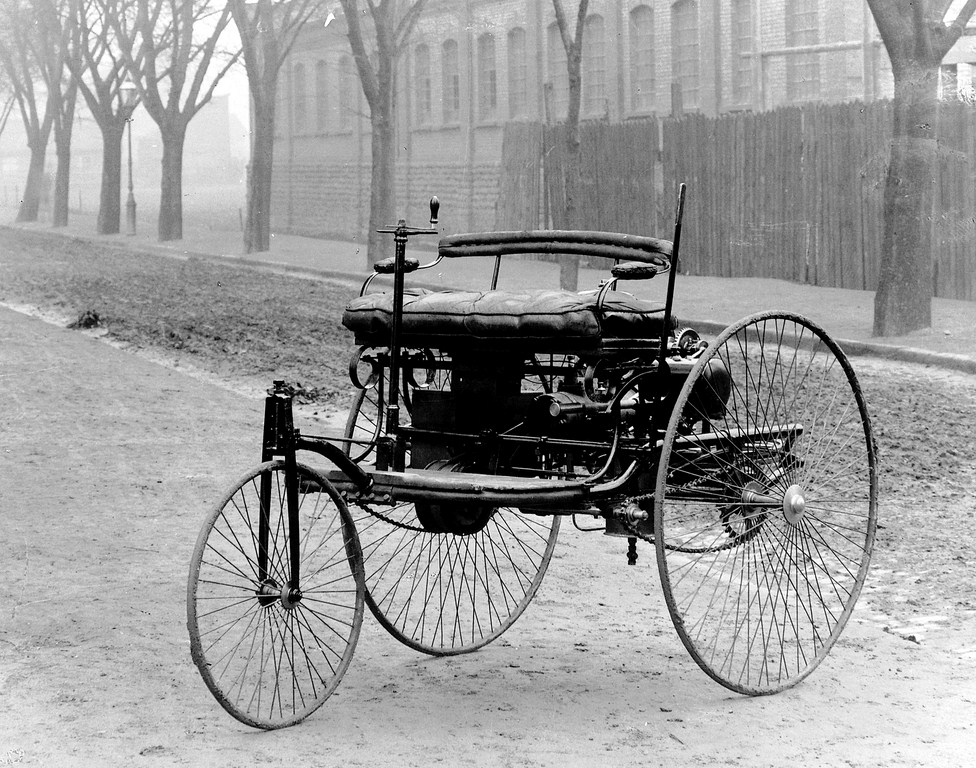
Benz Patent-Motorwagen

The Age Before Cars

Long before cars filled roads, people travelled using horses, carriages, and their own two feet. Getting from one place to another could take hours, days, or even weeks. Imagine walking to school for three hours every morning! Roads were bumpy, muddy, and dusty, and only the rich could afford carriages. Most people had to walk, cycle, or rely on animals to pull them around. Towns were quieter, but journeys were slow and tiring.

The idea of a machine that could move by itself seemed like something out of a science-fiction story. But inventors were already dreaming big. Steam engines were powering trains, so why not build something smaller for everyday use? That’s when clever minds started tinkering. They believed there had to be a better way to travel without feeding hay to a horse.


Meet Karl Benz

Karl Benz was born in Germany in 1844 and had a deep love for mechanics from a young age. He loved building machines and solving problems, and by the time he was in his 40s, he was ready to change the world. Karl wanted to create a vehicle that didn’t need horses or tracks.

He imagined something light, fast, and powered by a petrol engine. Sounds simple now, but back then, it was revolutionary! People laughed at the idea of a “horseless carriage.” But Karl didn’t give up. He spent years designing, testing, and perfecting his invention. In 1885, he finally built it — the world’s first car, the Benz Patent-Motorwagen.


What Did the First Car Look Like?

The Benz Patent-Motorwagen didn’t look anything like cars we see today. It had three wheels instead of four, a wooden frame, and thin metal tyres. It could only carry two people, and it had no roof, no seat belts, and no windscreen.

The engine sat at the back, making a loud clattering sound. It had just one cylinder and produced about 0.75 horsepower — that’s less than some lawnmowers today! The car could travel at around 10 miles per hour, which was incredibly fast compared to walking. Despite its odd look, it was a working motor vehicle that didn’t need a horse to pull it. That made it something very special.


Bertha Benz: The First Road Trip Hero

Even though Karl built the car, it was his wife Bertha Benz who really put it on the map. In 1888, without telling Karl, she took their car on a 66-mile journey with her two sons. She wanted to prove it could handle long trips and be useful to everyday people. Along the way, she stopped at a pharmacy to buy fuel, fixed the car with a hairpin, and even cleaned a fuel pipe with her hat pin!

Her journey was a success, and news of the incredible machine spread quickly. People were amazed that a car could actually work on public roads. Bertha’s adventure made her the world’s first long-distance driver — and the car’s best salesperson.


Why Was the Invention So Important?

The invention of the first car changed everything. Suddenly, people dreamed of faster travel, road trips, and personal freedom. Towns and cities had to build roads and petrol stations. New jobs were created in car manufacturing and repairs. Other inventors got inspired and started improving on Karl’s design.

Soon, cars had four wheels, better engines, and more comfort. The idea of travelling far and wide became something anyone could hope to do. The car wasn’t just a machine — it was a revolution on wheels. It connected people, opened new business opportunities, and helped shape the modern world.


The Rise of Other Car Makers

After Karl Benz, more inventors joined the race. In France, Peugeot started building cars. In the USA, Henry Ford made the car affordable for the masses with his famous Model T in 1908. Ford’s clever assembly line system meant cars could be built quickly and cheaply.

This helped turn the car from a rich person’s toy into something ordinary people could buy. Competition grew, and the car industry exploded. New designs, colours, and features rolled out every year. The world was on the move, and there was no turning back.


Were There Other “First” Cars?

Although Karl Benz is credited with the first car, others had similar ideas around the same time. Some tried steam-powered vehicles, others used electric motors. But Karl’s petrol-powered car was the most successful and practical at the time.

His design became the model for most cars that followed. Even today, many cars still work in a similar way to Karl’s original invention, just with more advanced parts and high-tech gadgets. So while he wasn’t the only one building vehicles, Karl Benz’s car is considered the true first.


How Did People React?

At first, many people were frightened by the car. It made strange noises and seemed dangerous. Horses got scared, and people thought it was a passing trend. Some towns even banned them! But curiosity grew, and soon everyone wanted to see the car in action.

Children would chase it, shouting in excitement. People couldn’t believe you could drive without reins or saddles. As more people saw it working, fear turned to fascination. The idea of going wherever you wanted, whenever you wanted, was just too tempting to ignore.


Cars Become Safer and Smarter

As time went on, cars became safer. Engineers added brakes, gears, headlights, and windshields. Seatbelts and airbags were invented to protect passengers. Roads improved, and traffic rules were created. Now, we have electric cars, hybrid engines, and even self-driving vehicles.

But it all started with a three-wheeled wooden car that rattled along at walking speed. Each improvement made driving more comfortable and less risky. Today’s cars are like rolling computers compared to the original Motorwagen.


Did the First Car Pollute the Air?

Yes, even the first petrol car created smoke and pollution. It wasn’t much, but it was the beginning of a new problem. As more cars filled the roads, air pollution became a serious issue. That’s why many modern cars are now electric or hybrid.

They use cleaner energy and produce less pollution. Some cities are banning older cars to keep the air fresh. The good news is that inventors are still working to make cars cleaner and greener. It’s the next step in the car’s long journey.


What Happened to Karl Benz?

Karl Benz lived to see his invention become a global success. In 1926, his company merged with another to form Mercedes-Benz, which still builds cars today. He died in 1929, proud of the legacy he left behind.

His name is now famous around the world, not just as the creator of the first car, but as a pioneer of modern transport. His dream to move people more easily came true in ways he could never have imagined.


Fun Fact: The World’s Oldest Working Car

One of the original Motorwagens still exists and is displayed in museums. It can still be driven — carefully! It’s considered one of the most valuable vehicles in history.

People travel from all over the world just to see it in person. It’s a reminder of how one idea can change the world forever. And yes, it still makes that clattering sound!


Would You Ride in It Today?

Imagine taking a ride in Karl Benz’s first car. You’d need goggles for the wind, and you’d have to shout over the engine! It wouldn’t be comfy, but it would be unforgettable. Riding in it would be like stepping into a time machine. You’d feel the excitement, the bumps, and the beginning of a transport revolution. It might not have WiFi or cup holders, but it has history in every bolt.


Cars Keep Changing

From horses to horsepower, we’ve come a long way. The car has become more than just transport — it’s part of daily life. People personalise their cars, go on holidays, or race them on tracks. Some are tiny and electric; others are huge and luxurious.

The future might bring flying cars or ones that drive themselves entirely. But no matter what the future holds, it all started with one brilliant invention in 1885. The world’s first car by Karl Benz changed everything, and it keeps on rolling.


What Do You Remember?

  1. Who invented the world’s first petrol-powered car?

  2. What was the name of Karl Benz’s invention?

  3. Why is Bertha Benz important in car history?

  4. How did people first react to cars?

  5. What are some improvements made to cars over time?

Write your answers in the comment section below.


Related Topics

If you enjoyed learning about the world’s first car, you might be curious about other amazing inventions and how they changed the world. You could read about the invention of trains, the history of roads, or how electricity made electric cars possible. These topics show how one great idea leads to another.


Learn more:

https://en.wikipedia.org/wiki/Karl_Benz
https://en.wikipedia.org/wiki/Benz_Patent-Motorwagen


What Do You Think?

If you found this to be an interesting topic, why not have your say. Or if you can think of ways we could improve it. We would love to know what you learned and more importantly, what you think. So now is your chance, use the comments section below to let us know your thoughts.


Leave a comment


'; // Add header content for print html += '

Lenara Learning

Get more learning resources at www.lenara.uk

'; // Insert the worksheet content html += '
' + content + '
'; html += ''; printWindow.document.write(html); printWindow.document.close(); printWindow.focus(); // Trigger printing and auto-close the popup printWindow.print(); printWindow.onafterprint = function() { printWindow.close(); }; setTimeout(function() { printWindow.close(); }, 1500); }