Hello Alan Lloyd - Your Scores - Logout

Why Are Bees So Important for Our Planet?

Why Are Bees So Important for Our Planet?

Bees help plants grow by spreading pollen, which is how flowers, fruits, and vegetables are made. Without bees, many of the foods we eat wouldn’t exist. Bees also help keep wild habitats alive and support the entire food chain. Their tiny wings make a massive difference to the Earth!

Why Are Bees So Important for Our Planet?
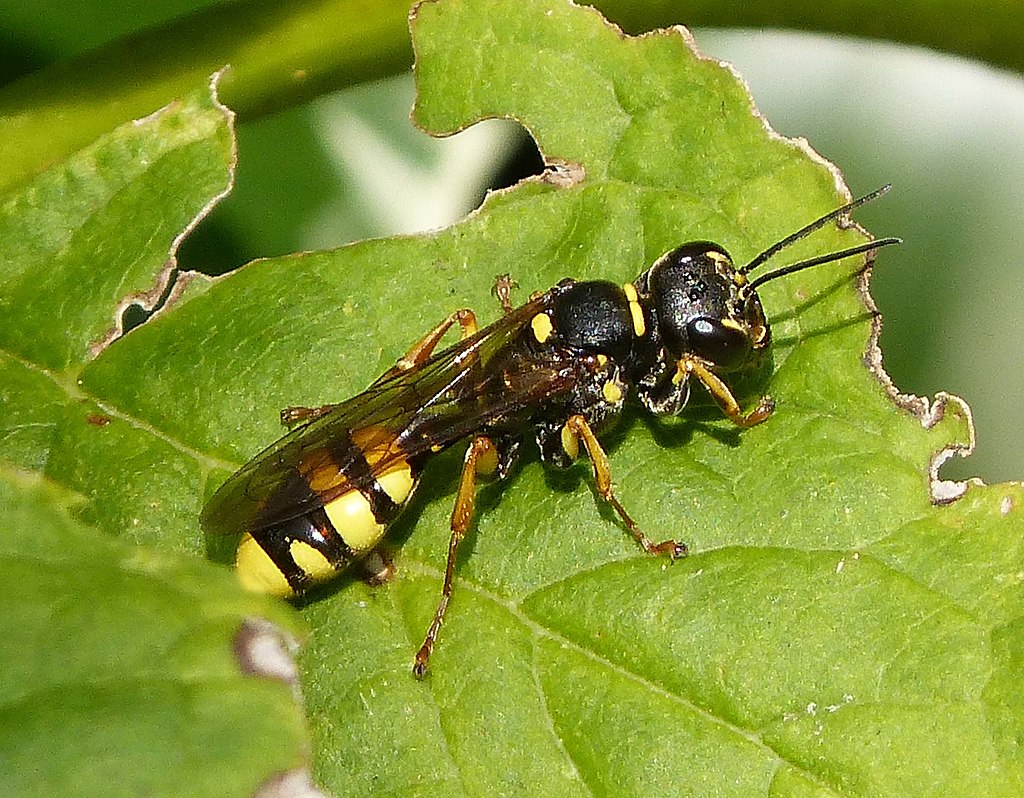
By gailhampshire from Cradley

Busy Bees: Nature’s Little Workers

Bees may be small, but they have one of the most important jobs on Earth—pollination. When bees visit flowers to collect nectar, they carry pollen from one flower to another. This helps plants make seeds and grow new plants. Without this process, many fruits and vegetables would never grow.

Apples, strawberries, cucumbers, and even almonds rely on bees. Farmers count on these buzzy helpers to keep their crops going. It’s not just food, either. Bees help wild plants grow, too, which animals and insects depend on for food and shelter. So, bees help feed both people and wildlife! That’s a lot of responsibility for something smaller than your thumb.


How Does Pollination Work?

Pollination sounds complicated, but it’s really just plant teamwork with a little help from bees. Flowers produce pollen, a yellow powder, which needs to get from one flower to another. Bees come along looking for nectar, a sweet liquid inside the flower. As they sip the nectar, pollen sticks to their bodies like glitter at a party.

When they buzz off to the next flower, some of the pollen rubs off. That pollen swap helps the plant create seeds and fruit. Without bees, this wouldn’t happen nearly as often. Sure, the wind and some other insects help, but bees are the champions of pollination. You could say they’re the MVPs—Most Valuable Pollinators!


Food Glorious Food (Thanks to Bees!)

Next time you bite into an apple or munch on a blueberry, thank a bee. Bees help grow over a third of the food we eat. Imagine a world without strawberries, pumpkins, or tomatoes—sounds like a nightmare, right? Not just fruit, but things like coffee and chocolate also rely on pollination from bees or similar creatures.

Even animals like cows depend on bee-pollinated plants to eat. That means without bees, your cheeseburger could be in danger. Now that’s serious! So, bees help your plate stay full and colourful.


Bees Help More Than Just Farms

Bees don’t only work on farms. Wildflowers in forests, meadows, and parks also need bees. These flowers feed birds, butterflies, and lots of tiny insects. Bees help keep nature in balance by making sure plants grow in wild places. That means bees help create homes for bugs, birds, and even frogs.

Without bees, these habitats could shrink or disappear. Then the animals that rely on them would struggle too. One tiny bee visit to a flower can help keep an entire habitat buzzing with life. That’s like one small act making a big difference—kind of like when you tidy your room without being asked!


Different Bees, Different Jobs

Not all bees are the same. Some live in big hives like honeybees, while others, like bumblebees, live in smaller colonies. There are even solitary bees who live alone and mind their own business. Each type of bee plays a role in pollination.

Some bees are better at certain flowers, and others are early risers that visit plants first thing in the morning. That variety helps more plants get pollinated. It’s like having a team of superheroes, each with a special skill. And no, they don’t wear capes—but a stripy body is pretty cool!


Bees Make More Than Honey

Most people think bees are only good for making honey. Sure, honey is tasty and sweet, but bees give us so much more. Beeswax is used in lip balm, candles, and even crayons. Some medicines use bee products, too.

But even if bees didn’t make honey, we’d still need them for their pollination powers. Honey is just the cherry on top (which, by the way, also needs bees to grow). So yes, bees are busy in more ways than one. And they don’t even ask for a thank-you!


Bee in Trouble: Why Bees Are Dying

Here’s the worrying part: bees are in trouble. Their numbers are going down, and that’s bad news for plants, animals, and us. Pesticides (chemicals used to kill pests), pollution, climate change, and loss of habitats are some of the big reasons.

Bees are sensitive creatures, and even small changes in their environment can cause big problems. If we don’t help bees now, it could mean big problems for food and nature in the future. Think of it like losing all the batteries that power your favourite toy—everything just stops working.


Bee-fore It’s Too Late

The good news is we can help! Planting flowers that bees love is a great start. Wildflowers, lavender, and sunflowers are perfect. You can also leave a little patch of your garden wild and messy—bees love it!

Avoid using harmful pesticides, and support local honey makers who care for bees properly. Every small action can add up to a big difference. Imagine if every garden had just five bee-friendly plants—bees would have a feast! Bees need us, and we definitely need them.


A Day in the Life of a Bee

Bees don’t just buzz about randomly—they have a plan. A worker bee starts her day looking for flowers. Once she finds a good patch, she flies back to her hive and does a waggle dance. Yes, really! The dance shows the other bees where to go.

Then the whole team heads out to gather nectar and pollen. After a long day of flying, collecting, and dancing, they return to the hive to make honey and rest. All that flying is tiring, especially with tiny wings flapping over 200 times per second! No wonder bees sleep at night just like us.


Bees Are Brilliant at Maths

Believe it or not, bees are clever. They can count, recognise shapes, and even learn patterns. Scientists have tested bees and found they can be trained to tell the difference between numbers.

One bee even recognised a human face (though we’re not sure what it thought!). Their brains may be small, but they’re super powerful. It’s like having a tiny genius flying around your garden. So next time you see a bee, don’t swat it—say, “Hello, little Einstein!”


Not All Buzz is Bee Buzz

Sometimes, people confuse bees with wasps or hornets. Wasps can sting multiple times and are more aggressive, especially around your sandwich. Bees usually only sting when they feel threatened, and they die after stinging, so they avoid it.

Bees are more focused on flowers than your fizzy drink. If a bee lands on you, it’s probably just resting. Stay calm, and it’ll fly away. And no, they’re not planning to take over the world—just looking for pollen.


Bee-lieve in Superpowers

Bees have some wild superpowers. They can see ultraviolet light, which humans can’t. This helps them spot patterns on flowers that guide them to nectar.

Some bees can even sense electric fields, which helps them find the best flowers. They use their wings to cool the hive by fanning it like tiny air conditioners. With all these skills, bees could probably join the Avengers—if the Avengers liked honey.


Honeycomb Homes

Have you ever seen a honeycomb? Those perfect hexagons are more than just pretty shapes. Bees build honeycombs to store honey and pollen and raise their young.

The hexagon shape is super strong and saves space and wax. It’s so clever that humans use it in designs for rockets and buildings. Bees figured it out millions of years ago. Maybe we should be taking notes from them!


Why Are Bees So Important for Our Planet?

Bees are more than just insects. They’re tiny heroes that keep our world running. From pollinating food to supporting wildlife and ecosystems, their work is everywhere—even if we don’t always notice it. Without bees, we’d lose so many of the things we love.

That’s why it’s so important to protect them. So the next time you hear a gentle buzz, remember—it might just be the sound of our planet staying alive. Bee kind, bee caring, and bee-lieve in making a difference.


What Do You Remember?

  1. What do bees do when they visit flowers?

  2. Why are bees important for the food we eat?

  3. What are some things causing bee populations to decline?

  4. How can people help save bees in their gardens?

  5. What shape do bees use to build their honeycombs?


Related Topics

If you enjoyed learning about bees, you might also want to explore other creatures that help our environment. Discover how butterflies, bats, and beetles help plants grow too. Or dive into how pollination works and why biodiversity is so important. There’s a whole world of nature waiting to be explored!

Learn More

https://en.wikipedia.org/wiki/Bee
https://en.wikipedia.org/wiki/Pollination


What Do You Think?

If you found this to be an interesting topic, why not have your say. Or if you can think of ways we could improve it. We would love to know what you learned and more importantly, what you think. So now is your chance, use the comments section below to let us know your thoughts.


Leave a comment

'; // Add header content for print html += '

Lenara Learning

Get more learning resources at www.lenara.uk

'; // Insert the worksheet content html += '
' + content + '
'; html += ''; printWindow.document.write(html); printWindow.document.close(); printWindow.focus(); // Trigger printing and auto-close the popup printWindow.print(); printWindow.onafterprint = function() { printWindow.close(); }; setTimeout(function() { printWindow.close(); }, 1500); }