How to Master Fractions in a Fraction of the Time
Fractions are just parts of a whole, and once you learn a few tricks, they become much easier to understand. This topic will guide you through how to add, subtract, multiply, and divide fractions with ease. We’ll also explore tips, jokes, and real-life examples to make learning fractions quick and clear. By the end, you’ll be mastering fractions in a fraction of the time!
What Are Fractions?
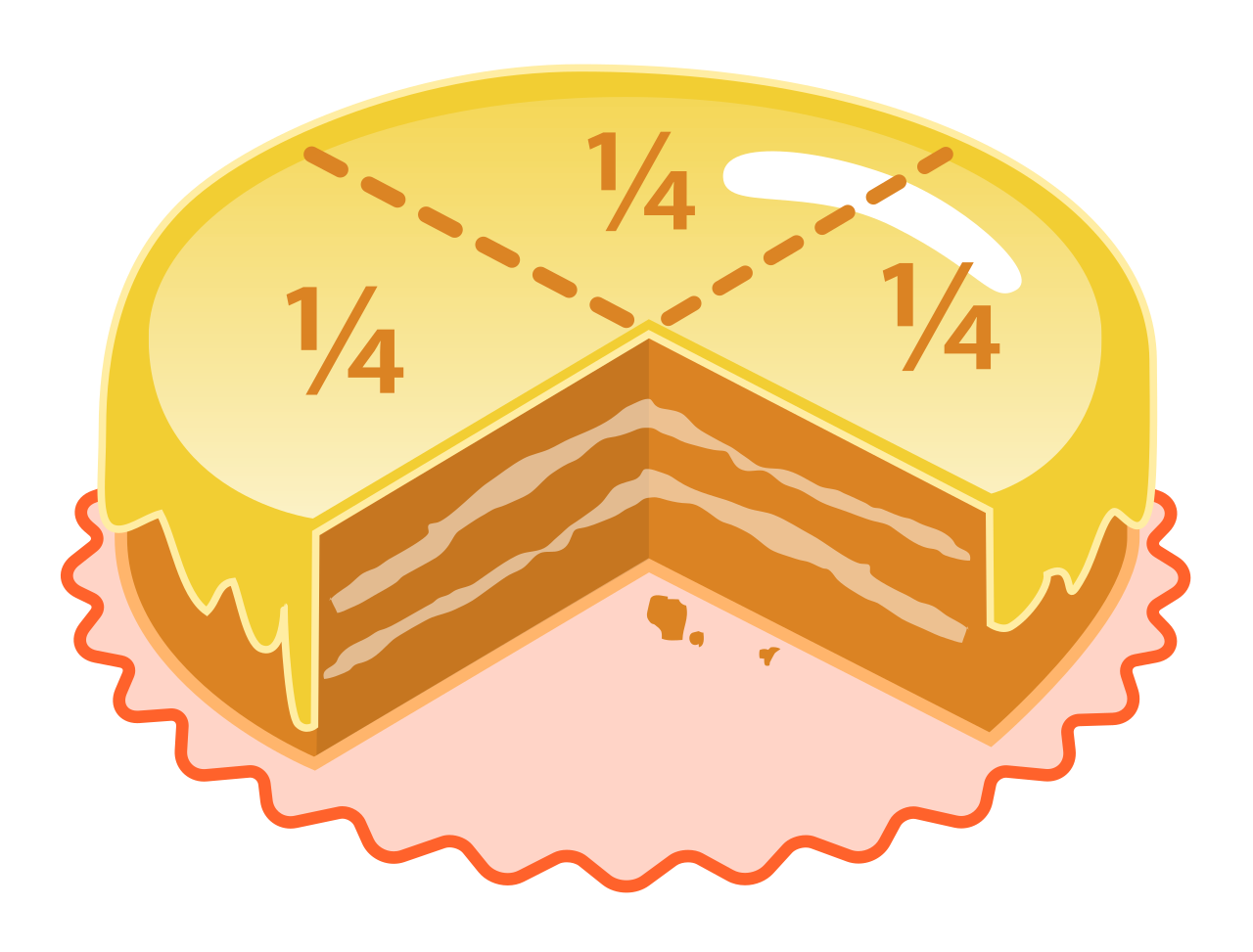
Fractions are numbers that represent part of a whole. Imagine sharing a pizza with your friend – if you each get half, you’ve just used a fraction! A fraction has two parts: the top number is the numerator (how many parts you have), and the bottom number is the denominator (how many equal parts the whole is divided into).
Fractions can look tricky, but they’re just another way of showing a number. They help us when dividing things evenly, measuring, and working with money or recipes. Knowing how to use them can make life a lot easier.
You’ll see fractions in school, sports scores, and even when cutting a cake. Once you understand the parts of a fraction, you’ll see them everywhere. Let’s dive deeper and learn how to work with them properly. And remember – fractions are nothing to fear!
Making Sense of Proper and Improper Fractions
There are three main types of fractions: proper, improper, and mixed numbers. A proper fraction is when the numerator is smaller than the denominator, like 3/4.
An improper fraction is when the numerator is equal to or greater than the denominator, like 5/4 or 8/8.
Mixed numbers are a combination of a whole number and a proper fraction, like 1 1/2. These types help us understand how much of something we have.
For example, 7/3 means you have more than two whole parts, because three-thirds make one whole. Understanding which type of fraction you’re dealing with can help you solve problems more easily.
Always check the top and bottom numbers before deciding what to do next. It’s a bit like sorting your socks – things go smoother when you know what you’ve got.
Simplifying Fractions Without a Fuss
Sometimes fractions look complicated, but you can simplify them. Simplifying means making the fraction as small as possible without changing its value.
To do this, divide the top and bottom numbers by the same number – this number must divide into both evenly. For example, 4/8 can be simplified to 1/2 by dividing both numbers by 4. It’s like tidying your room – the stuff is still there, just neater.
The more you practise simplifying, the quicker you’ll spot ways to make fractions smaller. Look out for numbers that go into both the numerator and denominator.
A handy tip is to use your times tables knowledge to find the biggest number that works for both parts. Keep doing it until you can’t go any further!
Adding Fractions with the Same and Different Denominators
Adding fractions is easy when the denominators are the same. Just add the numerators and keep the denominator the same. So 1/5 + 2/5 = 3/5. But when the denominators are different, it’s trickier.
You need to find a common denominator – a number that both denominators can go into. This is often the lowest common multiple. Once you have the same denominator for both, add the numerators like normal.
For example, 1/3 + 1/6 becomes 2/6 + 1/6 = 3/6, which simplifies to 1/2. Remember to simplify at the end if you can. Think of it like combining pieces from two jigsaw puzzles – they need to fit together first.
Subtracting Fractions – It’s Not So Scary!
Subtracting fractions works just like adding them. If the denominators are the same, just subtract the numerators. For example, 5/8 – 3/8 = 2/8, which simplifies to 1/4.
When the denominators are different, you’ll need to find a common denominator first. Change both fractions so the bottoms match, then subtract the top numbers.
Always check if your answer can be simplified at the end. It’s just like borrowing something from a friend and giving it back – make sure everything matches up before you subtract.
Multiplying Fractions the Easy Way
Multiplying fractions is surprisingly simple. Just multiply the top numbers together and the bottom numbers together. So 2/3 × 3/4 = 6/12, which simplifies to 1/2.
You don’t need a common denominator for multiplying – just multiply straight across. Before you multiply, check if anything can be simplified.
This makes the maths easier and your answers neater. It’s a bit like stacking Lego blocks – the pieces just go together without fuss. Easy peasy!
Dividing Fractions – Flip and Multiply
Dividing fractions might sound tricky, but it’s actually quite fun. First, flip the second fraction (this is called taking the reciprocal), then multiply.
For example, 1/2 ÷ 2/3 becomes 1/2 × 3/2 = 3/4. Just remember: keep the first fraction, flip the second, and multiply. It’s a quick trick that always works.
Think of it as a secret move in a video game – once you know it, you’re ready for anything!
Fractions and Decimals – Best Friends Forever
Fractions and decimals are just two ways of showing the same thing. You can turn a fraction into a decimal by dividing the top number by the bottom.
For example, 1/4 = 0.25. Some decimals end neatly, while others go on forever (called recurring decimals).
Knowing how to swap between the two helps with money, shopping, and even coding. So, when your friend says “0.5,” you’ll know they mean “1/2.” It’s like learning two languages that mean the same thing.
Using Fractions in Real Life
Fractions pop up everywhere in daily life. Whether you’re baking, building, or buying sweets, you’re probably using fractions without even knowing it. Recipes use fractions to measure ingredients, while time and distance often involve halves and quarters.
Even music notes are based on fractions! Learning how to use them helps you understand the world better. So, the next time you split a pizza or share sweets, you’re actually doing maths – how clever is that?
Top Tips for Remembering Fraction Rules
To master fractions, use these handy tricks: always simplify if you can, keep practising your times tables, and remember the flip-and-multiply rule for division.
Draw pictures if it helps – like cutting up a cake or slicing a chocolate bar. Practice with things around you. Use flashcards or online games to keep it fun.
Ask someone to quiz you – or even better, teach someone else. That’s a great way to check you understand something.
Common Mistakes and How to Avoid Them
It’s easy to get muddled with fractions, especially when you’re rushing. A common mistake is adding or subtracting without checking the denominators match.
Or forgetting to flip the second fraction in division. Always slow down and check your work. Keep a note of the steps for each type of question.
Practise regularly so you don’t forget. Mistakes are part of learning – even maths teachers get them wrong sometimes!
Why Fractions Are Worth Learning
Fractions might seem annoying, but they’re actually really useful. They help you be more accurate, solve tricky problems, and spot patterns in numbers.
Understanding fractions can boost your confidence and even help in subjects like science and geography. Plus, many jobs use fractions – from chefs to engineers.
So by learning fractions now, you’re building skills for the future. And who knows, you might even end up enjoying them!
How to Practise Without Getting Bored
Try mixing up how you learn. Use colourful diagrams, online games, or fun worksheets. Make up fraction challenges with your friends. Try baking something and measuring ingredients with fractions.
Or create a fraction treasure hunt around your house! The more you practise, the better you’ll get. Don’t give up if it seems hard – maths takes time, and you’re doing great just by trying.
A Joke That Actually Adds Up
Want a maths joke that works with fractions? Here it is:
Why was the fraction worried about marrying the decimal?
Because it would have to convert!
Silly, but it might help you remember that fractions and decimals are linked. Little jokes like this can help the rules stick in your brain – and give you a giggle too.
Final Word – You’ve Got This!
Fractions are just part of the maths puzzle. Once you know the tricks, they stop being scary and start making sense. You’ve now learned how to spot different types of fractions, how to add, subtract, multiply, and divide them, and how to simplify and switch between fractions and decimals.
Keep practising, stay patient, and don’t forget – mistakes are just proof that you’re learning. You really can master fractions in a fraction of the time!
What Do You Remember?
What’s the difference between a proper and improper fraction?
How do you simplify a fraction like 4/8?
What’s the rule for dividing fractions?
When do you need a common denominator?
How can you change a fraction into a decimal?
Write your answers in the comment section below.
Related Topics
If you enjoyed learning about fractions, you might also want to explore other maths topics like percentages, decimals, and ratios. These are all connected and make numbers easier to understand. You could also look at how fractions are used in science and music. There’s a whole world of numbers out there to explore!
Learn more:
https://en.wikipedia.org/wiki/Fraction_(mathematics)
https://en.wikipedia.org/wiki/Decimal
What Do You Think?
If you found this to be an interesting topic, why not have your say. Or if you can think of ways we could improve it. We would love to know what you learned and more importantly, what you think. So now is your chance, use the comments section below to let us know your thoughts.

