Was It Actually Dark During The Dark Ages?
The Dark Ages weren’t as dark as people think. While there were some tough times, people still built amazing buildings, made scientific discoveries, and created beautiful art. The term “Dark Ages” is a bit unfair and doesn’t reflect everything that happened during that period. Let’s explore what life was really like and why it got that gloomy nickname.
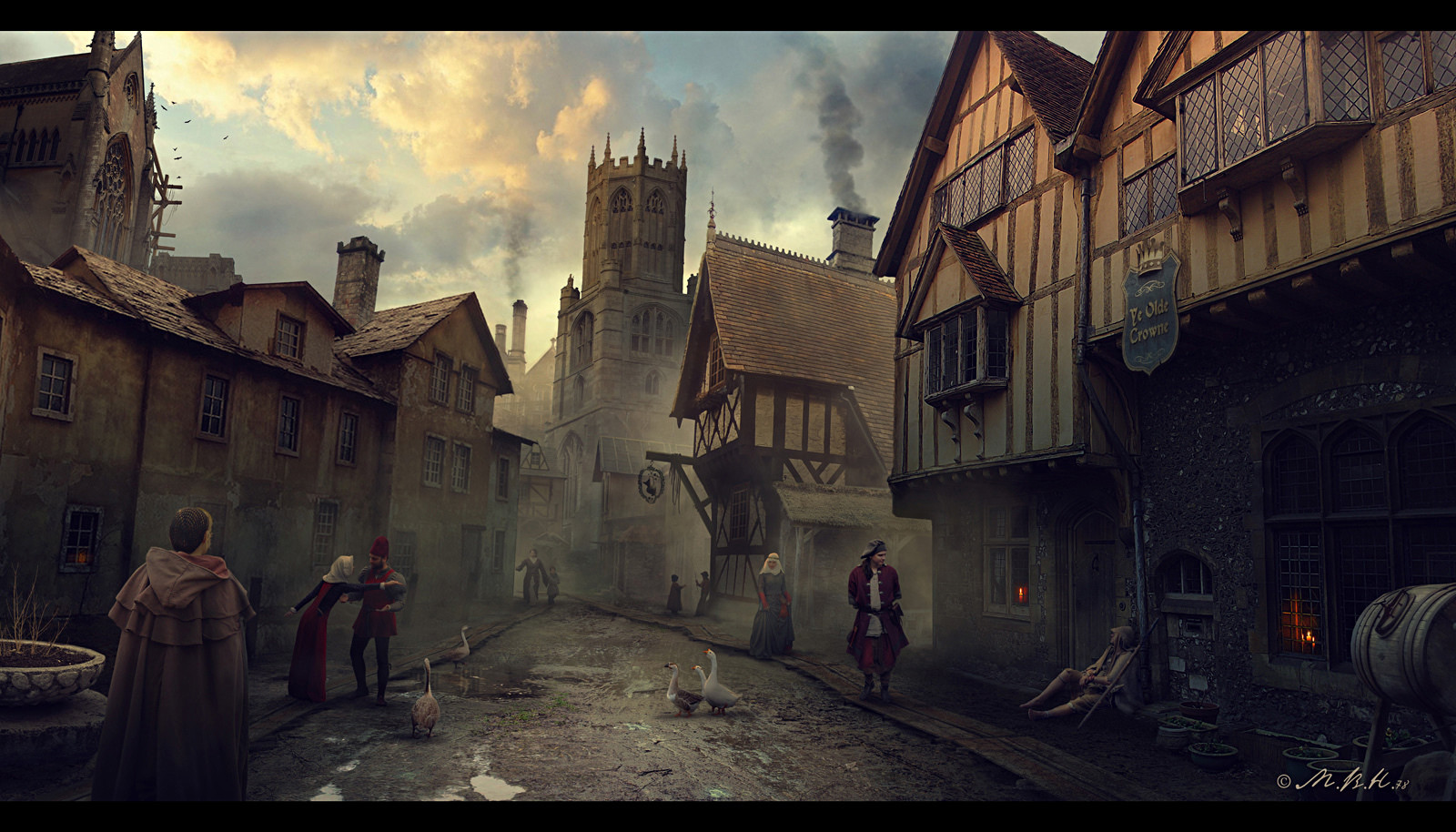
Have a look at our dedicated lesson plan for this topic https://lenara.uk/home-education-lesson-plans/was-it-actually-dark-during-the-dark-ages
Bright Days in the “Dark” Ages
The Dark Ages weren’t dark in the sky — the sun still shone every day, just like now. Some people imagine gloomy clouds and endless night, but that’s just the name talking.
“Dark” doesn’t mean there was no sunlight. It was used by historians who believed not much learning or culture happened during that time. But the weather, seasons, and daylight were the same as always. People worked in the fields, celebrated harvest festivals, and planned their lives around the sun. Nature carried on, bright as ever — and so did the people.
What Were the Dark Ages?
The “Dark Ages” is a name often used for the time in Europe after the fall of the Roman Empire, roughly from the year 500 to 1000 AD. It was called “dark” because some thought nothing much happened — no progress, no learning, no culture. But that’s not really true.
This was a time of big changes: new kingdoms formed, languages developed, and religions spread. People were still inventing, farming, trading, and building. While there were no huge empires like Rome, local rulers were shaping the future in their own ways. Life didn’t stop — it simply changed. Calling it “dark” makes it sound like a boring, empty time, but that’s far from the truth.
Why Did People Think It Was Dark?
A big reason people thought this time was dark is because of a lack of written records. After the Romans left, there weren’t as many books or documents being created. Historians in later times couldn’t find much written down, so they assumed not much was going on.
Plus, there were invasions, plagues, and wars, which added to the idea that this was a gloomy time. But imagine if someone found your school books 1,000 years from now and judged your whole time period by that — they’d miss a lot, right? Just because there weren’t many books doesn’t mean nothing exciting or important was happening.
What Was Life Really Like?
People during the Dark Ages still got up every day and worked hard. Farmers grew crops like wheat and barley, blacksmiths made tools, and traders travelled between towns. Villages were small but lively, and people often helped each other out.
Castles began to pop up, especially in places like England and France, and they weren’t just for kings — they helped protect local communities. Most people lived in the countryside, worked on farms, and lived simple but meaningful lives. It might not sound like modern life, but for them, it was normal — and not so dark after all.
Did Anyone Go to School?
Education didn’t disappear, but it did change. Instead of big schools like in ancient Rome, many children learned at monasteries or from village priests. Monks were some of the smartest people around, copying books by hand and keeping knowledge alive.
These monks helped save old Roman and Greek ideas, like maths and science, and passed them on to future generations. So even if schools weren’t everywhere, learning never truly stopped. In fact, some of the books they copied are the only reason we know about ancient civilisations today!
Were There Any Cool Inventions?
Absolutely! People in the Dark Ages came up with loads of clever inventions. For example, the heavy plough made it easier to farm tough soil in Europe, helping feed more people. Watermills were used to grind grain, saving time and effort. And don’t forget about stirrups — they changed the way people rode horses and helped knights fight more effectively.
These might not be flashy inventions like smartphones, but for their time, they were game-changers. So yes, the so-called “dark” people were actually quite smart!
What About Art and Music?
The Dark Ages weren’t just about war and work — people still had time for creativity. Beautiful illuminated manuscripts were made by hand, full of gold and bright colours. Churches were filled with carvings and stained glass windows that told stories from the Bible.
Music was mainly religious and performed by monks, but it laid the foundations for modern music. Even the designs on swords, shields, and clothes showed off people’s style. These weren’t dull or boring times at all — they were colourful, artistic, and expressive.
Who Were the Big Names?
Some pretty famous people lived during this period. Charlemagne, also called Charles the Great, became the first Holy Roman Emperor and encouraged education across his empire. Alfred the Great helped protect England from Viking attacks and also promoted learning and law.
Then there were the Vikings themselves — not just warriors, but also explorers, traders, and farmers. These leaders and groups had a massive impact on the way Europe developed. They helped keep the spark of civilisation alive and made sure things kept moving forward.
Were There Any Big Discoveries?
You might be surprised, but yes! People in the Islamic world, like in Baghdad and Cordoba, made huge discoveries in medicine, astronomy, and maths. These ideas eventually spread into Europe and helped spark even more learning. It wasn’t just about Europe — the rest of the world kept developing and sharing ideas too.
Trade between Asia, Africa, and Europe helped move goods and knowledge. So while Europe had its ups and downs, learning and discovery were still happening in many parts of the world.
What Was Religion Like?
Religion played a massive role in everyday life. Christianity spread across Europe, led by the Catholic Church. Monasteries weren’t just religious places — they were centres for learning, helping poor people, and even growing food.
Religion helped people understand the world around them, especially when science wasn’t fully developed yet. Festivals, holidays, and even the way people measured time were based on religious calendars. And while not everyone agreed on beliefs, religion shaped culture, politics, and daily life in a big way.
Were There Any Big Events?
Loads of important things happened during the Dark Ages. The fall of the Western Roman Empire changed everything. The spread of Islam reshaped parts of Europe and the Middle East. Viking raids caused chaos but also led to new settlements.
The Battle of Hastings in 1066 marked the end of the Dark Ages for many historians, starting a new chapter in English history. Each event brought challenges, but also new opportunities. These weren’t quiet times — they were full of drama, action, and change!
Was Everyone Poor and Miserable?
Not at all! While many people lived simple lives, that doesn’t mean they were unhappy. They had strong communities, enjoyed feasts, sang songs, and played games. Life wasn’t easy, but people made the best of what they had. Wealthy nobles held banquets, and even peasants had fun at festivals and fairs.
Of course, there were famines and plagues, but people also found joy in family, storytelling, and celebrations. Just like today, people laughed, cried, and lived full lives — they weren’t just sitting in the dark!
What Ended the Dark Ages?
Historians don’t all agree on when the Dark Ages ended, but many point to the rise of cities, trade, and universities around the 11th century. More books were written, art styles changed, and new technology helped society grow.
This time of change is called the High Middle Ages, and later, the Renaissance. These later periods built on the foundations laid during the Dark Ages. So the idea that the lights just “switched back on” isn’t really true — they were always glowing, just sometimes dimmer.
Why Do We Still Call Them ‘Dark’?
The term “Dark Ages” was invented by later writers who didn’t understand how much had happened during that time. It makes it sound like people stopped thinking and creating, which isn’t true. Modern historians prefer calling it the Early Middle Ages instead.
It’s more accurate and fair to the people who lived then. Names matter — just like calling someone clumsy when they’re actually careful but unlucky! Changing how we talk about history helps us understand it better and gives credit where it’s due.
Should We Stop Saying ‘Dark Ages’?
Many experts think so, and for good reason. The Dark Ages weren’t as backward as people once believed. They were full of inventions, art, trade, and culture. Calling them “dark” ignores all the cool things people did.
Plus, it makes us forget that history is never simple. Every time period has good and bad parts. By learning more and using better words, we can see the past more clearly — like turning on a light in a dusty old room and finding out it’s full of treasure!
So, Was It Actually Dark During the Dark Ages?
Not really! While there were hard times, the Dark Ages were filled with human creativity, resilience, and progress. People didn’t live in total gloom — they were building the foundations of modern Europe.
Calling this time “dark” is a bit like judging a book by its cover. The truth is more complicated and much more interesting. So next time someone says the Dark Ages were boring and bleak, you’ll know better — and you can tell them just how wrong they are.
What Do You Remember?
Why did people originally call this time the “Dark Ages”?
What types of inventions were made during the Dark Ages?
Who were some important people from this period?
How did religion affect everyday life?
What’s a better name for the “Dark Ages” according to modern historians?
Write your answers in the comment section below.
Related Topics
If you enjoyed learning about the Dark Ages, you might like exploring the history of the Middle Ages, the fall of the Roman Empire, and the rise of the Renaissance. These periods are full of exciting changes, brave leaders, and big discoveries. You can also find out how different cultures across the world kept knowledge alive and shared their ideas.
Learn more:
https://en.wikipedia.org/wiki/Middle_Ages
https://en.wikipedia.org/wiki/Charlemagne
What Do You Think?
If you found this to be an interesting topic, why not have your say. Or if you can think of ways we could improve it. We would love to know what you learned and more importantly, what you think. So now is your chance, use the comments section below to let us know your thoughts.

