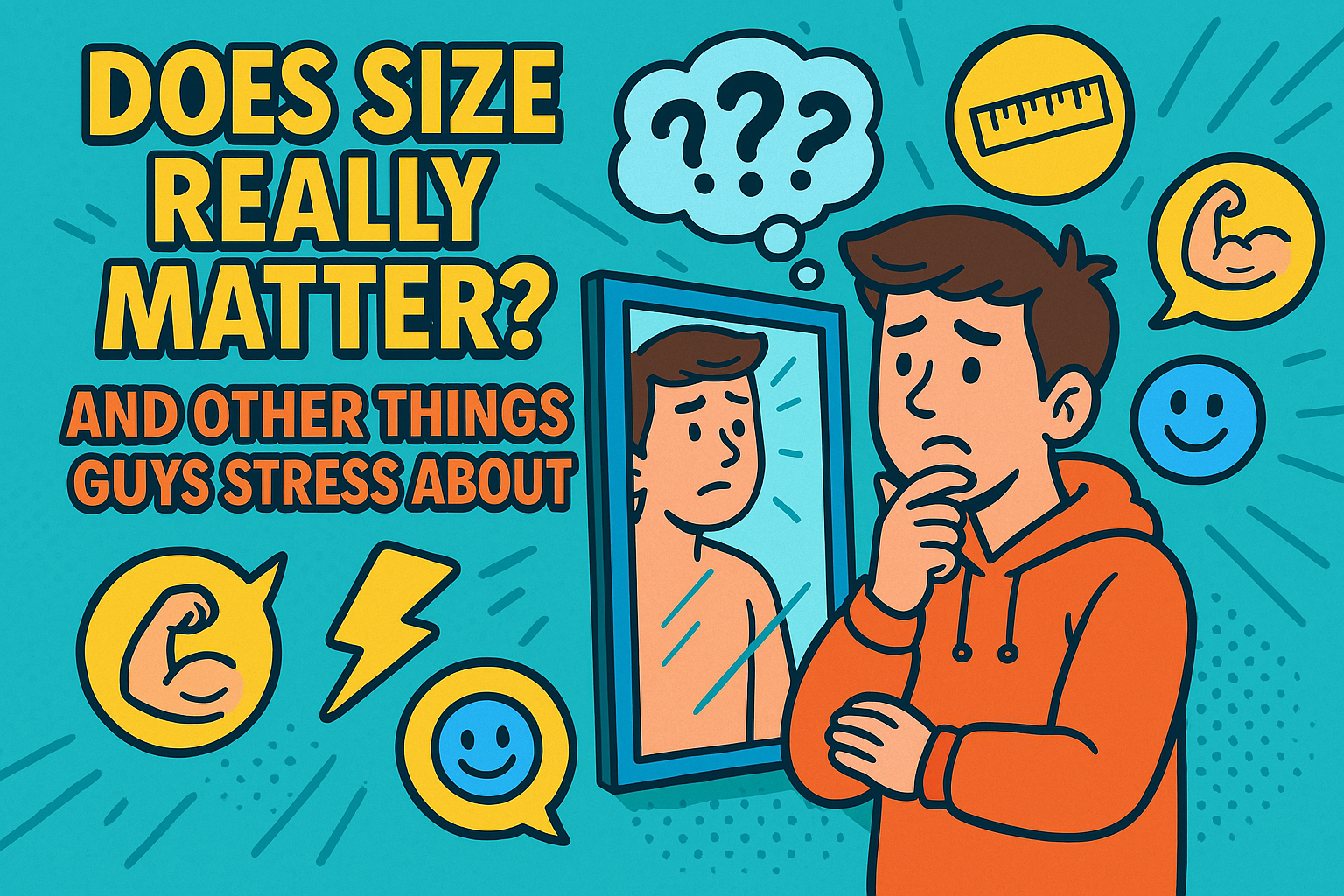
Does Size Really Matter? And Other Things Guys Stress About (Q&A)
Q & A - Does Size Really Matter? And Other Things Guys Stress About
This Parent Q&A sheet is designed to support you as you help your child explore the sensitive topic of body worries, including the common concern about penis size. Many boys go through a stage where they compare themselves to others or feel anxious about how they are changing during puberty. This sheet will give you honest, accurate answers to the kinds of questions boys often ask, helping you feel more confident when discussing these issues.
The Q&A offers clear, plain-English explanations of common concerns and practical tips to help your child understand that their feelings are normal. It also encourages deeper conversations about confidence, body image, media influence, and healthy thinking. Whether your learner talks openly or is more private, this resource gives you flexible ways to guide and reassure them as they grow.
It is suitable for Elective Home Education families and has been created to be adaptable to your child’s needs, interests, and pace of learning.
This topic is part of our Info Zone collection. You can read the full topic, once logged in, here: Does Size Really Matter? And Other Things Guys Stress About
You’ll also find a full Lesson Plan and a handy Parent Q & A sheet, for this topic, ready to use..
|
Parent Q&A Sheet Does Penis Size Really Matter? And Other Things Guys Stress About | |
|---|---|
| Tip for Parents | This sheet is here to help you talk with your child about common worries boys may have about their bodies. It gives you answers to likely questions and helpful ways to keep conversations open, honest, and reassuring. Remember, the aim is to help your child feel normal, confident, and less stressed. |
| 1. Why do boys often worry about penis size? | Many boys worry about this because of things they hear from friends, see in films, or find online. It is often made into a joke or seen as important when it really isn’t. Most of these worries come from myths, not facts. |
| 2. What is the average penis size? | Research shows that the average erect penis is around 5.1 inches (13 cm) long and about 4.6 inches (11.6 cm) around. When soft (flaccid), it’s around 3.6 inches (9 cm) long. There is a wide range of normal sizes, just like with height and foot size. |
| 3. Does size really matter to other people? | In studies, most people say they care far more about kindness, confidence, humour, and how someone treats them than size. It is not as important to others as boys often fear. |
| 4. What causes boys to compare themselves? | Social media, films, advertising, and sometimes teasing from friends create false expectations. Boys may feel they are “not normal” if they don’t match unrealistic images, but these images are often exaggerated or fake. |
| 5. At what age do boys start puberty? | Puberty usually starts between ages 9 and 14. Some changes happen slowly, others quickly. Every child is different, and it is common for boys to develop at different rates from their friends. |
| 6. What changes happen during puberty? | Changes include a deeper voice, growth spurts, body hair, and changes to genitals. These are normal and part of the body’s development into adulthood. |
| 7. Why is it important to reassure boys about these worries? | Unspoken worries can lead to low self-esteem and anxiety. Being open and honest helps boys feel normal and supported, making them more likely to talk about future concerns too. |
| 8. How can I answer if my child directly asks about their size? | Answer calmly and factually. Reassure them that all bodies are different, there is no "perfect" size, and that they are normal. Avoid joking or brushing it off, as they may be feeling vulnerable. |
| 9. What about worries about muscles and body shape? | Many boys also worry about not being muscular or looking “strong enough.” Remind them that bodies change naturally during puberty and that exercise and healthy eating are about feeling good, not just looks. |
| 10. What if my child worries about being shorter than friends? | Height varies greatly during teenage years. Some boys grow earlier, others later. Most continue growing until their late teens. Remind them that height doesn't decide their worth, talents, or friendships. |
| 11. How can I talk about media influence with my child? | Explain that films, social media, and advertising often show unrealistic images. Talk about how editing, filters, or exaggeration are used and encourage critical thinking about what they see online. |
| 12. What can I do if my child is feeling down about their body? | Listen carefully, take their worries seriously, and reassure them. If needed, suggest talking to a GP or contacting youth-friendly support services like Childline or The Mix. |
| 13. Why does confidence matter more than appearance? | Confidence helps boys feel good about themselves, make friends, and handle challenges. People are drawn to kind, confident people far more than to looks or physical features. |
| 14. Are these worries common? | Yes, most boys have similar worries at some point. Knowing they are not alone can help your child feel less anxious and more willing to talk about it. |
| 15. What if my child avoids talking about it? | That’s okay. Just knowing you are open and available is important. Sometimes boys prefer to think things through quietly but will come to you when ready. |
| 16. Should I bring up the topic if they don’t? | Gently mentioning that it’s normal to have worries about body changes can help. Avoid pushing, but let them know you are happy to talk whenever they need. |
| 17. How can I help build my child’s confidence? | Encourage them to focus on their strengths, interests, and friendships. Praise effort and kindness rather than appearance. Support hobbies and activities they enjoy. |
| 18. Where can I get extra help? | Useful organisations include: Childline | The Mix These offer confidential advice and support for both young people and parents. |
| Creative Thinking Ideas |
|