
The Coldest Place on Earth – Brrrr!
The Coldest Place on Earth – Brrrr!
The coldest place on Earth is a high ridge in Antarctica, where temperatures can drop below -93°C. It’s a lot colder than your freezer, icier than a snow cone, and completely unliveable for humans. Scientists brave the chill to study this icy world and learn more about climate, Earth’s history, and even space. Wrap up warm as we explore this freezing-cold wonderland!
What Is the Coldest Place on Earth?
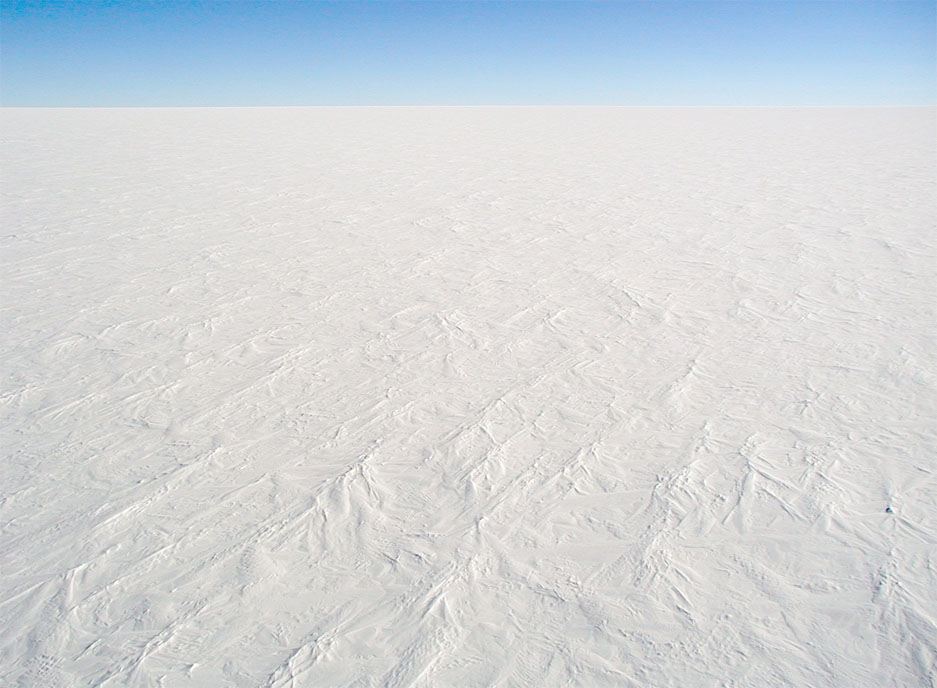
The coldest place on Earth is a part of Antarctica, on a high ridge between Dome Argus and Dome Fuji on the East Antarctic Plateau. This spot is so chilly that temperatures can drop to an eye-watering -93.2°C! That’s colder than dry ice and even colder than Mars on some days.
It’s not a place you’d want to build a snowman unless you’re wearing about 10 layers of super-insulated gear. These readings were taken using special satellites that can measure ground temperatures from space. Scientists don’t camp there because it’s way too dangerous for people to survive. Even electronics need special heating or they’ll freeze and stop working!
Why Is Antarctica So Cold?
Antarctica is at the bottom of the world, far from the Sun’s warm rays. Even in summer, the Sun just circles the horizon without rising high in the sky, so it never really gets warm. Most of Antarctica is covered in thick ice that reflects sunlight instead of absorbing it.
The land is also very high up, and the higher you go, the colder it gets. Add to that some seriously dry air and constant winds, and you’ve got the perfect recipe for super-freezing temperatures. Antarctica is also surrounded by ocean currents that keep warmer waters away, acting like an invisible icy moat.
Who Discovered the Coldest Spot?
The coldest place wasn’t discovered by someone walking around with a thermometer—it was found using NASA satellites. In 2013, scientists studying images from space noticed an area that had been colder than anywhere else on Earth.
The record was set in August 2010, but it took a few years to spot it. The temperature didn’t come from a weather station, but from satellite sensors that look at how much heat the ground gives off. These clever tools let scientists study places too dangerous to visit. Talk about science with a chilly twist!
What Happens to Your Body in Extreme Cold?
If you were dropped into the coldest place on Earth without protection, your body would start to freeze within minutes. Your skin would sting and go numb, your breath would feel like sharp needles, and ice could form in your nose. In these temperatures, even eyelashes can freeze together!
Without the right clothing, you’d get frostbite, where skin and tissue actually freeze. If that goes untreated, it can lead to serious damage or even losing fingers or toes. Hypothermia is also a big risk—this is when your body temperature drops too low to keep working properly. It’s not just cold—it’s dangerously cold.
Can Anything Live There?
Even in the coldest parts of Antarctica, life finds a way—though not much of it! Some bacteria and tiny creatures called extremophiles have adapted to live in extreme cold, but that’s about it.
No penguins, polar bears, or even snow leopards hang out in the coldest zone. Penguins stick to the coastal parts where temperatures are slightly kinder and food is easier to find. These icy deserts are almost completely lifeless, making them some of the most alien places on Earth. If you wanted to visit, you’d bring everything with you—including your oxygen!
Why Do Scientists Study These Cold Places?
You might be wondering why anyone would want to study a place this cold. Well, Antarctica helps us understand our planet’s climate, past and present. By studying the ice, scientists can look at bubbles of ancient air trapped thousands of years ago.
This helps them see how Earth’s temperature and atmosphere have changed. Cold places like Antarctica also help us learn about life in extreme environments, which could tell us what to expect if we ever visit icy planets or moons in space. It’s like Earth’s own version of a science lab—frozen solid!
What Equipment Do You Need to Survive There?
Surviving in the coldest place on Earth needs serious preparation. Researchers wear specially-designed suits with layers of insulation, thermal gloves, thick boots, and face masks. Even their goggles are heated to stop them freezing over.
Vehicles have engines that run 24/7 so they don’t freeze solid, and tents are reinforced with extra insulation. Food must be high-energy to keep their bodies warm and working. Every bit of kit has to be tested in freezing temperatures to make sure it can handle the chill. It’s not like packing for a winter holiday—it’s more like getting ready for a space mission!
What’s It Like Living in Antarctica?
People don’t live in the coldest spot permanently, but scientists do stay in research bases elsewhere in Antarctica. Life there is like a mix of science camp and survival school. Everyone works together, sharing cooking duties, helping with equipment, and watching out for each other’s safety.
Communications are tricky, and going outside means suiting up like an astronaut. They don’t see the Sun for months in winter, and then it doesn’t set in summer. It’s a place where you can’t pop to the shop, and your neighbours might be penguins!
Can You Visit the Coldest Place on Earth?
Nope—not the coldest part itself. It’s way too dangerous for tourists. But you can visit other parts of Antarctica if you’re feeling brave (and wealthy—it’s not cheap!). There are special cruise ships and guided tours that take people to see glaciers, penguins, and icy landscapes.
Visitors have to follow strict rules to protect the environment, and you won’t find hotels or coffee shops down there! It’s one of the last truly wild places on the planet, and it’s protected by international agreements to keep it that way.
How Cold Is It Compared to Other Places?
Let’s compare: your home freezer is around -18°C, the North Pole can reach about -40°C in winter, and Mars averages around -60°C. But the coldest place on Earth? A jaw-dropping -93.2°C! That’s colder than anywhere else naturally found on our planet.
Even Siberia, known for its icy winters, looks mild compared to this Antarctic chill zone. Imagine walking outside and feeling your breath freeze before it hits the ground—it’s that cold. Definitely not T-shirt weather!
Has It Always Been This Cold?
The Antarctic climate has changed over millions of years. Long ago, Antarctica was warm and full of forests, but over time, it drifted to the South Pole and began to freeze. Huge ice sheets formed, covering the land and creating today’s frozen desert. Scientists use ice cores to study the changes and learn what might happen next.
Climate change could affect even these icy regions, melting glaciers and changing sea levels. So even the coldest places aren’t safe from warming up.
Is It Always Dark There?
During Antarctic winter, the Sun doesn’t rise at all for months. It’s complete darkness, 24 hours a day! Then in summer, the Sun never sets and just circles around the sky. This unusual day-night pattern makes living and working there quite a challenge.
People use special lamps and sleep masks to keep their body clocks in sync. In the coldest parts, you might not notice the Sun even when it’s up—it’s still too cold to melt anything. It’s like living on another planet!
Why Is It Important to Protect Antarctica?
Antarctica is one of the most untouched places on Earth, and protecting it helps preserve important ecosystems and scientific research. Pollution, overfishing, and climate change could damage this frozen world. That’s why countries have signed agreements to protect it.
It’s illegal to mine or build cities there, and every visitor has to follow rules to keep the environment clean. Even tiny bits of litter can harm the wildlife or ruin scientific samples. Protecting Antarctica means looking after our planet’s future, not just its frozen past.
The Coldest Place and the Warmest Hearts
Even though the coldest place on Earth could freeze your nose hairs, it’s also a place full of hope, curiosity, and discovery. Scientists work together from around the world to learn more about Earth’s past and future.
They share their knowledge to help everyone understand the importance of climate, nature, and teamwork. It might be freezing on the outside, but inside those research bases, there’s plenty of warm-hearted science going on. And that’s something worth celebrating—even if it comes with frozen toes!
What Do You Remember?
What is the coldest temperature ever recorded on Earth?
Why is Antarctica colder than other places?
How do scientists measure temperatures in dangerous places?
What kind of life exists in the coldest parts of Antarctica?
Why is it important to protect Antarctica?
Write your answers in the comment section below.
Related Topics
If you enjoyed learning about the coldest place on Earth, you might be curious about the hottest places too, like Death Valley or the Sahara Desert. You could also explore topics like climate change, Earth’s history, and space science—some of which is inspired by Antarctica’s harsh conditions.
Learn more:
https://en.wikipedia.org/wiki/Antarctica
https://en.wikipedia.org/wiki/East_Antarctic_Plateau
What Do You Think?
If you found this to be an interesting topic, why not have your say. Or if you can think of ways we could improve it. We would love to know what you learned and more importantly, what you think. So now is your chance, use the comments section below to let us know your thoughts.