Can I Get Pregnant from…? Answering Your Top Questions
Understanding how pregnancy occurs is essential for teens and young adults. Pregnancy happens when sperm fertilizes an egg, typically through vaginal intercourse. Engaging in sexual activity without proper contraception can lead to unintended pregnancies, regardless of myths suggesting otherwise. It’s crucial to be informed about reproductive health to make safe choices.
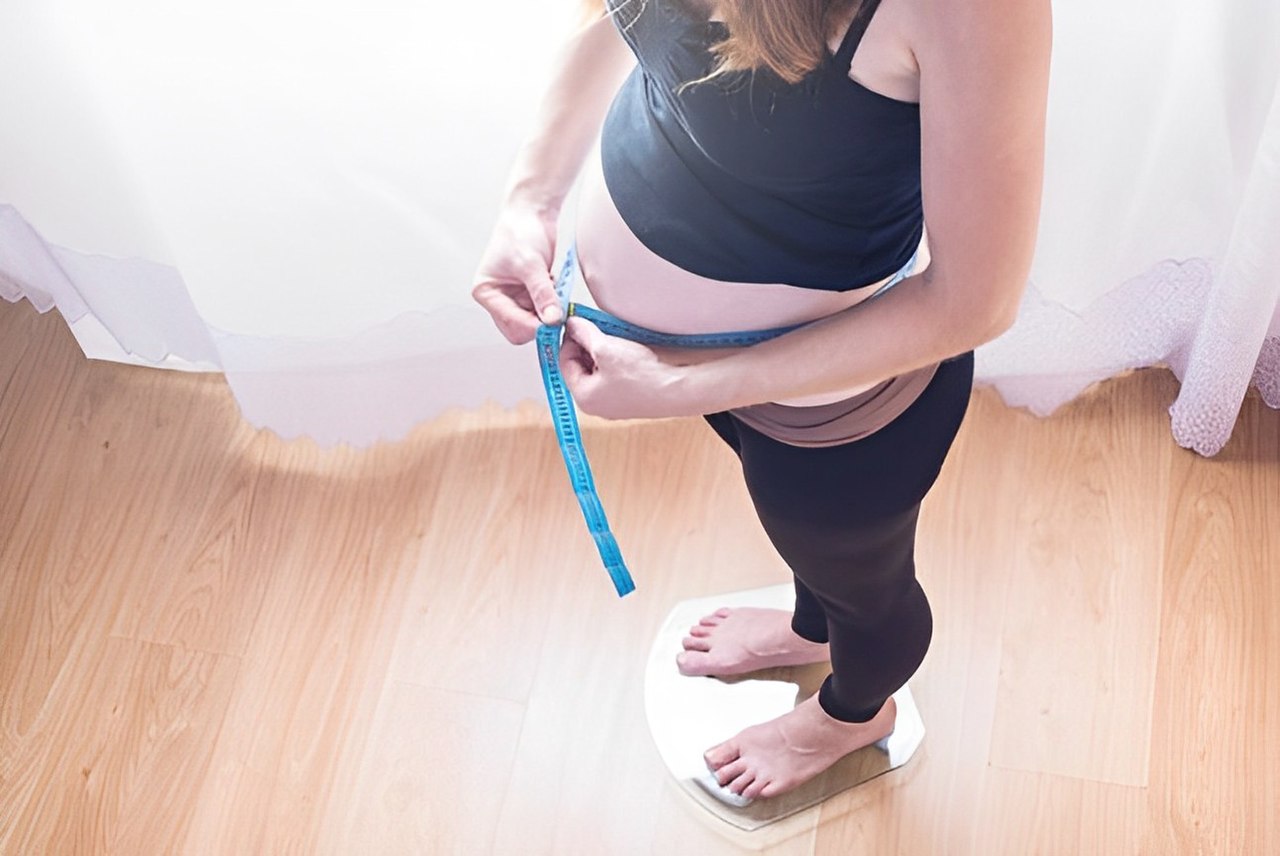
Understanding How Pregnancy Happens
Pregnancy occurs when a sperm cell fertilizes an egg, leading to the development of an embryo. This typically happens through vaginal intercourse, where sperm enters the vagina and travels to meet an egg. However, there are many myths about how pregnancy can or cannot occur, leading to confusion. Understanding the facts is crucial for making informed decisions about sexual health.
Myth 1: You Can’t Get Pregnant the First Time
Some believe that pregnancy can’t happen during the first sexual encounter. This is false; if sperm fertilizes an egg, pregnancy can occur, regardless of whether it’s the first time or not. Every act of unprotected sex carries the risk of pregnancy.
Myth 2: Certain Positions Prevent Pregnancy
There’s a misconception that specific sexual positions can prevent pregnancy. The truth is, no position during vaginal intercourse eliminates the risk of pregnancy. Sperm are designed to reach the egg, regardless of the position during sex.
Myth 3: Withdrawal Method is Foolproof
Some rely on the withdrawal method, where the male partner pulls out before ejaculation, as a form of birth control. This method is unreliable because pre-ejaculate fluid can contain sperm, which can lead to pregnancy. It’s not a dependable contraceptive method.
Myth 4: You Can’t Get Pregnant During Menstruation
While the chances are lower, it’s still possible to get pregnant during your period. Sperm can live inside the female body for up to five days, and if you have a shorter menstrual cycle, you could ovulate soon after your period ends, allowing sperm to fertilize an egg.
Myth 5: Douching Prevents Pregnancy
Douching after sex does not prevent pregnancy. Once sperm enters the vagina, it can reach the cervix within minutes. Douching can also disrupt the natural balance of bacteria in the vagina, leading to infections.
Myth 6: You Can’t Get Pregnant Without Penetrative Sex
While pregnancy is most commonly a result of penetrative vaginal sex, there’s a slight risk of pregnancy if semen comes into contact with the vulva or vaginal opening. However, this is rare. For pregnancy to occur, sperm needs to enter the vagina and fertilize an egg.
Preventing Unintended Pregnancy
The most effective way to prevent unintended pregnancy is through the use of contraception. Various methods are available, including condoms, birth control pills, intrauterine devices (IUDs), and implants. Using condoms not only helps prevent pregnancy but also reduces the risk of sexually transmitted infections (STIs). It’s essential to choose a contraceptive method that suits your lifestyle and needs and to use it consistently and correctly.
The Importance of Sexual Education
Comprehensive sexual education plays a vital role in dispelling myths and providing accurate information about reproductive health. Understanding how pregnancy occurs, how to prevent it, and the importance of consent empowers individuals to make informed decisions. Access to accurate information reduces the stigma and misconceptions surrounding sexual health topics.
Communicating with Partners
Open and honest communication with sexual partners about contraception and sexual health is crucial. Discussing boundaries, expectations, and protection methods ensures that both parties are informed and consenting. This dialogue fosters trust and reduces the risk of unintended pregnancies and STIs.
Seeking Professional Advice
If you’re unsure about contraception options or have questions about sexual health, consult a healthcare provider. They can provide personalized advice, discuss the pros and cons of different contraceptive methods, and address any concerns you may have. Regular check-ups are also essential for maintaining reproductive health.
What Do You Remember?
Can pregnancy occur the first time you have sex?
Is the withdrawal method a reliable form of contraception?
Can you get pregnant during your period?
Does douching after sex prevent pregnancy?
Why is it important to communicate with your partner about contraception?
Related Topics
Understanding sexual health is more than just knowing about pregnancy prevention. It’s also essential to learn about sexually transmitted infections (STIs), consent, and healthy relationships. Educating yourself on these topics can lead to safer and more fulfilling experiences.
Learn more about Contraception
Discover information on Sexually Transmitted Infections

