
The Turing Test: Can a Computer Fool a Human?
The Turing Test: Can a Computer Fool a Human?
The Turing Test is a clever way to check if a computer can act like a human. If someone can chat with a machine and not tell it’s a computer, the machine passes the test! It was invented by Alan Turing, one of the smartest minds in computing history. But even today, very few computers have truly passed the test.
What Is the Turing Test?
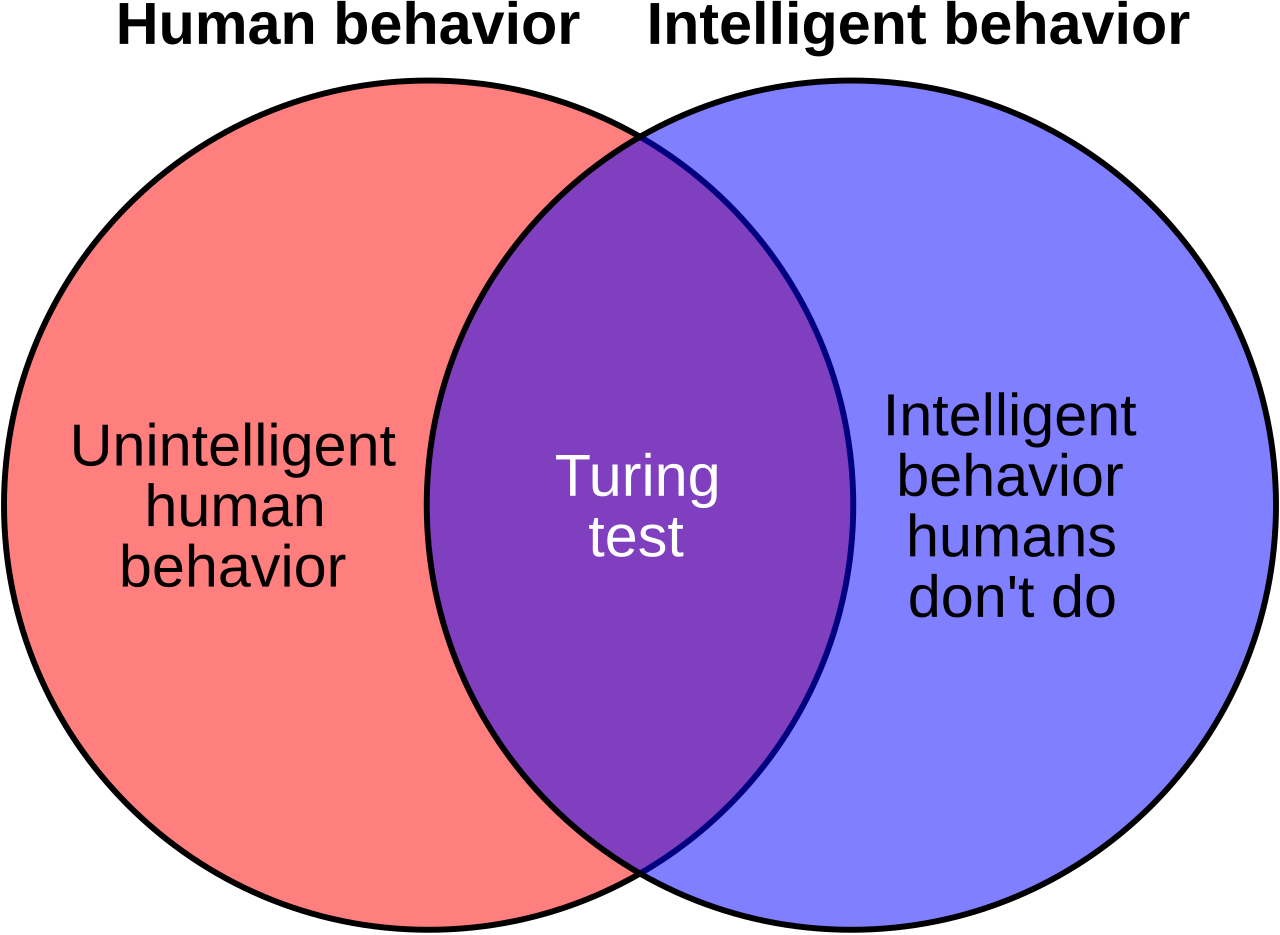
Imagine chatting online with someone, but you don’t know if it’s a person or a machine. If you honestly can’t tell the difference, then that machine might have passed the Turing Test! This brilliant idea was thought up by Alan Turing, a British mathematician and computer pioneer. He wondered, “Can machines think?” Instead of trying to define “thinking,” he came up with a test: If a machine can have a natural conversation and convince a human that it’s also human, then it might be intelligent. It’s like a hide-and-seek game, but with words and wits instead of hiding behind furniture!
Who Was Alan Turing?
Alan Turing was a British genius who helped win World War II by cracking secret codes. But he didn’t stop there—he also helped invent the computer as we know it today. In 1950, he wrote a paper called “Computing Machinery and Intelligence,” where he first explained the Turing Test. Turing was way ahead of his time, and many of his ideas are still super important today. His work laid the groundwork for artificial intelligence, or AI. You can think of him as the grandfather of smart robots!
How Does the Turing Test Work?
The Turing Test works like a quiz game. There’s a judge (a human) who chats with two hidden players—one human and one computer. They all type messages back and forth. If the judge can’t tell which one is the machine, then the computer has passed the test. The idea is that the machine needs to understand language, respond naturally, and even have a sense of humour! That’s not easy, even for today’s AI systems.
Why Is It So Hard for Computers to Pass?
Even though machines are super fast and can beat us at chess, they’re still not great at being human. People understand feelings, jokes, and hidden meanings. We know when someone’s being sarcastic or telling a story. But machines often get confused by these things. A computer might know a million facts, but if it doesn’t “get” what you’re saying, it can’t chat like a person. That’s why passing the Turing Test is still such a big deal.
Have Any Computers Ever Passed the Test?
Some computer programs claim to have passed the Turing Test, but it’s tricky. One famous example is a chatbot named Eugene Goostman, who pretended to be a 13-year-old boy from Ukraine. Because of the language barrier and his young age, judges didn’t expect perfect answers, and the bot managed to fool some of them. But most experts agree that no computer has passed the test in a truly convincing way yet.
What Are Chatbots, Anyway?
Chatbots are programs that can chat with people. You might have spoken to one on a website when asking about your order or needing help. Some, like Siri or Alexa, can even talk out loud! They’re designed to understand your questions and give helpful answers. Some chatbots are really smart, but they still struggle to sound completely human, especially in long conversations.
Is the Turing Test Still Important?
Yes! Even though it’s been around for more than 70 years, the Turing Test is still one of the best-known ways to measure how “human” a computer can be. It inspires scientists and engineers to create better AI that can talk, understand, and even tell jokes. It also gets people thinking: if a machine can act like a person, does that make it intelligent? Or just really good at pretending?
What About Feelings and Emotions?
Humans aren’t just clever—we also feel things. We laugh, cry, get angry, or feel excited. Computers don’t feel emotions like we do, but some AI systems are learning how to recognise feelings in our words and faces. That helps them respond better in conversations, but they’re still just following rules. No matter how clever they seem, they don’t feel in the way people do.
Could AI Ever Become Smarter Than Us?
Some people think one day, computers might become even smarter than humans. This idea is called the “singularity.” But for now, we’re still the cleverest creatures around. AI is great at doing specific tasks, like solving puzzles or sorting photos, but it doesn’t have real thoughts or dreams. The Turing Test reminds us how special human intelligence really is.
The Turing Test in Films and Games
The idea of machines pretending to be human shows up in loads of films and games. In Ex Machina, a robot tries to trick a human into thinking she’s real. In games like Detroit: Become Human, robots have conversations and make choices just like people. These stories are fun, but they also make us wonder what it means to be truly alive or intelligent.
Can You Build Your Own Chatbot?
Yes, you can! Kids around the world are learning how to code simple chatbots using tools like Scratch, Python, or chatbot makers online. It’s a fun way to understand how machines learn and respond. You can even try tricking your friends with your bot and see if it could pass a mini Turing Test of your own!
The Future of AI and Talking Machines
AI is changing super fast. New systems can write stories, make music, and even help doctors. As they get better, we might one day have machines that can chat like old friends. But until then, the Turing Test keeps us asking clever questions. Not just “Can machines think?” but “Can they really be like us?”
Why Should Kids Learn About the Turing Test?
Understanding the Turing Test helps us think about big questions: What makes us human? Can machines be creative? Should we trust AI? These are fun topics for curious minds like yours! And who knows—you might grow up to be the next genius who builds a talking robot!
Real-Life Robots Are Still Learning
Even the most advanced robots today are still learning how to walk, talk, and interact. From robot pets to virtual assistants, we see AI every day. But they still need humans to guide and teach them. Maybe one day, a robot will truly pass the Turing Test… but for now, you’re the smartest one in the room!
What Do You Remember?
Who invented the Turing Test?
What does the Turing Test try to find out?
Why is it hard for computers to pass the Turing Test?
What was the name of the chatbot that tricked some people?
Can computers really feel emotions?
Related Topics
If you enjoyed learning about the Turing Test, you might want to find out more about artificial intelligence, famous inventors, or how robots are used in the real world. You could also explore coding and even build your own chatbot! These topics help us understand our future and how we might live alongside smart machines.