Conspiracy Theories: And Why People Believe In Them
Conspiracy theories are ideas that suggest secret plots are behind big events. Some people believe them because they feel uncertain or mistrust authority. While some theories are clearly false, others start from real events. Understanding why people believe in them helps us think more critically.
What Is a Conspiracy Theory?
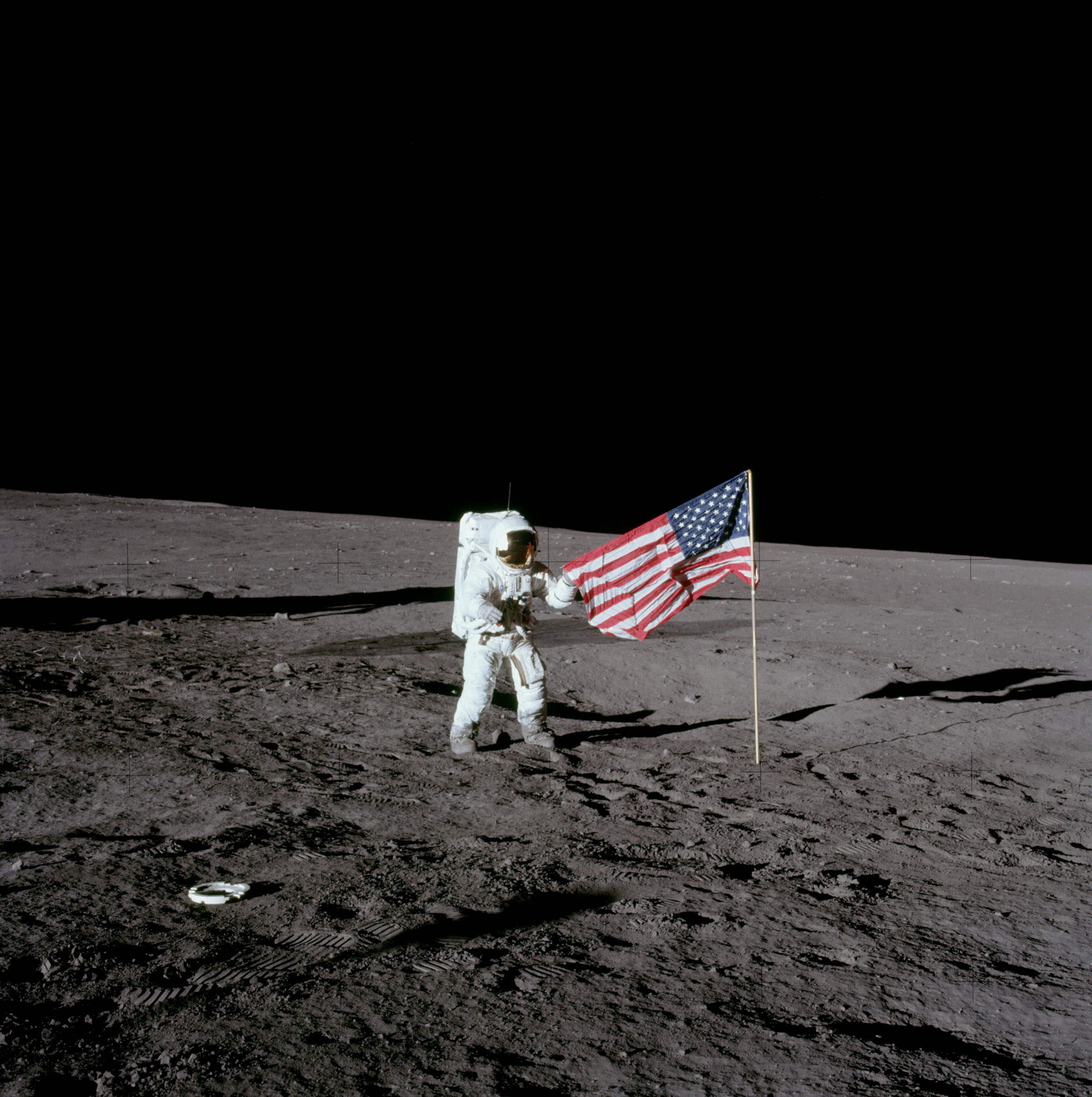
A conspiracy theory is a belief that certain events or situations are secretly controlled by powerful people or groups. These theories often suggest that the real truth is being hidden from the public. For example, some people believe the moon landing was faked, or that aliens are being hidden in secret government buildings.
Most conspiracy theories rely on the idea that “something doesn’t add up.” But here’s the twist: the evidence often doesn’t hold up under closer inspection. In most cases, experts have shown these claims to be false or impossible. Still, people find them fascinating. It’s a bit like a real-life detective story—except the clues aren’t always real! Conspiracy theories can be fun to talk about, but it’s important to ask: is this true, or just make-believe?
Where Do These Ideas Come From?
Conspiracy theories can start anywhere—online forums, news reports, or even overheard conversations. Often, they begin when something big or scary happens, like a terrorist attack, a celebrity death, or a pandemic. People want answers, especially when the truth seems too complicated or upsetting. A simple explanation, even if it’s wrong, can feel better than facing the unknown. Sometimes, people just don’t trust official sources like the government or scientists.
This makes them more likely to believe there’s a hidden plan. Theories can spread quickly, especially on social media. Before you know it, a wild idea has reached millions! And let’s face it, saying “There’s a secret plan!” sounds much more exciting than “Things are just really complicated.”
Famous Conspiracy Theories
Some conspiracy theories are more famous than others. For example, some people believe that the Earth is flat, despite loads of proof that it’s round. Others think that famous people like Elvis Presley or Tupac Shakur are still alive, living secretly somewhere.
There are also theories that world leaders are actually lizard people in disguise (yes, really!). These ideas might sound silly, but they have real fans who truly believe them. Even major events like 9/11 or the spread of COVID-19 have attracted conspiracy theories. The problem is that believing in these theories can stop people from understanding the truth or doing what’s needed—like getting vaccinated or staying safe.
Why Do People Believe Them?
There are lots of reasons why someone might believe a conspiracy theory. Some people feel powerless or confused and want to make sense of the world. Others might be angry and looking for someone to blame. Believing in secret plots can make people feel special—like they’ve discovered a hidden truth no one else sees.
Psychology also plays a part. Our brains are wired to find patterns, even when they don’t exist. That’s why people sometimes connect unrelated events and think, “Aha! It’s all part of a plan!” Want to hear a joke? Why did the conspiracy theorist cross the road? Because they thought the chicken was hiding something!
The Role of Social Media
Social media is like rocket fuel for conspiracy theories. Years ago, people had to meet in person or write books to share their ideas. Now, a theory can spread across the world in minutes with just a post or video. Algorithms, which decide what you see online, often show people more of what they already believe.
This creates an “echo chamber” where only one point of view is heard. And when you hear the same thing over and over, it starts to feel true—even if it isn’t. That’s why it’s so important to check information and not just believe everything you see on TikTok or YouTube.
How to Spot a Conspiracy Theory
Spotting a conspiracy theory isn’t always easy, but there are signs to look out for. If something blames everything on one evil group, it might be a conspiracy. If it claims “the media is lying” or says “only we know the truth,” be careful.
Also, look out for ideas that sound too simple. The world is messy and complicated—big events usually have big, complicated causes. Another clue? If someone can’t explain their theory clearly or refuses to accept any other evidence, it’s probably not very reliable.
Are All Conspiracy Theories False?
Not always! Sometimes, conspiracies really do happen. For example, the Watergate scandal in the 1970s showed that US politicians were involved in secret spying. And during World War II, the Enigma code was a real secret known only to a few.
But here’s the difference: these were proven with strong evidence, not just guesses or internet rumours. Real conspiracies are rare and usually exposed by journalists, whistle-blowers, or official investigations—not viral videos. So while some secrets are real, most conspiracy theories don’t hold up when tested.
The Danger of Believing Without Proof
Believing in conspiracy theories might seem harmless, but it can be dangerous. It can make people ignore important health advice, like during the COVID-19 pandemic. It can lead to unfair blame, bullying, or even violence.
In some cases, people have broken the law or hurt others because they believed in a conspiracy. That’s why critical thinking is so important. Asking questions is good—but we must also look for solid evidence and listen to different viewpoints.
How to Think Like a Detective
Thinking critically is like being a detective. You look at the facts, check your sources, and ask tough questions. Good detectives don’t just accept the first explanation—they dig deeper. They ask: Who is saying this? What’s the evidence?
Could there be another reason? It’s okay to say “I don’t know” rather than believe something strange without proof. And hey, even Sherlock Holmes wouldn’t believe that lizard people are running the government—unless he had very good evidence!
What About the People Who Believe Them?
It’s easy to laugh at conspiracy theories, but we should be kind to people who believe in them. Often, they’re just trying to understand a confusing world.
Teasing them or calling them silly won’t help. Instead, we can ask questions, share facts, and help them think more clearly. Most importantly, we should always stay curious and open-minded—without falling for nonsense.
Why Critical Thinking Matters
In a world full of information (and misinformation), critical thinking is like a superpower. It helps you tell the difference between facts and fibs, science and silliness. Schools teach maths and science, but they should also teach how to think clearly and ask questions. That way, fewer people will fall for wild stories or false claims. And the world will be a bit smarter—and a lot safer.
Is It All Just Harmless Fun?
Sometimes, people follow conspiracy theories as a hobby. They enjoy the mystery or the challenge of finding “clues.” That can be okay, as long as they don’t spread harmful lies or ignore real problems. But the line between fun and danger can be thin.
That’s why even jokes need careful thinking—especially when real lives are affected. Speaking of jokes, what do you call someone who believes all conspiracy theories? A “suspect everything” expert!
What Can You Do If You Hear One?
If someone shares a conspiracy theory, don’t panic. You can ask them questions like, “Where did you hear that?” or “What proof do you have?” You can also check trusted websites or talk to teachers or adults you trust. Remember, it’s okay to be curious—but don’t be fooled by clever-sounding lies. Be the kind of person who checks before sharing. That way, you help stop false information from spreading.
So, What’s the Truth?
The truth is… the truth isn’t always easy to find! But that doesn’t mean we should accept any old theory that sounds cool. Real knowledge takes effort, learning, and checking the facts.
Whether it’s about space, history, or lizards in suits, don’t just believe—investigate! That’s how we grow into smart, thoughtful people.
What Do You Remember?
What is a conspiracy theory?
Why do some people believe in conspiracy theories?
What role does social media play in spreading these theories?
Can you name a real-life conspiracy that turned out to be true?
Why is it important to think critically about the information we hear?
Related Topics
If you found this topic interesting, you might also want to explore how the brain works when it comes to decision-making or why fake news spreads so quickly online. You could also learn about famous hoaxes in history or how scientists investigate claims and separate fact from fiction. Curious minds should keep digging!
Learn More
https://en.wikipedia.org/wiki/Conspiracy_theory
https://en.wikipedia.org/wiki/Critical_thinking
What Do You Think?
If you found this to be an interesting topic, why not have your say. Or if you can think of ways we could improve it. We would love to know what you learned and more importantly, what you think. So now is your chance, use the comments section below to let us know your thoughts.

