
The War That Changed the World: What Happened in WWI?
The War That Changed the World: What Happened in WWI?
World War I, also known as the Great War, was a major global conflict that lasted from 1914 to 1918. It involved many countries and introduced new technologies like tanks and aeroplanes. The war resulted in significant changes worldwide and had a profound impact on history.
Have a look at our dedicated lesson plan for this topic. https://lenara.uk/home-education-lesson-plans/the-war-that-changed-the-world-what-happened-in-wwi
How It All Began
In the early 20th century, Europe was a complex web of alliances and rivalries. The spark that ignited World War I was the assassination of Archduke Franz Ferdinand of Austria-Hungary in June 1914. This event led to a chain reaction of war declarations among major powers, plunging the world into a conflict unlike any before. Nations were drawn into the war due to existing alliances, and tensions escalated rapidly. The assassination highlighted the fragile political landscape of Europe at the time. As countries mobilised their forces, the stage was set for a devastating global conflict. The world watched as Europe descended into war, unaware of the profound changes it would bring. This marked the beginning of a new era in global relations and warfare. The assassination of the Archduke is often seen as the catalyst that set these events into motion. Understanding this event helps us grasp the complexities that led to such a widespread conflict.
The Two Sides
The war featured two main groups: the Allies and the Central Powers. The Allies included countries like Britain, France, Russia, and later the United States. The Central Powers consisted of Germany, Austria-Hungary, the Ottoman Empire, and Bulgaria. These alliances meant that a conflict between two nations quickly involved many more. The intricate system of alliances turned regional disputes into global battles. Each side had its own objectives and motivations, further complicating the conflict. The involvement of multiple nations led to diverse battlefronts across continents. The alliances also influenced military strategies and resource allocations. As the war progressed, the dynamics between these alliances shifted, impacting the course of events. Understanding these alliances is crucial to comprehending the scope and scale of World War I. The global nature of these alliances made the war unprecedented in its reach and impact. The collaboration and conflicts within these groups shaped the geopolitical landscape of the 20th century.
Life in the Trenches
Soldiers on the Western Front lived in long, narrow trenches dug into the ground. These trenches were muddy, cramped, and overrun with rats and lice. The area between opposing trenches, known as “no man’s land,” was extremely dangerous. Trench warfare led to a stalemate, with both sides suffering heavy casualties without significant territorial gains. The daily life of a soldier in the trenches was gruelling and filled with hardships. Exposure to the elements, limited food supplies, and constant threat of enemy attacks made survival challenging. The psychological toll on soldiers was immense, leading to conditions like “shell shock.” Despite the hardships, soldiers developed camaraderie and resilience. Trench art and letters home provided glimpses into their lives and coping mechanisms. The static nature of trench warfare contrasted sharply with the dynamic movements seen in previous conflicts. Innovations in military tactics were often responses to the challenges posed by trench warfare. The legacy of trench warfare influenced military strategies in subsequent conflicts. Understanding life in the trenches offers insight into the human experience of World War I.
New Weapons and Technology
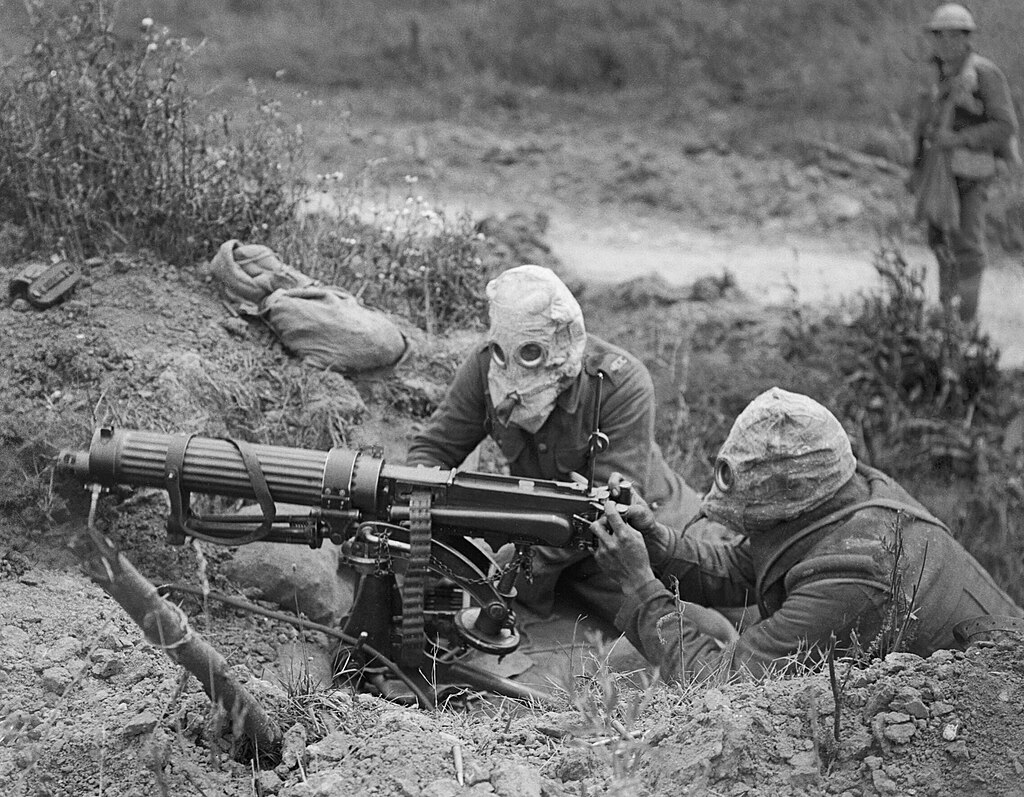
World War I saw the introduction of new weapons and technology. Tanks were used for the first time, providing a way to cross difficult terrain and break through enemy lines. Aeroplanes took to the skies for reconnaissance and aerial combat. Additionally, chemical weapons like poison gas were introduced, causing devastating effects on soldiers. Machine guns and artillery became more advanced, increasing the lethality of battles. Submarines, particularly German U-boats, threatened naval and merchant vessels. The war spurred rapid advancements in medical treatments and prosthetics due to the high number of casualties. Communication technologies, such as the use of radios, improved coordination on the battlefield. The integration of these technologies changed the nature of warfare, making it more industrialised. The psychological impact of these new weapons was profound, instilling fear and uncertainty. The ethical implications of using such weapons sparked international debates. Post-war treaties sought to regulate or ban certain weapons due to their inhumane effects. The technological innovations of World War I set the stage for future military developments. Understanding these advancements provides insight into the evolution of modern warfare.
The Home Front
The war affected not just soldiers but also civilians. Women took on roles traditionally held by men, working in factories and on farms to support the war effort. Children participated by collecting materials for recycling and helping in various capacities. Rationing of food and other goods became common as resources were directed towards the military. Propaganda campaigns encouraged citizens to contribute to the war effort and maintain morale. Communities organised events to raise funds and provide comfort to soldiers. The war led to significant social changes, challenging traditional gender roles and expectations. Education systems incorporated patriotic themes to instil national pride. The economic impact of the war was felt deeply, with inflation and shortages affecting daily life. Cultural expressions, such as music and literature, reflected the sentiments of the time. The collective experience of the home front fostered a sense of unity and shared sacrifice. Post-war, these societal shifts influenced movements for women’s rights and labour reforms.
Understanding the home front provides a comprehensive view of how deeply World War I affected society beyond the battlefield. It shows how every citizen, whether young or old, played a part in the war effort. Families faced separation, uncertainty, and grief as loved ones were sent off to fight. Newspapers delivered daily updates from the front lines, and people gathered around radios and posters to hear news of their countries’ progress. Public sentiment fluctuated between pride and worry, especially as the war dragged on. Women’s incredible efforts during this time opened the door to future opportunities, including voting rights in many nations. Schools often adjusted curriculums to focus on patriotism, while children learned songs and slogans that boosted morale. People even grew their own vegetables in “victory gardens” to help stretch food supplies. Overall, the war changed everyday life and reshaped communities in lasting ways, proving that wars aren’t just fought by armies—they impact everyone.
Major Battles That Shook the World
World War I was marked by enormous battles that caused massive loss of life and showed how brutal the conflict had become. One of the deadliest was the Battle of the Somme in 1916, where more than one million soldiers were killed or wounded. British troops suffered nearly 60,000 casualties on the first day alone. Another major clash was the Battle of Verdun, which lasted ten months and became a symbol of French resistance. The aim in these battles wasn’t always to take territory, but to wear down the enemy through sheer numbers and destruction. Soldiers lived through terrifying artillery bombardments, gas attacks, and endless waves of assault. The use of new weapons meant old tactics didn’t work as well, yet generals were slow to adapt. Many soldiers felt like they were being sent into hopeless situations. These battles are remembered not only for their size but for the sheer human cost. They left deep scars on the nations involved and continue to be studied in military history today.
The End of a Global Conflict
After four years of fighting, exhaustion began to set in across Europe. By 1918, many countries were running out of supplies, soldiers, and morale. The entry of the United States into the war in 1917 gave the Allies a fresh boost in strength and resources. Slowly, the Central Powers began to weaken. One by one, they started to surrender, and on 11 November 1918, Germany agreed to an armistice, which meant both sides would stop fighting. The war had finally ended, but the world had changed forever. In 1919, the Treaty of Versailles was signed, placing heavy punishments on Germany, including loss of land, limits on its military, and huge financial repayments. While this brought a formal close to the war, it also planted seeds of bitterness that would later lead to World War II. Many people hoped the world would never experience such a war again. The end of World War I marked the beginning of a long and difficult recovery process for all the nations involved.
What the War Left Behind
World War I led to the collapse of several powerful empires, including those of Germany, Austria-Hungary, Russia, and the Ottoman Empire. Entire countries were reshaped or created from the pieces, especially in Eastern Europe and the Middle East. Millions of soldiers returned home wounded, both physically and mentally, and the idea of “shell shock”—now known as PTSD—began to be recognised. The war also led to revolutions, like the Russian Revolution, which completely changed that country’s government. People around the world began to question old ways of thinking and demanded change. New ideas about politics, equality, and peace spread, especially among young people. The League of Nations was formed to help solve future conflicts peacefully, though it wasn’t very effective. Still, the hope for peace remained strong. Artists, poets, and writers expressed the emotions and trauma of the war in new and powerful ways. The Great War, as it came to be known, became a turning point in human history and changed the way people saw the world.
Keeping the Memory Alive
Even though over 100 years have passed since World War I ended, it’s still remembered with great respect. Every year on 11 November, people across the UK and other countries wear red poppies to honour those who fought and died. This tradition comes from the poem “In Flanders Fields,” which describes the poppies growing in the war-torn fields of Belgium. Schools, museums, and memorials help keep the stories alive so future generations can learn from the past. Visiting places like the Imperial War Museum or battlefields in France helps people connect with history on a deeper level. Remembrance Day services include moments of silence and stories from veterans. It’s a time to reflect on the cost of war and the value of peace. Art and literature from the time continue to teach us about courage, loss, and humanity. Learning about “The War That Changed the World: What Happened in WWI?” helps ensure that those sacrifices are never forgotten. Remembering the war reminds us to work towards a world where peace, not conflict, is the norm.
What Do You Remember?
What event triggered the start of World War I?
Name two countries that were part of the Central Powers.
What was “no man’s land” and why was it dangerous?
What was one role that women played on the home front?
What important treaty was signed in 1919 to end the war?
Related Topics
If this article sparked your curiosity, you might enjoy learning more about World War II, the Russian Revolution, or how women helped shape the 20th century. You could also explore how new inventions from the war changed technology forever. These related topics can help you understand how World War I didn’t just end in 1918—it shaped the next hundred years of human history in incredible ways.
Learn more