The Sinking of the Titanic and the Wreck That Remains
The Sinking of the Titanic and the Wreck That Remains
The sinking of the Titanic remains one of history’s most poignant maritime disasters. Over a century later, the Titanic wreck site continues to draw interest, serving as a solemn reminder of the events of April 1912.
This tragedy wasn’t just about a ship hitting an iceberg; it highlighted flaws in maritime safety, class disparities, and human overconfidence. By examining the RMS Titanic disaster, we gain insights into early 20th-century society and the lessons learned from this monumental event.
You’ll also find a full Lesson Plan and a handy Parent Q & A sheet, for this topic, ready to use..
The Dream Ship: What Was the Titanic?
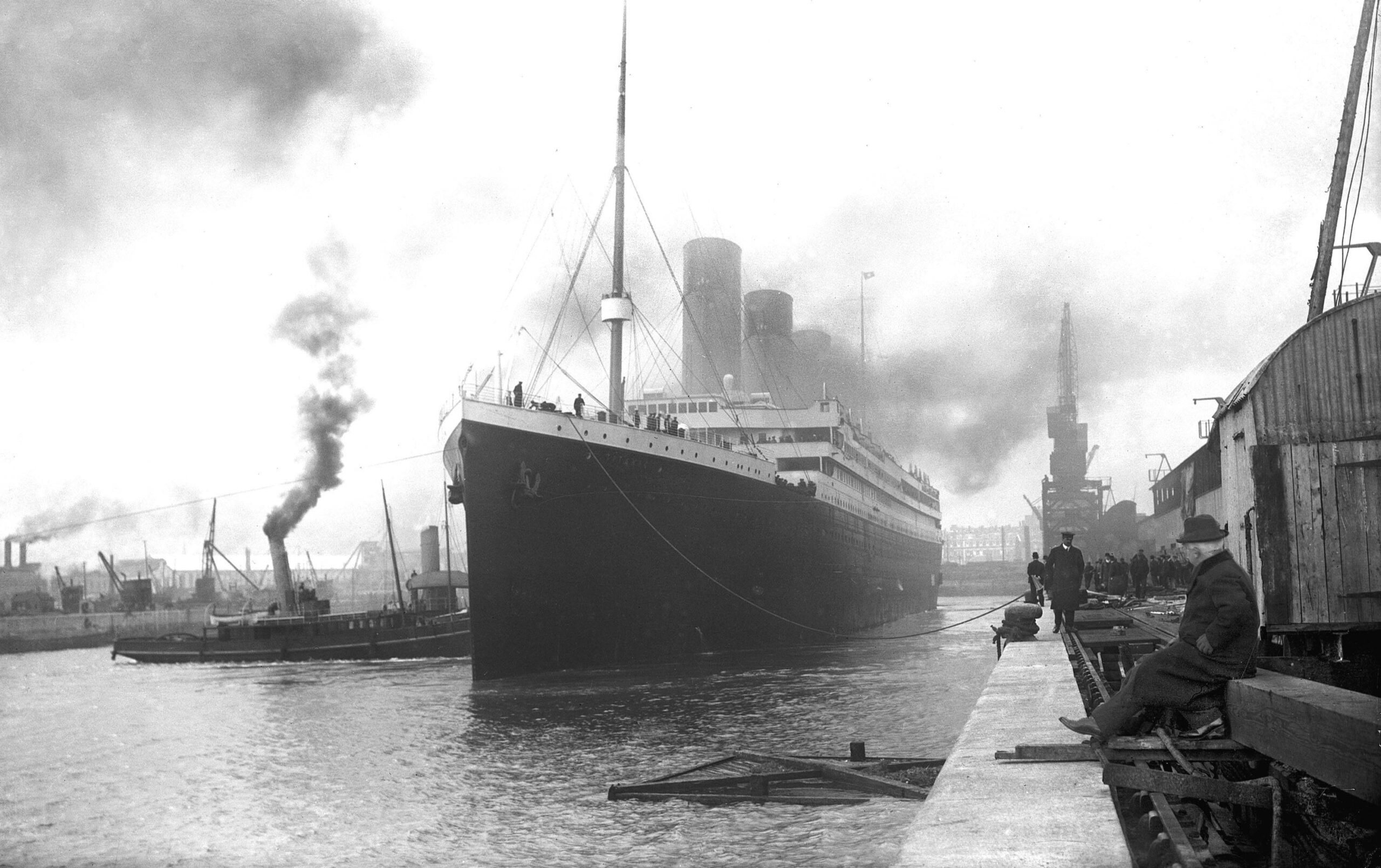
The RMS Titanic was a luxury passenger ship built in the early 1900s. It was part of the White Star Line and designed to carry over 2,000 people. At the time, it was the largest moving object ever built. People called it “unsinkable” because of its strong design and new safety features.
The Titanic had watertight compartments in its lower sections. These were meant to keep it afloat even if damaged. But this gave people a false sense of security. It had first-class rooms as fancy as any hotel, complete with grand staircases, a swimming pool, and fine dining.
Why did people think it was so safe? It had new technology, and many believed modern ships couldn’t sink like older wooden ones. But confidence doesn’t equal invincibility. When nature strikes, even giants can fall.
Just imagine boarding the Titanic back then. You’d be stepping into a floating palace, a symbol of human progress. Yet below deck, third-class passengers had very different experiences.
From the start, the ship was seen as a wonder of the age — but no one imagined it would be at the bottom of the sea within a week.
The Maiden Voyage: What Went Wrong?
The Titanic left Southampton on 10 April 1912. It was headed to New York City and stopped at Cherbourg (France) and Queenstown (Ireland) along the way. On board were some of the richest people in the world — and many poor families hoping for a better life in America.
Four days into the trip, on the night of 14 April, the Titanic struck an iceberg. It was just before midnight. Most people were asleep. The iceberg tore a long gash in the ship’s side, flooding multiple compartments.
The crew quickly realised the damage was too severe. Water was filling more sections than the ship could handle. It was a slow but unstoppable sinking.
Why didn’t they avoid the iceberg? Iceberg warnings had been received during the day, but the ship maintained a steady speed of about 22 knots. While many later criticized this as too fast for icy waters, experienced mariners understand that ships need to maintain sufficient speed for proper steering control. Still, the combination of speed, darkness, and limited lookout equipment proved fatal.
By 2:20 AM on 15 April, the Titanic had broken apart and disappeared beneath the sea. Over 1,500 lives were lost. That night became one of the darkest moments in maritime history.
The Weather That Night: Clear Skies, Deadly Cold
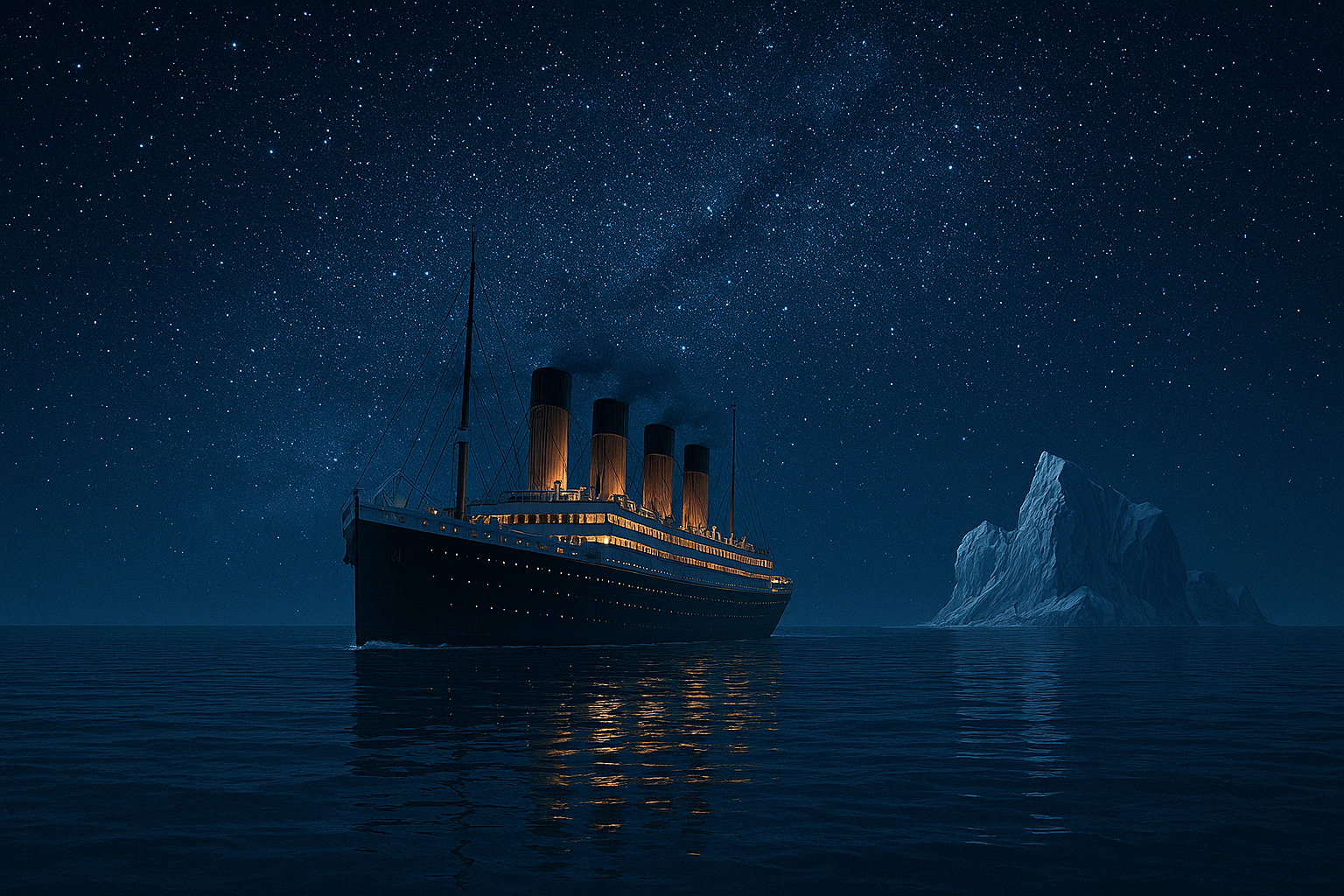
The night of 14–15 April 1912 was eerily calm and clear. Survivors of the Titanic reported that the sea was like glass — not a single wave, barely a ripple. This gave the illusion of safety but made icebergs harder to spot. Normally, waves crashing against the ice would reveal their location. Without that, the iceberg Titanic hit was almost invisible until it was too late.
The sky was cloudless, and the stars were incredibly bright. There was no moonlight, though, which made visibility even worse. It was so dark that the lookout crew couldn’t see the iceberg until it was just ahead. They didn’t have binoculars — those had been locked away by mistake.
The air temperature that night was just below freezing — around -1°C. But the real danger was the ocean. The water temperature was around -2°C (28°F), below freezing but still liquid because of its salt content.
At that temperature, a person in the sea would quickly lose the ability to move their limbs. Death from cold shock and hypothermia could occur within 15–45 minutes. Most of the people who didn’t get into lifeboats didn’t drown — they froze to death in the water.
It was the perfect storm of still seas, poor visibility, and deadly cold — a night that looked peaceful but proved fatal for over 1,500 people.
Titanic Lifeboats and Losses: Who Survived and Why?
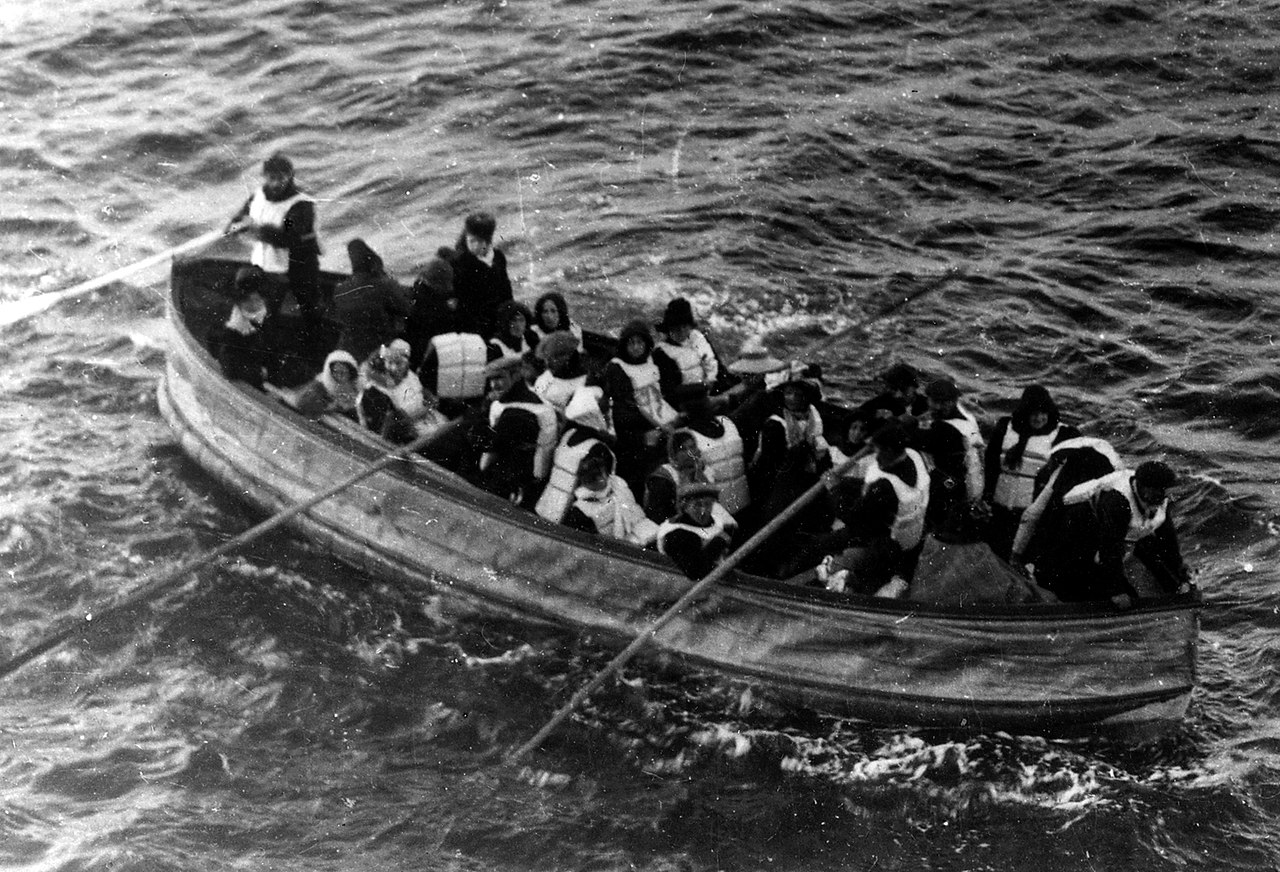
One of the most tragic parts of the RMS Titanic disaster was the lifeboat situation. The ship only had enough lifeboats for about half the people on board. That wasn’t unusual at the time — older safety rules hadn’t kept up with bigger ships.
As the Titanic sank, many lifeboats left half-full. Some passengers refused to believe the ship was really sinking. Others were separated from their families in the chaos.
Women and children were given priority, but the system wasn’t fair. Many third-class passengers couldn’t reach the deck in time. They were trapped below or couldn’t find a way out.
In the end, about 700 people survived — mostly women and children from first and second class. Around 1,500 others died, including crew members and whole families.
The disaster showed how class and poor planning could cost lives. It forced governments to update safety laws, requiring more lifeboats and proper drills.
The Titanic Wreck Site: Where Did the Ship End Up?
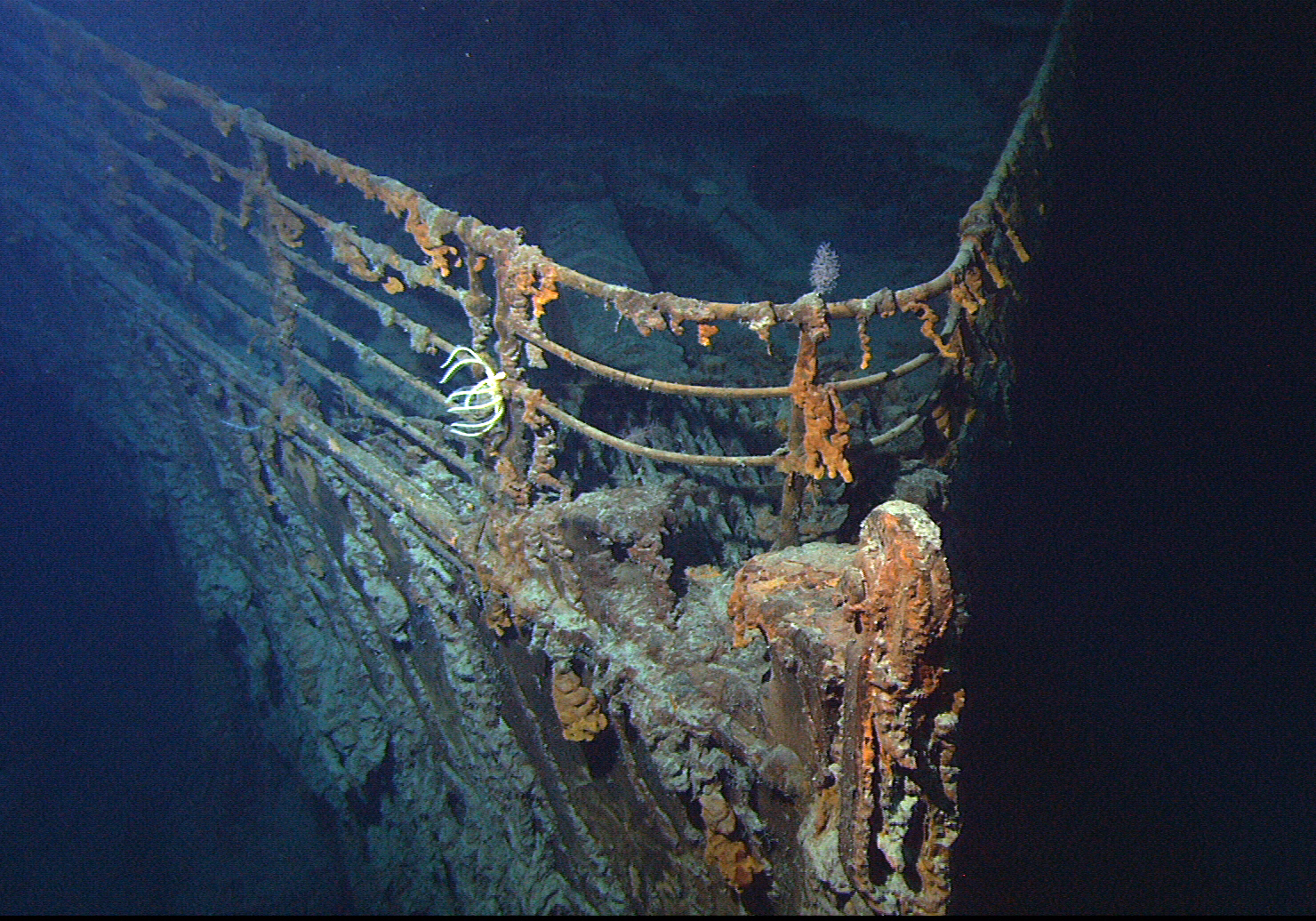
The Titanic wreck site wasn’t found until 1985. It lies about 3,800 metres (12,500 feet) deep in the North Atlantic Ocean, around 370 miles off the coast of Newfoundland, Canada.
Imagine diving deeper than any whale can swim — that’s where the Titanic rests. It broke into two main parts as it sank. The bow (front) landed upright, while the stern (back) is twisted and heavily damaged.
The wreck is surrounded by debris — suitcases, shoes, china, and pieces of metal. These silent remains tell the story of that night better than any book.
Over time, the wreck has been slowly falling apart. Tiny organisms called “rusticles” eat away at the metal. It’s a natural process, but it means the wreck won’t last forever.
Visiting the Titanic wreck site is difficult and expensive. Only a few submarines in the world can reach it. But what they’ve found has helped us understand how the Titanic sank — and what happened after it disappeared.
How the Titanic Sank: The Science Behind the Disaster
The Titanic sank because water flooded its compartments faster than expected. Each compartment was watertight on its own — but not sealed at the top. As one filled, water spilled into the next, like water pouring over the edges of boxes stacked in a stair-step pattern.
The iceberg hit the ship’s side below the waterline. It didn’t make one huge hole — instead, it caused several long, thin tears. These let in thousands of litres of freezing water every second.
Eventually, the front of the ship dipped lower, tilting the entire vessel. This caused the back end to rise. The weight of the stern was too much, and the ship cracked in half.
Think of it like snapping a pencil — the middle bends, then breaks. That’s what happened, only on a much larger scale. The front went down first, followed by the back.
Cold water and metal don’t mix well, either. Steel becomes more brittle at low temperatures, which may have made the damage worse. Even the ship’s rivets (metal pins holding the hull together) popped out in places.
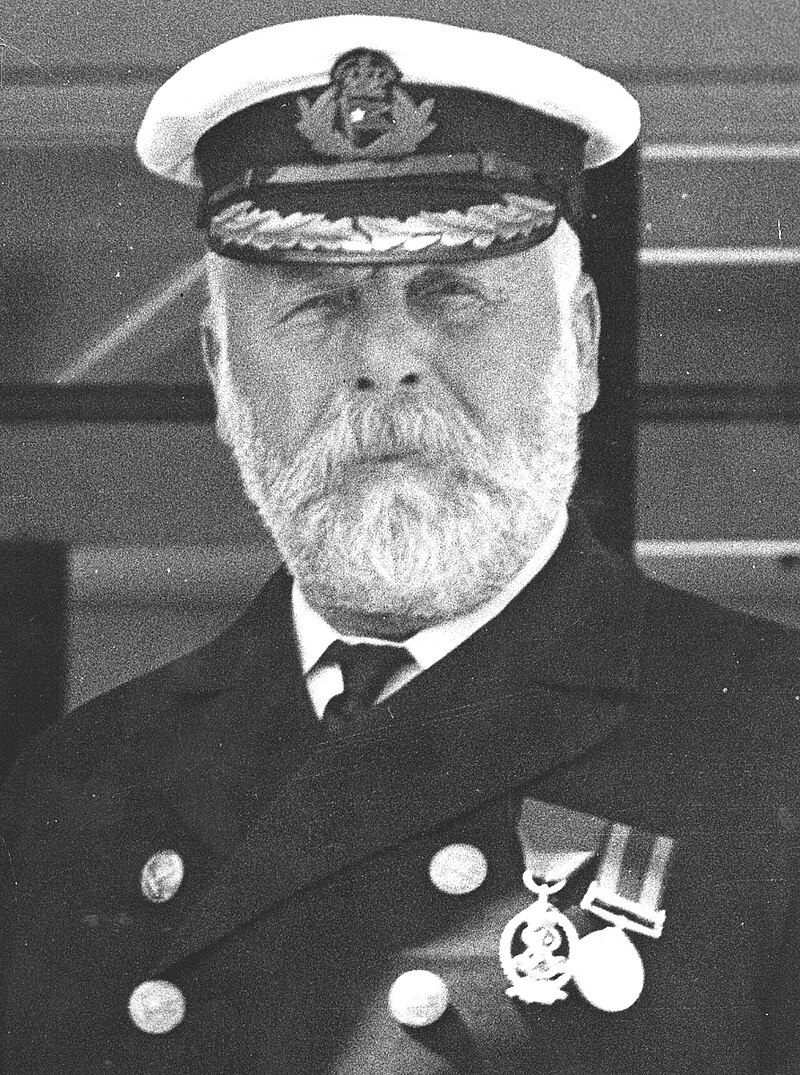
Captain Edward Smith: A Seasoned Leader in Crisis
Captain Edward John Smith was a veteran mariner with over 40 years at sea, including 27 years in command. He was the most senior captain of the White Star Line and was often chosen to helm their newest ships on maiden voyages. The Titanic was to be his final command before retirement.
On the night of the disaster, Smith was informed of the iceberg collision and quickly assessed the situation. He ordered the lifeboats to be prepared and prioritized the evacuation of women and children. Despite the chaos, he was seen assisting passengers and maintaining order.
Accounts of his final moments vary. Some witnesses reported seeing him on the bridge as the ship sank, while others claimed he was in the water near an overturned lifeboat. His body was never recovered, and his exact fate remains uncertain. Nonetheless, many regard him as having fulfilled his duty with courage and professionalism.
Smith’s legacy is complex. While some criticized his decisions, others praised his leadership during the crisis. A statue in his honour stands in Lichfield, England, commemorating his service and sacrifice.
His actions during the sinking of the Titanic continue to be a subject of study and debate, reflecting the challenges faced by those in command during unprecedented disasters.
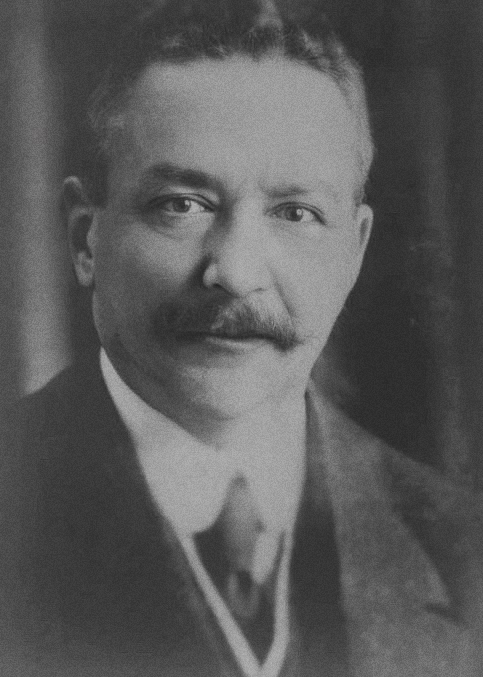
J. Bruce Ismay: The Controversial Survivor
Joseph Bruce Ismay was the chairman and managing director of the White Star Line, the company that owned the Titanic. He was instrumental in the ship’s design and was aboard during its maiden voyage.
After the collision, Ismay assisted with the evacuation and eventually boarded one of the last lifeboats, reportedly when no other passengers were nearby. His survival sparked public outrage, with many accusing him of cowardice for not perishing with the ship.
Although official inquiries cleared him of wrongdoing, the public and media vilified him. He resigned from his position and withdrew from public life, spending much of his remaining years in seclusion in Ireland. He died in 1937, never fully escaping the shadow of the disaster.
Ismay’s story serves as a cautionary tale about public perception and the burdens of leadership during crises. His actions continue to be analysed and debated by historians and the public alike.
The controversy surrounding Ismay highlights the complexities of human behaviour under extreme stress and the lasting impact of public opinion.
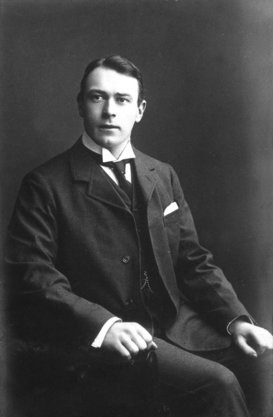
Thomas Andrews: The Titanic’s Dedicated Designer
Thomas Andrews was the chief designer of the Titanic and a managing director at Harland & Wolff, the shipbuilding company in Belfast. He was aboard the Titanic to observe its performance and recommend improvements.
After the iceberg collision, Andrews quickly assessed the damage and realized the ship was doomed. He took immediate action, urging passengers to don life jackets and directing them to lifeboats. He was seen assisting with the evacuation, helping women and children, and providing reassurance amid the chaos.
Witnesses reported that Andrews remained calm and composed throughout the ordeal. He was last seen in the first-class smoking room, without a life jacket, accepting his fate. His body was never recovered.
Andrews is remembered as a hero who prioritized the lives of others over his own. Memorials in his honour stand in Belfast and Comber, Northern Ireland, celebrating his bravery and dedication.
His selfless actions during the sinking of the Titanic exemplify the highest standards of professional and personal conduct, leaving a legacy of courage and compassion.
Titanic Survivors: What Did They Say?
Many Titanic survivors gave interviews or wrote letters describing the disaster. Their words help us understand what really happened that night.
Some recalled the moment the iceberg struck — a strange vibration, like running over something rough. Others talked about the cold, the panic, or the eerie silence after the ship disappeared.
Survivors in lifeboats described watching the Titanic break apart. They heard screams from the water, but couldn’t go back for fear their boats would capsize.
People like Margaret Brown (known later as the “Unsinkable Molly Brown”) helped others stay calm. Crew members like Harold Bride, a wireless operator, kept sending messages until the last moment.
The Titanic survivors carried emotional scars for life. Many struggled to speak about it again. Their stories are still used in documentaries and history lessons today.
The Legacy of the RMS Titanic Disaster
After the Titanic sank, people demanded change. Governments created new safety rules. Ships had to carry enough lifeboats for everyone and hold regular lifeboat drills. International ice patrols were also set up to monitor dangerous areas.
The disaster also sparked inventions. New ship designs included higher bulkheads (internal walls) and better distress signal systems. Engineers realised that no ship was truly “unsinkable.”
The Titanic became a symbol of human pride — and the dangers of ignoring warnings. It showed what happens when safety takes a back seat to luxury and speed.
Over time, the story of the Titanic became legend. But behind that legend are real people — engineers, waiters, families, and children — whose lives were forever changed.
We remember them by learning from the past and making sure we don’t repeat the same mistakes.
Exploring the Titanic Today: Science and Ethics
Scientists and explorers have visited the Titanic wreck site many times. They use submersibles — small submarines — equipped with cameras and robot arms. These dives have helped create detailed maps of the wreck.
But there’s a big debate. Should people be allowed to visit the site at all? Some say it’s a grave and should be left alone. Others believe exploring it can teach us more and honour those who died.
Recovering items from the site is also controversial. Is it archaeology — or treasure hunting? Museums display objects like shoes, clocks, and pieces of the ship, but not everyone agrees it’s right.
Technology has even allowed 3D models of the wreck to be made. These let people explore it virtually, without disturbing the site.
The Titanic isn’t just a shipwreck — it’s part of human history. How we treat it says a lot about what we value and how we remember the past.
A Final Thought
The sinking of the Titanic wasn’t just a tragic accident. It was a powerful lesson in human pride, technology, and the cost of poor planning. The wreck that remains reminds us that even our greatest creations have limits.
Quick Quiz
When and where did the Titanic sink?
Why did so many lifeboats go out half-empty?
What caused the Titanic to break in half?
Why is the Titanic wreck site difficult to reach?
What changes were made after the Titanic disaster?
Write your answers in the comment section below.
Related Wikipedia Links
Explore these links to learn more about the Titanic: