Hello Alan Lloyd - Your Scores - Logout

The Most Dangerous Volcanoes in the World!

The Most Dangerous Volcanoes in the World!

Some volcanoes around the world are known for their deadly eruptions and unpredictable behaviour. From Mount Vesuvius to Mount St. Helens, these fiery mountains have changed landscapes and lives. Learn about the most dangerous volcanoes and how scientists try to keep people safe.
The Most Dangerous Volcanoes in the World!
By Cyrus Read
This topic is part of our Info Zone collection. You can read the full topic, once logged in, here: The Most Dangerous Volcanoes in the World!. You’ll also find a full Lesson Plan and a handy Parent Q & A Sheet ready to use.

What is a Volcano?

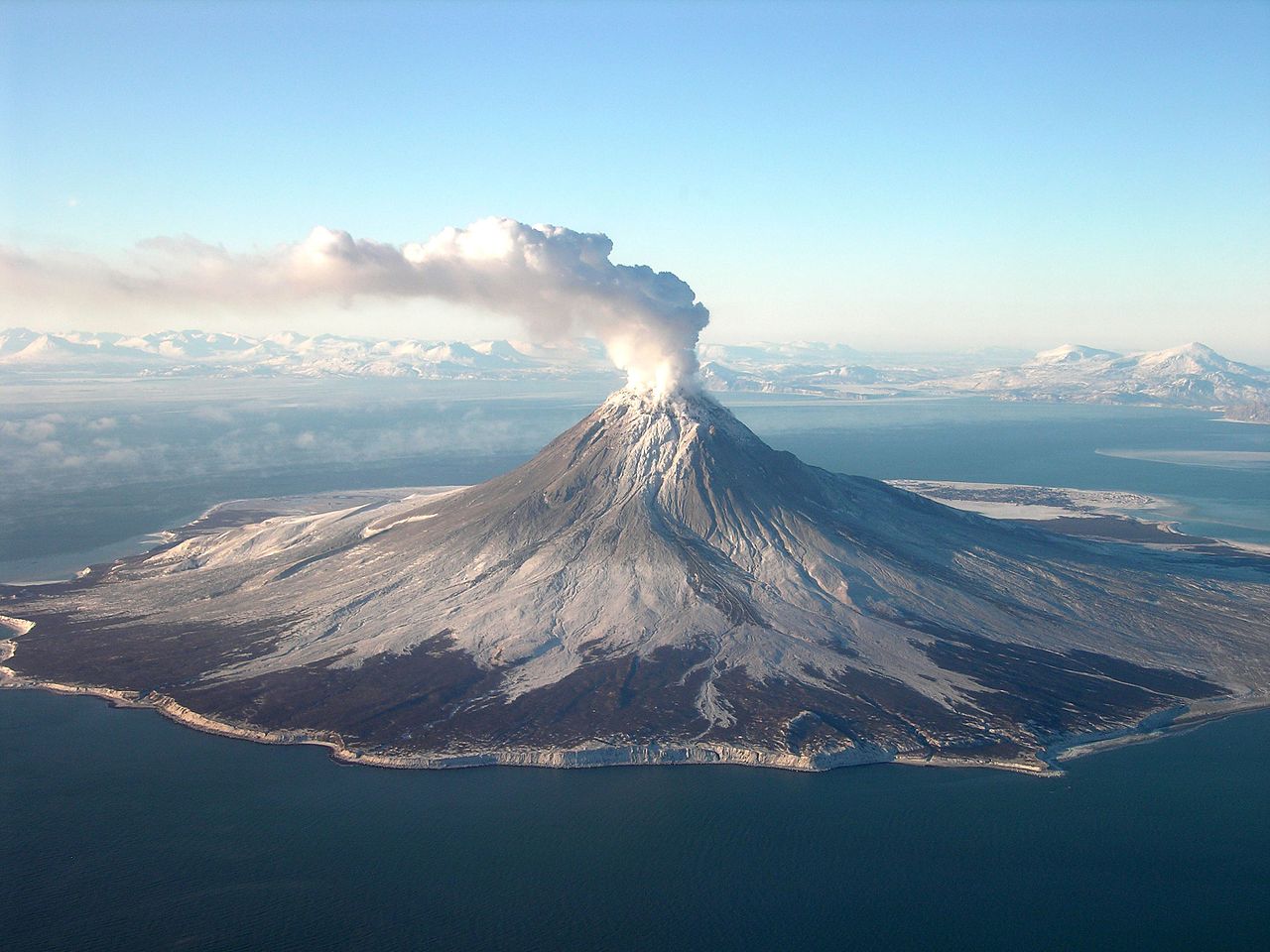
A volcano is like a chimney for the Earth’s hot, melted rock called magma. When the pressure builds up inside the Earth, the magma escapes through cracks, exploding out of the top.

When magma reaches the surface, it is called lava. Lava can be scorching hot, as hot as 1,200 degrees Celsius! Volcanoes come in all shapes and sizes. Some look like tall mountains with pointy tops, while others are flatter but just as dangerous.

Not all volcanoes erupt with a big bang. Some ooze lava gently, while others explode with ash and gas shooting high into the sky. There are around 1,500 active volcanoes in the world today. An active volcano is one that could still erupt.


Why Are Some Volcanoes So Dangerous?

Not all volcanoes are equally risky. Some are more dangerous because of how often they erupt, how powerful they are, or how many people live nearby. Imagine living next to a volcano without knowing when it might erupt — that’s scary!

Explosive volcanoes often produce pyroclastic flows. These are fast-moving clouds of hot gas, ash, and rock that can destroy anything in their path. Some volcanoes also cause landslides, earthquakes, and even tsunamis. These dangers make certain volcanoes a big worry for scientists and people living nearby.


Mount Vesuvius – The Pompeii Destroyer

Mount Vesuvius, in Italy, is one of the most famous and dangerous volcanoes in the world. It erupted in AD 79, burying the Roman cities of Pompeii and Herculaneum under ash and pumice.

The eruption was so sudden that people were caught by surprise, and many were trapped in their homes. Archaeologists later found skeletons still in the positions where people died. Today, millions of people live near Mount Vesuvius. Scientists keep a close eye on it, but nobody knows when it might erupt again.

The last eruption was in 1944, and Vesuvius is still considered very dangerous.


Mount St. Helens – America’s Explosive Giant

Mount St. Helens, in Washington State, USA, is known for its massive eruption in 1980. Before the eruption, the volcano looked like a perfect cone-shaped mountain. Then, one side of the mountain collapsed, causing a huge landslide followed by a powerful explosion.

The eruption sent ash 24 kilometres into the sky and flattened forests for kilometres around. Lava didn’t even play the biggest role; it was the blast and ash clouds that caused most of the destruction. Luckily, scientists had warned people, so many lives were saved, but the damage to nature was huge.

Mount Etna – Europe’s Most Active Volcano

Mount Etna, located in Sicily, Italy, is the most active volcano in Europe. It erupts so often that people have almost gotten used to it! Instead of giant explosions, Etna usually lets out rivers of lava that flow down its slopes. Still, this volcano is no joke.

Etna has destroyed towns, roads, and farmland many times throughout history. Even though it erupts regularly, people still live nearby because the volcanic soil is excellent for growing crops like grapes and olives.

Scientists constantly monitor Etna to make sure everyone stays as safe as possible.


Krakatoa – The Loudest Eruption Ever Recorded

In 1883, Krakatoa, a volcano in Indonesia, exploded with one of the loudest sounds ever heard on Earth. The eruption was so powerful that people heard it over 4,800 kilometres away!

The blast caused a huge tsunami, reaching heights of up to 40 metres, which flooded coastal villages and took thousands of lives. The explosion also threw ash high into the atmosphere, making sunsets around the world turn bright red for months.

Krakatoa is still active today, with a new volcano called Anak Krakatoa (which means “Child of Krakatoa”) growing where the old one collapsed.


Mount Fuji – Japan’s Iconic Volcano

Mount Fuji is not only Japan’s tallest mountain but also its most famous volcano. It has a beautiful snow-capped peak and is visited by millions of people every year.

However, Mount Fuji is still an active volcano. Its last eruption was in 1707, during the Edo period. The eruption covered Tokyo (then called Edo) with ash. Scientists believe that Fuji could erupt again.

Because Tokyo is nearby and home to millions of people, any future eruption could be very serious. For now, Fuji stays calm, but it is closely watched by experts.


Nevado del Ruiz – The Sleeping Danger

Nevado del Ruiz is a volcano in Colombia that proved how deadly volcanoes can be, even when they don’t seem very active. In 1985, it erupted with a small explosion, but it melted a huge amount of ice on its summit.

The melted ice mixed with volcanic ash and rock, creating a deadly mudflow called a lahar. The lahar buried the town of Armero and killed more than 23,000 people. Today, Nevado del Ruiz is still active, and people now have better warning systems to help prevent such a tragedy from happening again.


Mauna Loa – The Gentle Giant

Mauna Loa, in Hawaii, is the world’s largest volcano by size. It covers half of the Big Island of Hawaii! Mauna Loa does not usually erupt explosively.

Instead, it oozes lava slowly down its slopes, giving people more time to get to safety. However, because of its size, even slow-moving lava can cause a lot of damage.

The volcano last erupted in 2022 after being quiet for almost 40 years. Scientists are always watching Mauna Loa, as even gentle giants can surprise us.


Eyjafjallajökull – The Name No One Can Pronounce

In 2010, Eyjafjallajökull, a volcano in Iceland, erupted and caused big problems — not because it was the most powerful, but because it sent huge clouds of ash into the sky. The ash cloud travelled all over Europe and grounded thousands of flights for weeks.

Can you imagine all those people stuck in airports? Although the eruption wasn’t as deadly as others, it showed how volcanoes can affect people far away, not just those who live nearby. Fun fact: even newsreaders struggled to pronounce Eyjafjallajökull’s name!


Mount Merapi – Indonesia’s Fire Mountain

Mount Merapi, which means “Mountain of Fire,” is one of Indonesia’s most active and dangerous volcanoes. It has erupted regularly for centuries, sometimes with deadly results.

Its 2010 eruption was particularly violent, sending pyroclastic flows rushing down its slopes and forcing tens of thousands of people to evacuate.

Many people still live on or near Mount Merapi because the land is fertile and good for farming. Scientists work hard to give warnings, but the volcano often gives little time to escape.


Mount Pinatubo – The Climate Changer

Mount Pinatubo, in the Philippines, exploded in 1991 with one of the biggest eruptions of the 20th century. The eruption blasted ash and gas high into the atmosphere, cooling the Earth by about 0.5 degrees Celsius for a few years!

The ash cloud spread around the globe, creating colourful sunsets and affecting weather patterns. The eruption also caused mudflows, called lahars, that destroyed homes and farmland.

Thanks to early warnings, many people were able to evacuate and survive, but the damage to the environment lasted for years.


Popocatépetl – Mexico’s Smoking Mountain

Popocatépetl, or “El Popo” as locals call it, is one of Mexico’s most famous and active volcanoes. It is often seen puffing smoke into the sky, reminding everyone that it is very much alive.

Popocatépetl has erupted many times, with its most recent activity starting again in the 1990s and continuing today. Because it is close to Mexico City, scientists keep a very close eye on it.

Ash from Popocatépetl often causes problems like closing airports and covering towns in dust.


Yellowstone – The Supervolcano

Yellowstone, in the USA, isn’t just a volcano; it’s a supervolcano. This means it could have eruptions thousands of times more powerful than normal volcanoes.

Yellowstone hasn’t erupted for over 600,000 years, but signs like earthquakes and hot springs show that it’s still active. Scientists study Yellowstone carefully to understand its behaviour.

Don’t worry too much, though — supervolcano eruptions are extremely rare, and there’s no sign that Yellowstone will erupt anytime soon.


Can We Predict Volcano Eruptions?

Scientists, called volcanologists, use special equipment to watch volcanoes. They look for clues like earthquakes, gas leaks, and changes in the shape of the ground. These signs help them guess when a volcano might erupt.

However, volcanoes don’t follow schedules. Sometimes they give plenty of warning, and other times they erupt without much notice. Even with all the technology we have today, predicting the exact time and strength of an eruption is still very tricky.


Staying Safe Near Volcanoes

People who live near volcanoes need to be prepared. Many countries have emergency plans and warning systems to help people evacuate in time. Volcanic eruptions are dangerous, but by learning about them and being ready, people can stay much safer.

Scientists continue to study volcanoes to make better predictions and save lives.


Why Do People Live Near Volcanoes?

You might wonder why people would live near such dangerous places. Volcanoes often make the land around them very fertile, perfect for farming.

Many communities depend on volcanoes for their livelihoods. Also, some volcanoes are tourist attractions, bringing money to local areas. People have learned to live with volcanoes for thousands of years, balancing the benefits with the risks.


What Do You Remember?

  1. What makes some volcanoes more dangerous than others?

  2. What happened when Mount Vesuvius erupted in AD 79?

  3. Why did Mount Pinatubo’s eruption cool the Earth’s temperature?

  4. What is a lahar, and which volcano caused one in Colombia?

  5. What do scientists look for when predicting volcanic eruptions?

Write your answers in the comment section below.#


Related Topics

If you enjoyed learning about volcanoes, you might also want to discover more about earthquakes, tsunamis, and other natural disasters. You could also learn how scientists study the Earth’s crust to predict these events.

Learn more:
https://en.wikipedia.org/wiki/Volcano
https://en.wikipedia.org/wiki/List_of_volcanic_eruptions_by_death_toll


What Do You Think?

If you found this to be an interesting topic, why not have your say. Or if you can think of ways we could improve it. We would love to know what you learned and more importantly, what you think. So now is your chance, use the comments section below to let us know your thoughts.”

Leave a comment


'; // Add header content for print html += '

Lenara Learning

Get more learning resources at www.lenara.uk

'; // Insert the worksheet content html += '
' + content + '
'; html += ''; printWindow.document.write(html); printWindow.document.close(); printWindow.focus(); // Trigger printing and auto-close the popup printWindow.print(); printWindow.onafterprint = function() { printWindow.close(); }; setTimeout(function() { printWindow.close(); }, 1500); }