
Condoms: How They Work & Why They Matter
Condoms: How They Work & Why They Matter
Condoms are stretchy covers that help stop unwanted pregnancies and protect against infections during sex. They’re easy to use, don’t cost much, and can keep both partners safer. They come in different sizes, colours, and even flavours, but they all have the same job. Learning about condoms is part of growing up and staying healthy.
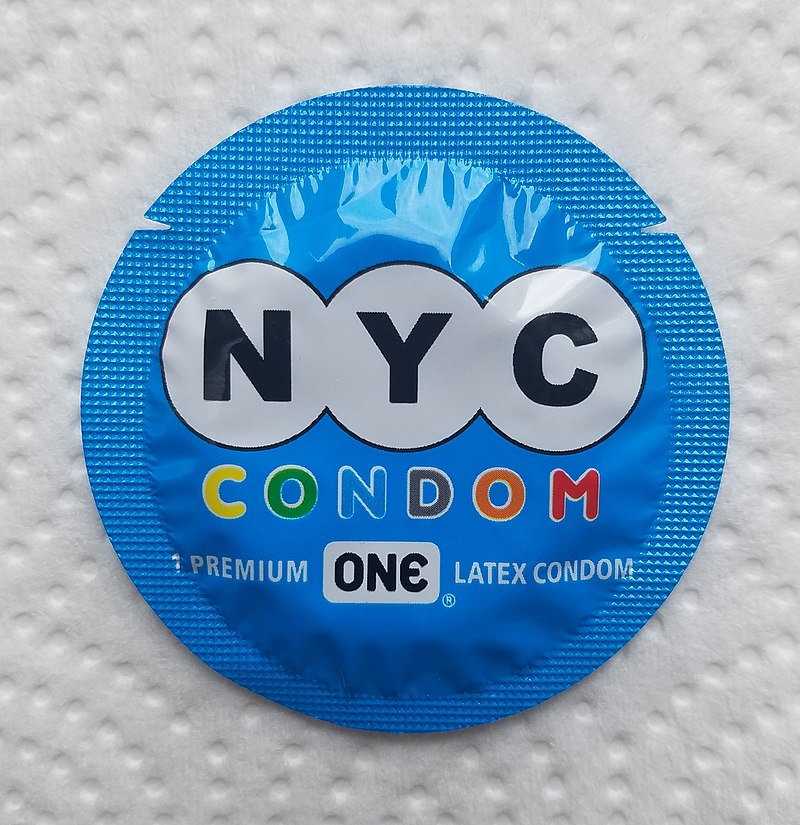
What Is a Condom?
A condom is a thin, stretchy cover usually made of latex, polyurethane, or polyisoprene. It’s worn over the penis during sex to stop sperm from reaching the egg. Some condoms are made for people with vaginas too and are called internal condoms.
Condoms are one of the only types of protection that also stop sexually transmitted infections (STIs) as well as pregnancy. That makes them extra important. You can buy them in shops, get them free from clinics, or order them online. They’re small enough to fit in your pocket, but they do a big job. Some people even carry them in their wallets—just make sure they don’t get squashed! Using a condom is a smart way to show you care about your own health and someone else’s too.
How Do Condoms Work?
Condoms work like a barrier. They stop sperm from getting into the body where an egg might be waiting. When used properly, condoms are about 98% effective. That means out of 100 people who use them correctly every time, only two might still get pregnant.
They also catch any bacteria or viruses that can pass from one person to another. This includes things like HIV, chlamydia, and gonorrhoea. Condoms are a bit like goalkeepers—they stop things getting past them. And just like in football, using them properly is the key to success!
Why Are Condoms Important?
Condoms protect your health and your future. They help people stay safe, stop unwanted pregnancies, and reduce the spread of infections. If two people trust each other and want to be close, using a condom shows respect and responsibility. In relationships, it’s important to care about each other’s bodies and choices.
Condoms also give peace of mind, so people can relax and enjoy themselves safely. Talking about them might feel awkward at first, but it gets easier the more you learn. The more we know, the more confident we become in making good decisions.
Are Condoms Easy to Use?
Yes! They come with instructions and only take a few seconds to put on. The most important thing is to check the expiry date and never use a damaged packet. There’s usually a little tear notch at the top of the wrapper—don’t use scissors or teeth!
Once the packet is open, squeeze the tip of the condom to leave room for the sperm, and roll it down the penis before any contact happens. Afterwards, take it off carefully, tie a knot in it, and throw it in the bin. Don’t flush it down the toilet or you might block the pipes—yuck!
Different Types of Condoms
Not all condoms are the same! Some are super-thin for more feeling, others are extra-strong just in case. You can get flavoured ones, textured ones, and even glow-in-the-dark ones! There are vegan condoms too, made without animal products.
Some have spermicide (a chemical that kills sperm), but not everyone likes those. The important thing is to find one that fits well and feels comfortable. Like choosing shoes, the right fit makes all the difference.
What If a Condom Breaks?
Sometimes accidents happen. If a condom breaks during sex, it’s important to act quickly. You can visit a local pharmacy or sexual health clinic to get emergency contraception.
You should also get tested for STIs just in case. Don’t panic—help is available, and professionals won’t judge you. The best thing is to always be prepared and use condoms properly from the start. Learning what to do in these moments is part of becoming more confident and responsible.
Do Condoms Affect Pleasure?
Some people worry that condoms might spoil the mood, but many say they hardly notice them. In fact, knowing you’re protected can make things more relaxed and enjoyable. There are even condoms designed to increase sensation. Communication between partners is key—talking about what feels good helps make the experience better for both people. Safe can still be satisfying!
Where Can You Get Condoms?
In the UK, condoms are available for free at sexual health clinics, GPs, some schools, and youth clubs. They’re also sold in supermarkets, chemists, and vending machines. Some websites even deliver them straight to your door.
The NHS C-Card scheme lets young people get free condoms after a quick chat with a nurse or trained worker. Everyone has the right to stay safe, and that includes access to contraception.
Talking About Condoms
It’s okay to feel a bit shy when talking about condoms. But remember, everyone has questions! Asking a trusted adult, doctor, or nurse can really help. Schools often include this topic in lessons about health and relationships.
Talking openly means fewer myths and more confidence. The more we learn, the better choices we can make. And don’t worry, you’re not the only one curious about this stuff!
Condom Myths Busted
Some people believe things about condoms that just aren’t true. Like “you don’t need one the first time”—wrong! STIs and pregnancy can happen any time. Others think condoms always break—again, not true if used correctly.
And no, they don’t get stuck inside you. Learning the facts helps everyone stay safe and avoid embarrassment. Knowledge is power, and sometimes, it even saves lives.
Using Condoms With Other Birth Control
Condoms can be used with other types of birth control, like the pill or implant. This gives extra protection and peace of mind. But don’t use two condoms at once—friction can cause them to tear. One condom is enough, as long as it’s used properly. Combining methods means double the safety, not double the hassle!
Helping Each Other Stay Safe
In a good relationship, both people look out for each other. That includes using protection and respecting each other’s choices. No one should ever feel pressured into doing anything they don’t want to do. Using condoms is a shared responsibility and a sign of care. It shows you’re thinking about your partner as well as yourself.
It’s Okay To Ask for Help
If you’re worried, confused, or just have questions, there are people who can help. In the UK, you can talk to Brook (brook.org.uk), the NHS (nhs.uk), or Childline (0800 1111). These places offer free, private advice without judgement. No question is too silly—if it’s on your mind, it matters. Knowing where to turn for help is part of staying safe and confident.
Condoms Matter
Condoms might be small, but they play a big role in keeping people healthy and in control. They protect against both pregnancy and STIs, and they’re easy to use when you know how. Talking about condoms helps everyone feel more informed and ready to make smart decisions. So whether you’re learning for yourself or just being curious, knowing how condoms work is a great step forward.
What Do You Remember?
What are condoms made from, and what do they do?
Why is it important to use a condom properly every time?
What should you do if a condom breaks?
Can you use two condoms at the same time?
Where can young people get free condoms in the UK?
Write your answers in the comment section below.
Related Topics
If you found this article helpful, you might also want to learn more about how the human body works, puberty, healthy relationships, and other ways to stay safe during sex. Knowing the facts helps you take charge of your health and make better decisions.
Learn more:
https://en.wikipedia.org/wiki/Condom
https://en.wikipedia.org/wiki/Sexual_health
What Do You Think?
If you found this to be an interesting topic, why not have your say. Or if you can think of ways we could improve it. We would love to know what you learned and more importantly, what you think. So now is your chance, use the comments section below to let us know your thoughts.