What Does CPU Stand For – And Why Is It Important?
What Does CPU Stand For – And Why Is It Important?
The Central Processing Unit (CPU) is the brain of a computer, processing instructions and data to make everything function smoothly.Without it, computers wouldn’t be able to run programs or perform tasks.
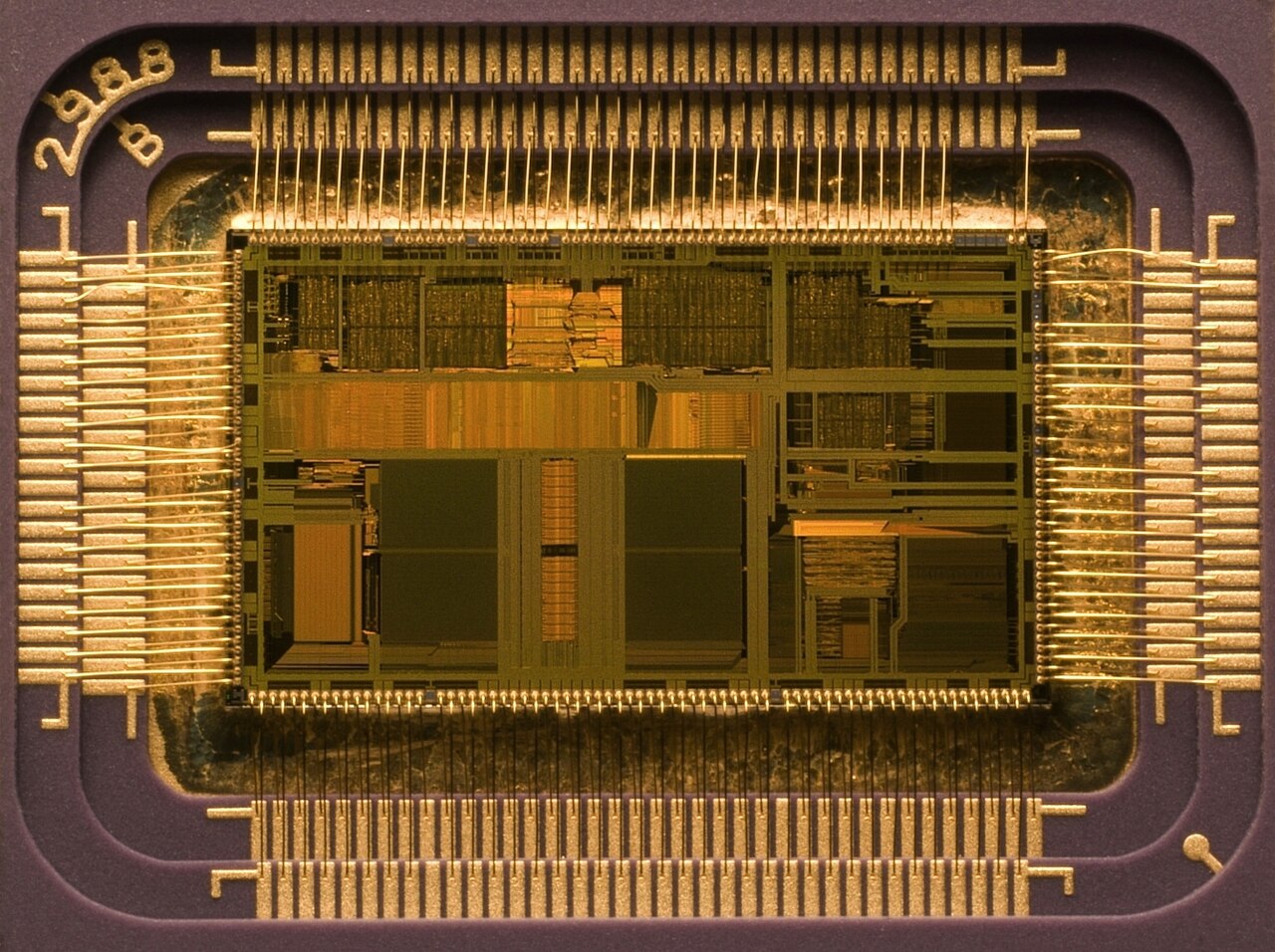
What Does CPU Stand For – And Why Is It Important?
Imagine your computer as a bustling city.At the heart of this city lies the Central Processing Unit, or CPU, acting as the city’s mayor, ensuring everything runs efficiently and in harmony.But what exactly does the CPU do, and why is it so crucial?
The Brain of the Computer
Just as our brains process information and make decisions, the CPU processes instructions and data, making it the brain of the computer.Every action you perform on a computer, from typing a letter to playing a game, relies on the CPU’s ability to process and execute commands.
How Does the CPU Work?
The CPU operates through a cycle of fetching, decoding, and executing instructions:
Fetching:The CPU retrieves an instruction from the computer’s memory
Decoding:It interprets what the instruction means.
Executing:It carries out the instruction, whether it’s performing a calculation or moving data.
This cycle happens at incredible speeds, allowing computers to perform complex tasks in the blink of an eye.
Key Components of the CPU
The CPU comprises several vital parts:
Control Unit (CU):Directs the operation of the processor by telling the computer’s memory, arithmetic/logic unit, and input and output devices how to respond to the instructions received.
Arithmetic Logic Unit (ALU):Handles all arithmetic operations (like addition and subtraction) and logical operations (such as comparing numbers)
Registers:Small storage locations within the CPU that temporarily hold data and instructions during processing
Why Is the CPU So Important?
Without the CPU, a computer wouldn’t know how to run programs or process data.It’s essential for performing calculations, making decisions, and managing the flow of information within the system.In essence, the CPU is what makes a computer functional.
Evolution of the CPU
The journey of the CPU began with the Intel 4004 in 1971, the first commercially produced microprocessor.Since then, CPUs have become faster and more efficient, enabling the development of modern computers, smartphones, and other digital devices.
Fun Fact: Multi-Core Processors
Modern CPUs often contain multiple cores, meaning they have several processing units within a single chip.This allows computers to perform multiple tasks simultaneously, enhancing performance and efficiency.
In Conclusion
The CPU is a small yet mighty component that plays a pivotal role in the functioning of computers.Understanding its purpose and operation helps us appreciate the incredible technology that powers our digital world.
Learn More: