How Is Electricity Generated: It’s Getting Steamy Baby..
How Is Electricity Generated: It's Getting Steamy Baby..
Most of the electricity we use comes from heating water into steam! That steam spins huge turbines which generate power. Whether it’s coal, gas, nuclear, or even the sun – it’s often steam doing the heavy lifting. So next time you flick a light switch, remember: it’s getting steamy, baby!
[cl_logged_in]
What Is Electricity, Anyway?
Electricity is a form of energy that powers the world around us. It lights our homes, charges our phones, runs our schools, and keeps our fridges cold. But what exactly is it? Electricity is made by tiny particles called electrons moving through wires. When these electrons flow, they create electric current. You can’t see electrons, but they’re always zipping around doing their job. Think of electricity like a river of energy flowing through a circuit. Without it, we wouldn’t have TVs, computers, or even toast in the morning!
Where Does Electricity Come From?
Electricity doesn’t just appear out of nowhere—it has to be generated. Power stations are special places where electricity is made. These stations use different fuels to heat water and turn it into steam. That steam then spins massive blades called turbines. When turbines spin, they power generators, and that creates electricity. It’s a clever system that turns heat into movement, and movement into power. Whether it’s fossil fuels, nuclear energy, or even rubbish being burned, it often starts the same way—by getting steamy!
Steam: The Secret Hero
Let’s talk about steam. Yes, the stuff that comes out of a kettle! Steam might not seem powerful, but it has the strength to turn metal blades the size of buses. When water is heated to boiling point, it turns into steam and expands quickly. That rushing steam is pushed through turbines, making them spin super fast. This spinning is what makes electricity in most power plants. Without steam, most of the world’s power wouldn’t exist. It might be invisible, but steam is seriously strong!
Fossil Fuels and Steam
Coal, oil, and natural gas are fossil fuels used in many power plants. They’re burned to heat water, which creates—you guessed it—steam! These fuels come from plants and animals that died millions of years ago. When they burn, they release lots of energy, which boils water into steam. The steam then spins the turbines and generates electricity. The problem is, burning fossil fuels also releases pollution and greenhouse gases. That’s why scientists are looking for cleaner ways to get steamy!
Nuclear Power: Super Steamy Science
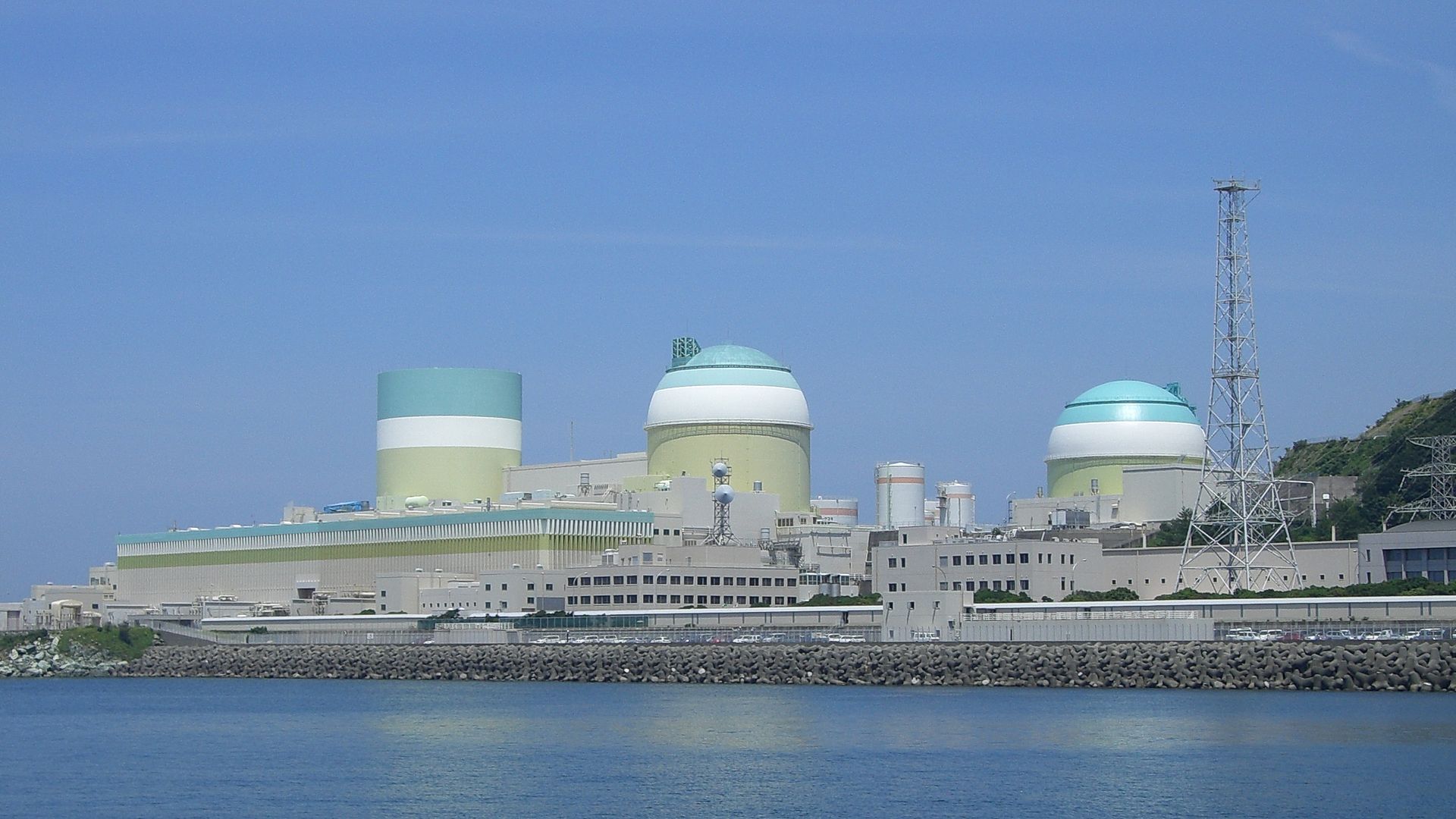
Nuclear power stations work in a different way, but they still rely on steam. Instead of burning fuel, they split atoms in a process called nuclear fission. This releases a massive amount of heat. That heat turns water into high-pressure steam, which powers turbines just like in a fossil fuel plant. The difference is, nuclear power doesn’t release greenhouse gases. But it does produce radioactive waste, which needs to be handled carefully. Even with all that science, it still comes down to spinning turbines with steam!
Renewable Energy and Steam
Some renewable energy sources also use steam. For example, solar thermal plants use mirrors to focus sunlight on water pipes. The water heats up, turns into steam, and spins turbines. Geothermal plants tap into hot underground rocks that naturally create steam. Even volcanoes can help generate electricity this way! These methods are cleaner and better for the planet, but they still rely on the power of steam. Isn’t it amazing how nature can help boil water and light our homes?
Turbines: The Spinners of Power
Turbines are like giant fans, but instead of blowing air, they’re spun by steam. When steam rushes through the blades, it makes the turbine spin very fast. This spinning is connected to a generator, which creates electricity. The faster the turbine spins, the more electricity is made. Some turbines are as tall as buildings and spin thousands of times a minute! So next time you see a fan, remember that something similar helps power entire cities.
Generators: The Electricity Makers
The turbine is only part of the story—the real electricity comes from the generator. Inside a generator are magnets and coils of wire. When the turbine spins, it turns the magnet inside the coils. This movement causes electrons to flow, and that’s how electricity is born! Generators can be small, like the ones in wind-up torches, or massive, like the ones in power stations. But they all work in a similar way: spinning something to get the electrons moving.
Power Stations and the National Grid
Once electricity is made, it needs to get to our homes. This is where the National Grid comes in. It’s a huge network of cables, pylons, and transformers that carry electricity all over the country. After leaving the power station, electricity travels through high-voltage lines. These are reduced in power by transformers before they reach your house. It’s a long journey, but it only takes seconds. That’s how you get power with the flick of a switch!
Hydropower and Wind: No Steam Needed
Not all electricity is made with steam. Hydropower uses flowing water to spin turbines directly. Wind turbines use air movement to turn giant blades. These methods skip the steam step altogether. They’re clean, renewable, and don’t pollute the air. But steam still rules the world when it comes to the amount of electricity made today. Around 80% of the world’s power still comes from methods that involve boiling water and spinning turbines with steam.
Why We Still Rely on Steam
You might wonder, why don’t we switch to wind and solar right away? The answer is: it’s not that easy. Wind doesn’t always blow, and the sun doesn’t always shine. Steam-based systems are reliable, powerful, and already built. Building new systems takes time and money. That’s why many countries still use steam power while slowly adding more renewable options. So for now, steam is still king of the electricity world.
Pollution and the Planet
The downside of steam from fossil fuels is pollution. Burning coal and gas produces carbon dioxide, which contributes to climate change. It also creates smoke and harmful chemicals that affect air quality. That’s why scientists and engineers are working hard to make cleaner power. Some power stations now capture carbon dioxide before it reaches the air. Others are switching to biofuels or waste to create steam more sustainably. It’s all about getting steamy in smarter ways.
The Future of Electricity
In the future, we’ll likely see more clean energy that doesn’t rely on pollution. Solar panels, wind turbines, and even hydrogen could become more common. But steam may still play a role in new ways, like using molten salt or concentrating solar energy. Technology is changing fast, and so is how we generate electricity. But one thing’s for sure—understanding steam power is still super important for powering our world.
What Can You Do?
Even if you’re not running a power station, you can still help. Turning off lights, unplugging chargers, and using energy-efficient bulbs can make a difference. Learning about how electricity is made helps you appreciate where it comes from. It also helps you understand why we need cleaner, smarter solutions. So the next time you boil a kettle, just remember—you’re using the same science that powers entire cities!
So, How Is Electricity Generated: It’s Getting Steamy Baby..
Now you know! Most electricity is made by boiling water into steam and using that steam to spin turbines. Whether it’s fossil fuels, nuclear power, or even the sun, steam is the secret ingredient in most electricity recipes. It might sound simple, but it’s powerful stuff. So next time someone asks where electricity comes from, just smile and say: “It’s getting steamy, baby!”
What Do You Remember?
What is electricity made of?
How does steam help create electricity?
Name two types of power stations that use steam.
Why is it hard to switch completely to renewable energy?
What part of a power station actually generates the electricity?
Related Topics
If you found this article exciting, there’s plenty more to learn about how our world is powered. You might enjoy finding out how wind turbines work or how nuclear energy is made. You could also explore what causes climate change and why renewable energy is so important for our planet’s future.
Learn more
https://en.wikipedia.org/wiki/Electricity_generation
https://en.wikipedia.org/wiki/Steam_turbine
[/cl_logged_in]
[cl_logged_out]
Members Only
You need to be registered and logged in to access this learning resource and other member only content. It only costs £1.99
[/cl_logged_out]