10 Most Notorious Serial Killers in History (Lesson Plan)
10 Most Notorious Serial Killers in History

This home education lesson plan explores ten of history’s most notorious killers. Learners will investigate their crimes, understand psychological profiles, and discover how forensic science helps catch serial offenders. With mini-tasks, discussion questions, and a quiz, it’s a complete guide for curious minds aged 8–16.
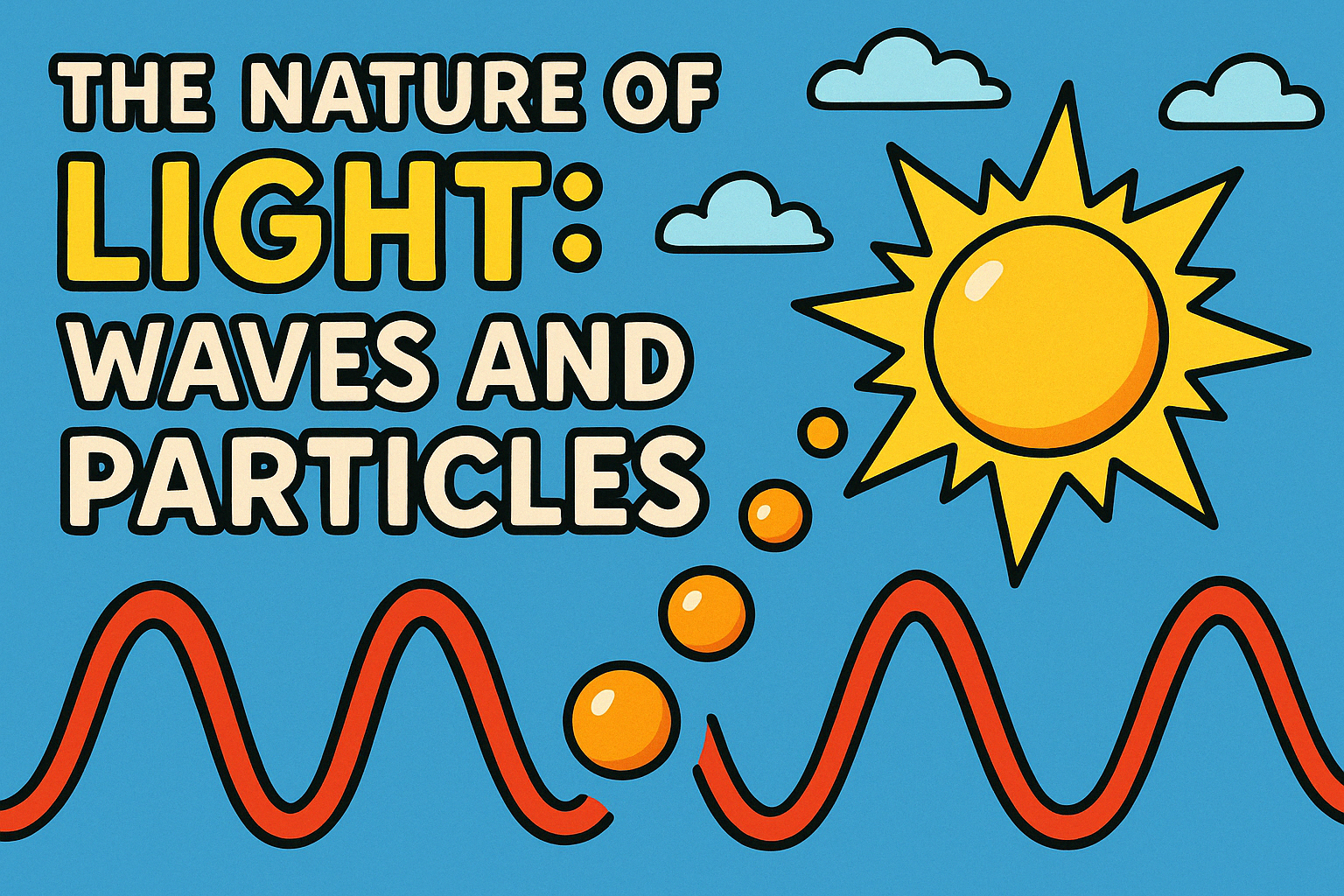
The Nature of Light: Waves and Particles (Lesson Plan)

The Nature of Light: Waves and Particles

This light particles lesson plan helps you support your child in understanding light’s wave–particle duality. It breaks down complex ideas like photon behaviour, wave interference, and real-life applications in a structured, parent-friendly way. Through discussion, tasks, and reflection, learners explore how modern physics explains the true nature of light.

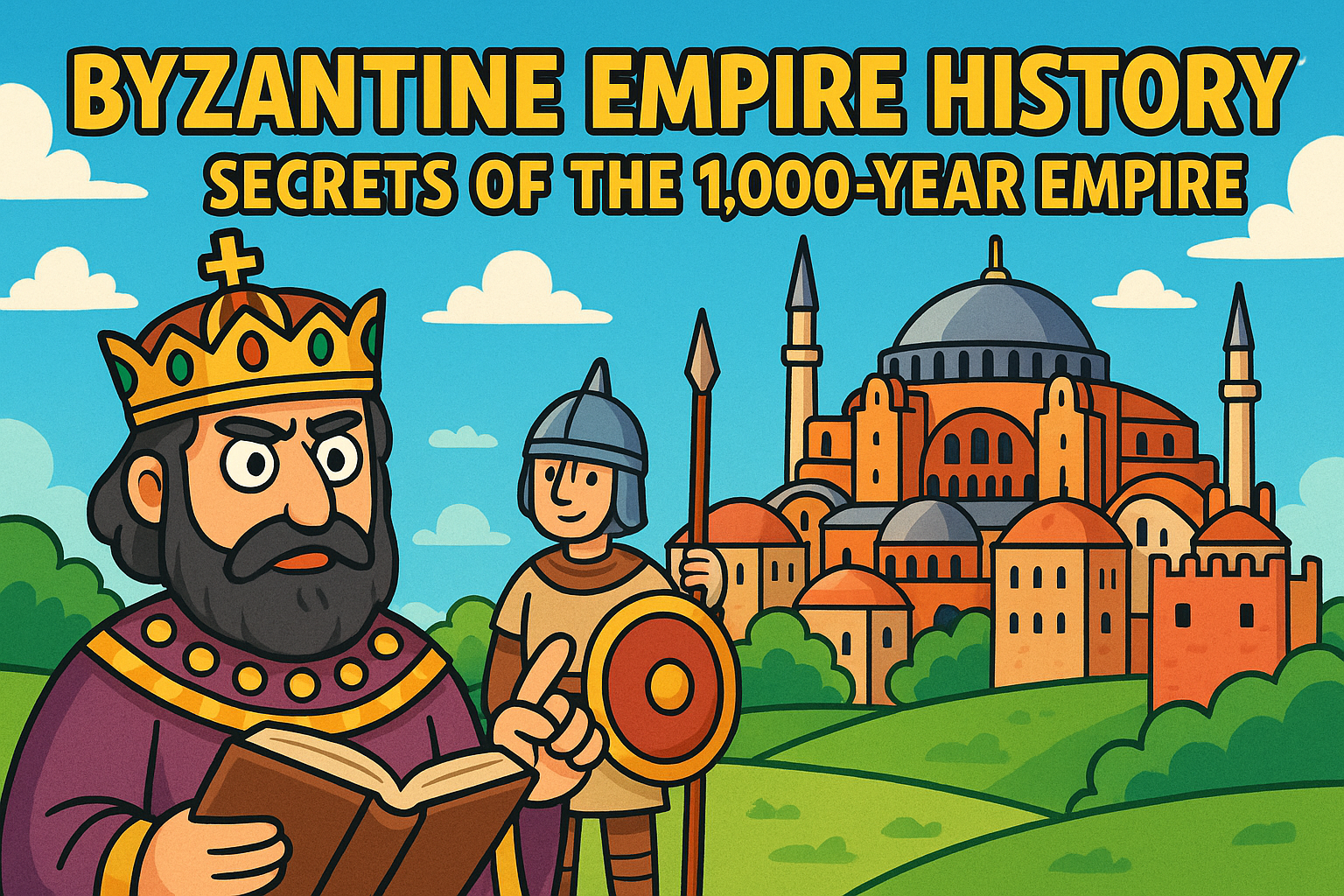
Byzantine Empire History: Secrets of the 1,000-Year Empire (Lesson Plan)

Byzantine Empire History: Secrets of the 1,000-Year Empire

This complete Byzantine Empire history lesson plan helps home-educating families explore the 1,000-year story of the Eastern Roman Empire. Includes activities, mini-tasks, discussion prompts, and quizzes to guide learners through Constantinople’s rise, religious debates, emperors, and enduring influence on Europe and the world.

The Doppler Effect – Lesson Plan

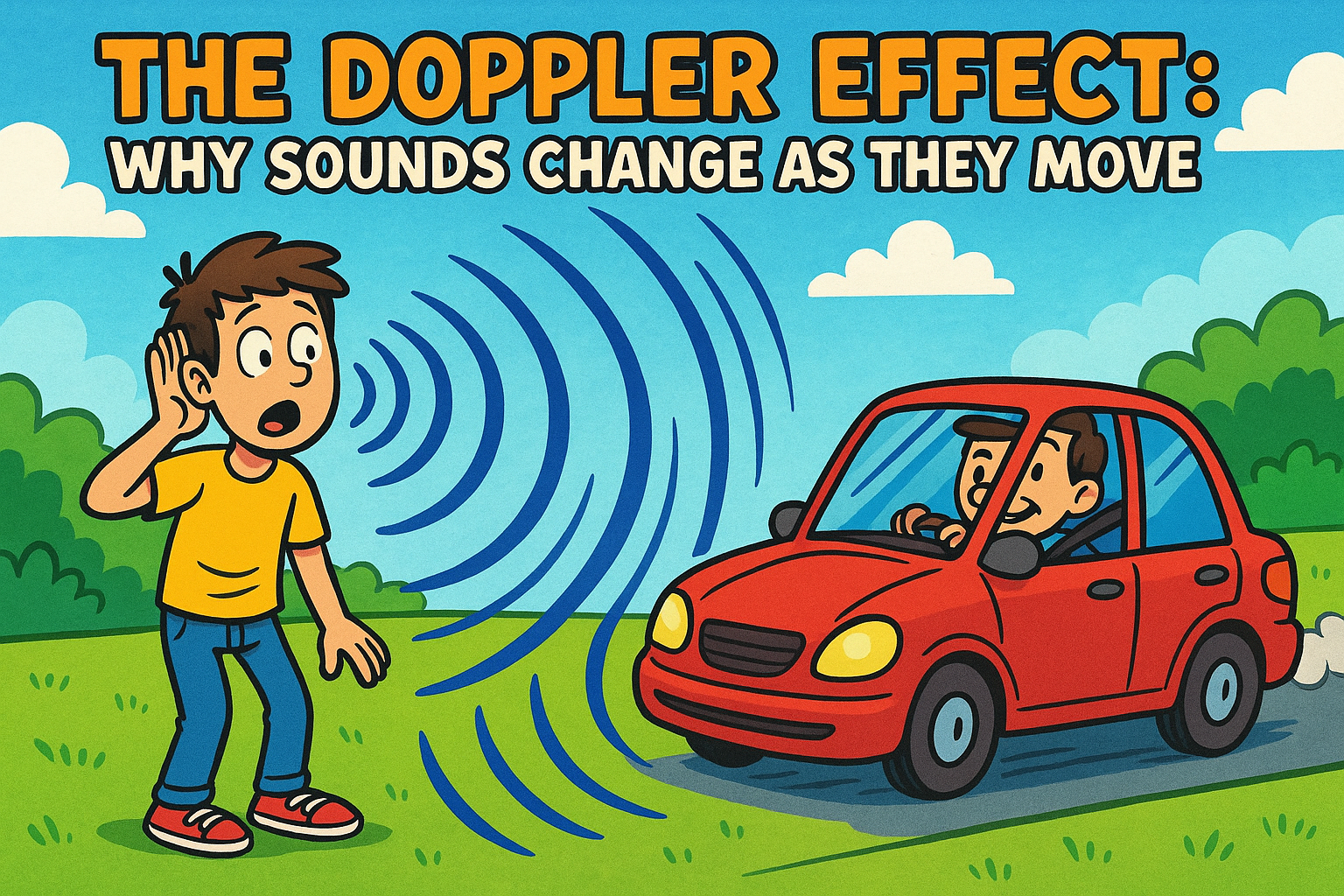
The Doppler Effect: Why Sounds Change as They Move

This Doppler effect lesson plan helps home educators explore how sound and light waves change with movement. Suitable for ages 8–16, it includes everyday examples, clear explanations, and critical thinking activities. Learn about pitch shifts, sound wave patterns, redshift, and how the Doppler effect links to real-world science.

What Is a Black Hole? The Terrifying Space Monster That Eats Everything! (Lesson Plan)

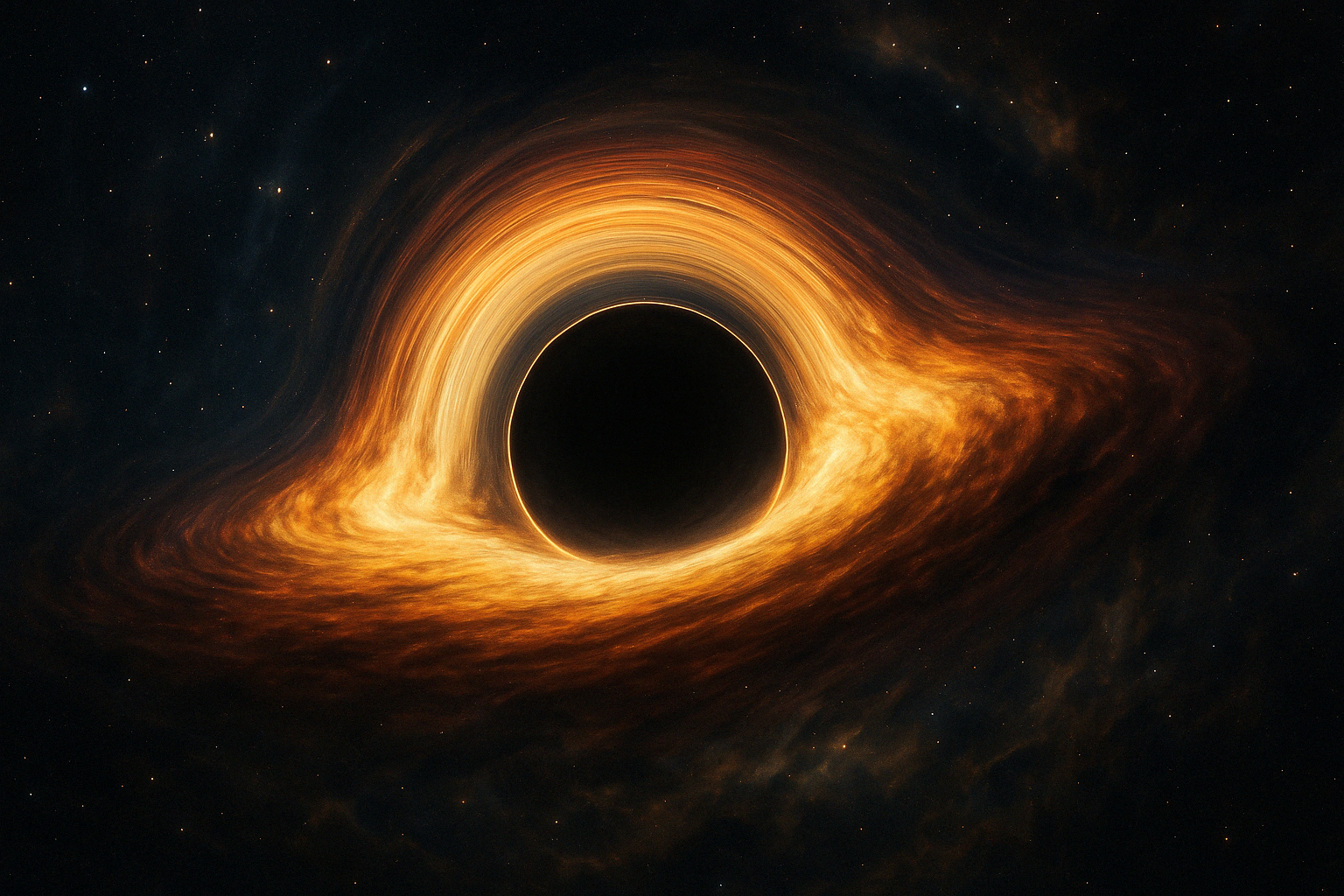
What Is a Black Hole, Really?

This black hole lesson plan helps parents guide learners aged 8–16 through one of the most fascinating concepts in space science. It covers how black holes form, how event horizons work, what happens at the singularity, and how scientists detect these cosmic giants—all in one structured, hands-on format.

The Sinking of the Titanic and the Wreck That Remains (Lesson Plan)

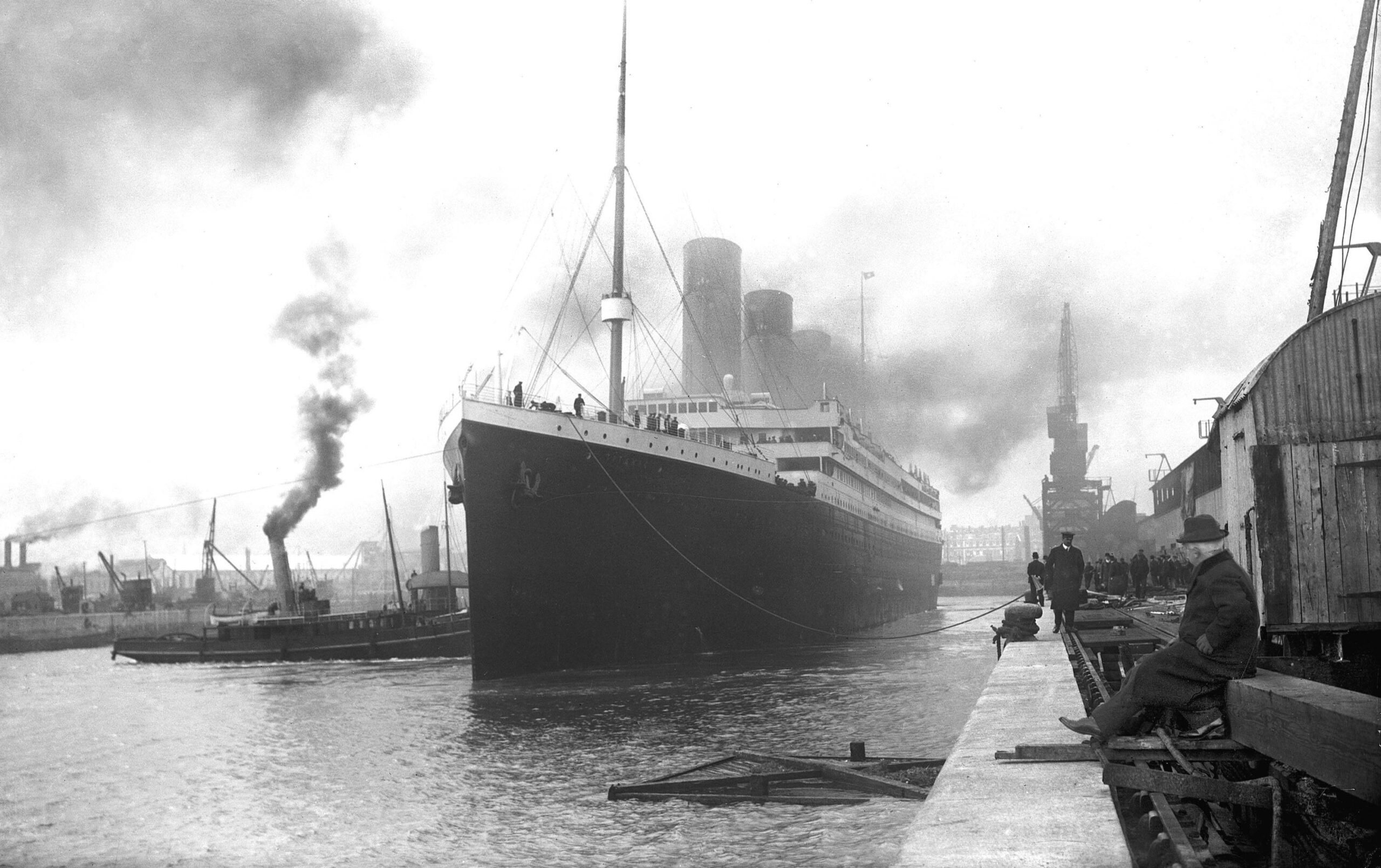
The Sinking of the Titanic and the Wreck That Remains

This Titanic science lesson plan uses the story of the ship’s sinking to explore real-world science: buoyancy, pressure, hypothermia, and materials. Designed for home educators, it includes clear tasks, discussion prompts, and critical thinking questions to help learners aged 8–16 understand what went wrong—and how science helps us build safer futures.

World War II: Meet the Man Who Led Britain to Victory! (Lesson Plan)

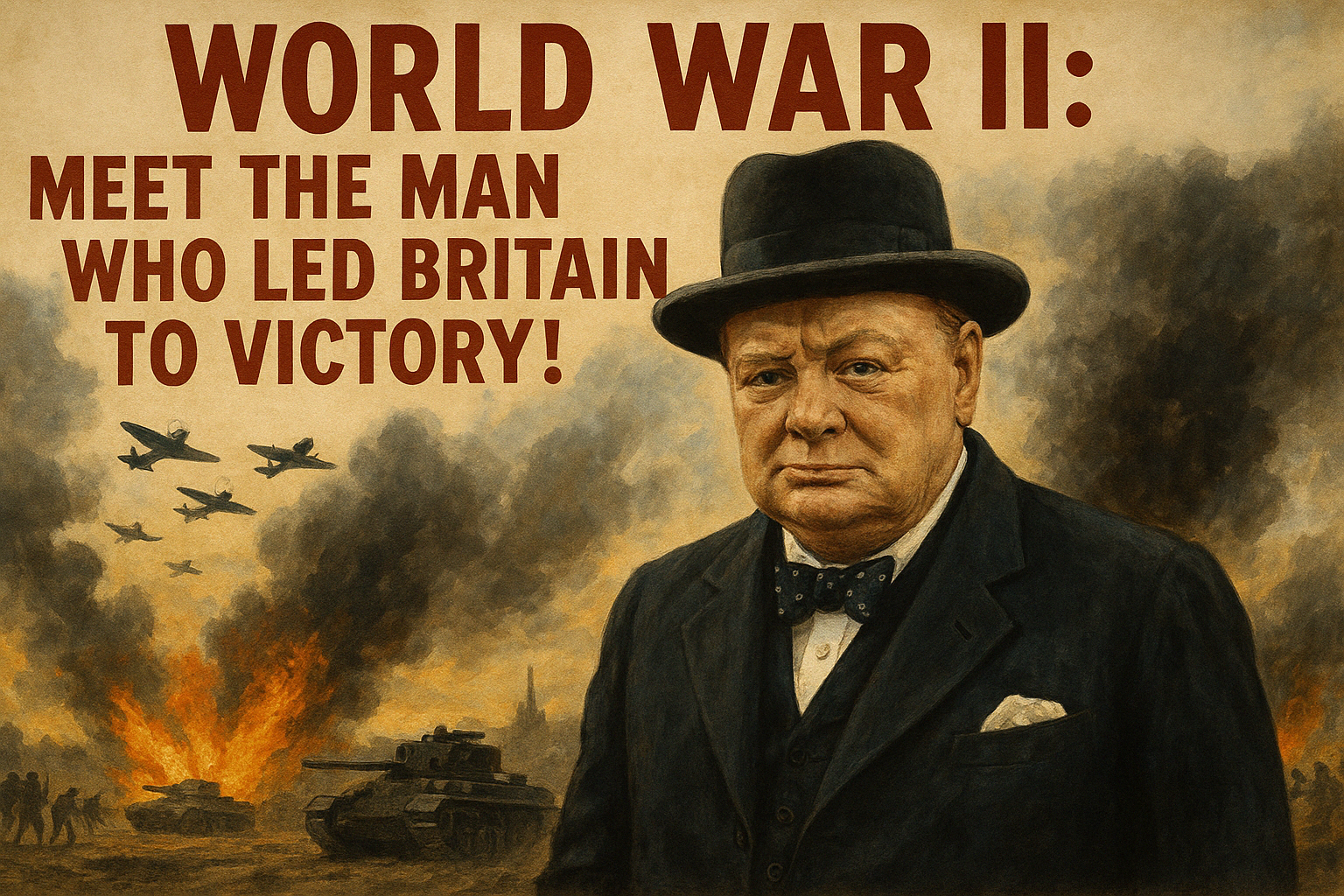
Winston Churchill was the man who led Britain to victory in World War II

This Britain victory lesson plan explores Winston Churchill’s role in World War II through activities, discussion, and clear learning goals. Perfect for home-educating parents who want to teach leadership, history, and resilience through one of Britain’s most significant figures.

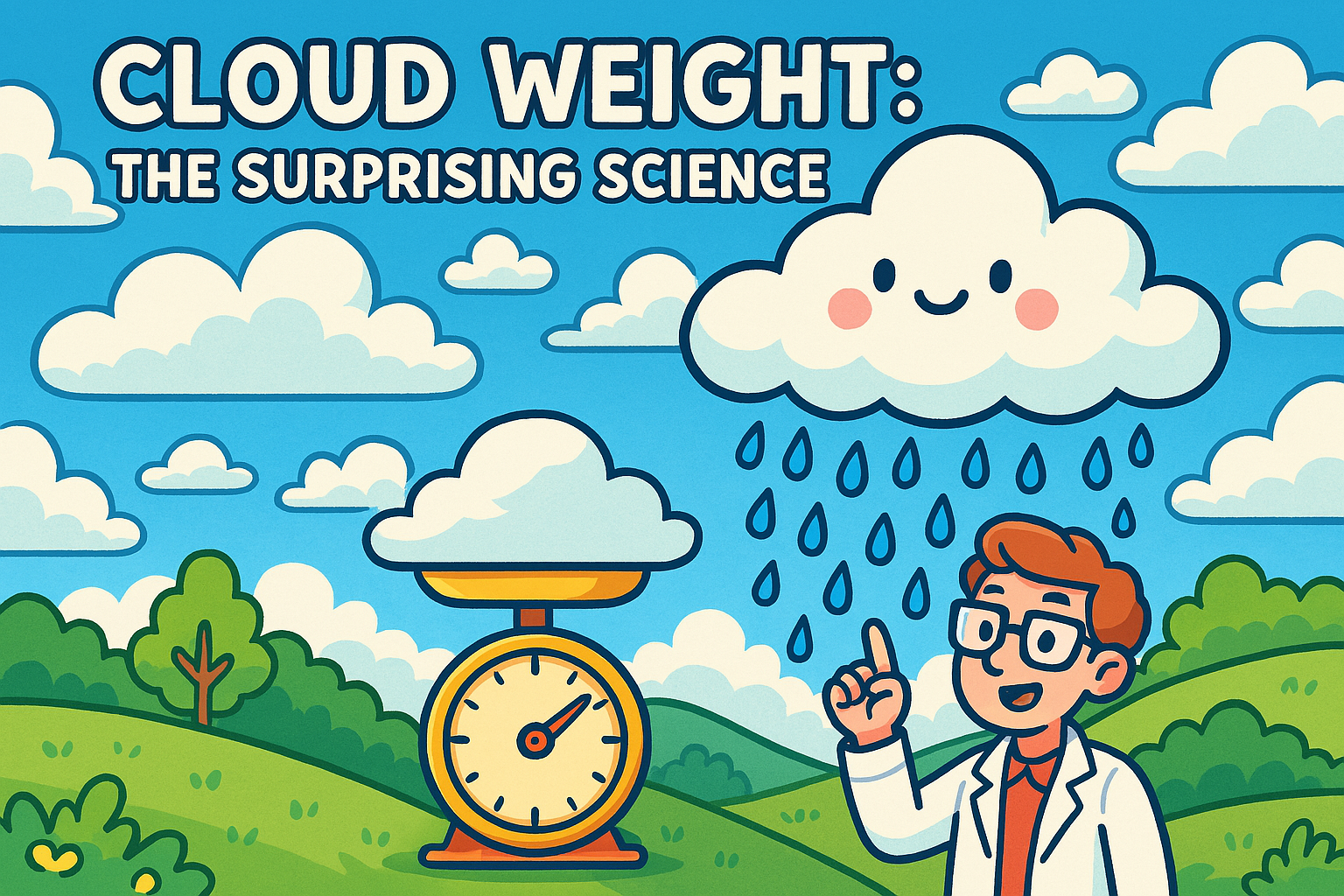
Cloud Weight: The Surprising Science (Lesson Plan)

Cloud Weight: The Surprising Science

This lesson plan explores how vibrations can reinforce each other and create fascinating wave patterns in the air, in strings, and even in bridges. With clear explanations, hands-on tasks, and creative projects, this is a brilliant way to help learners understand the science of resonance and standing waves – and why it matters in the real world.

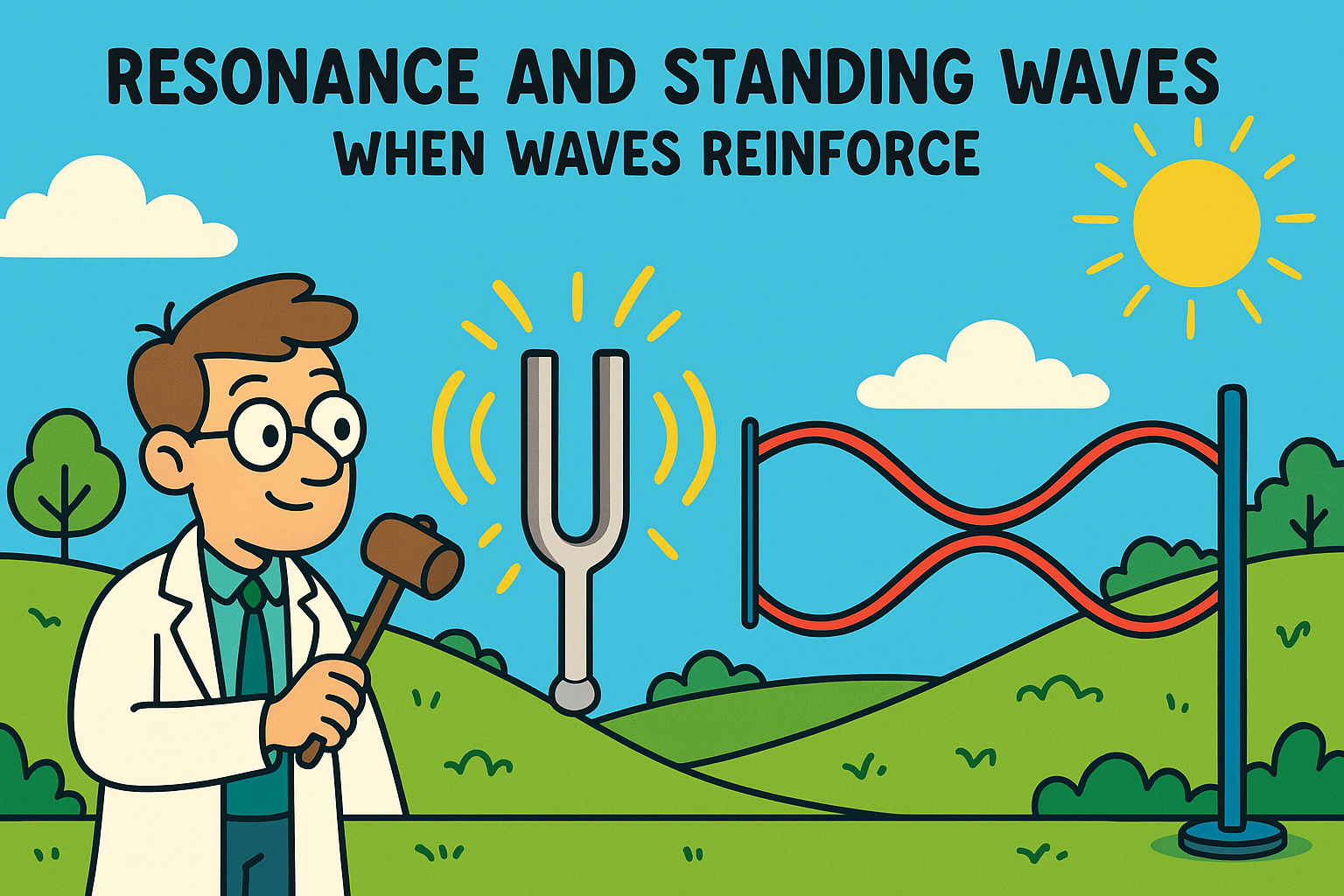
Resonance and Standing Waves: When Waves Reinforce (Lesson Plan)

Resonance and Standing Waves: When Waves Reinforce

This resonance and standing waves lesson plan helps children aged 8–16 explore how vibrations travel, reflect, and grow. Using simple explanations, hands-on tasks, and real-world examples, your child will discover how sound and energy behave in ropes, strings, air, and even buildings. No science background needed — just curiosity!

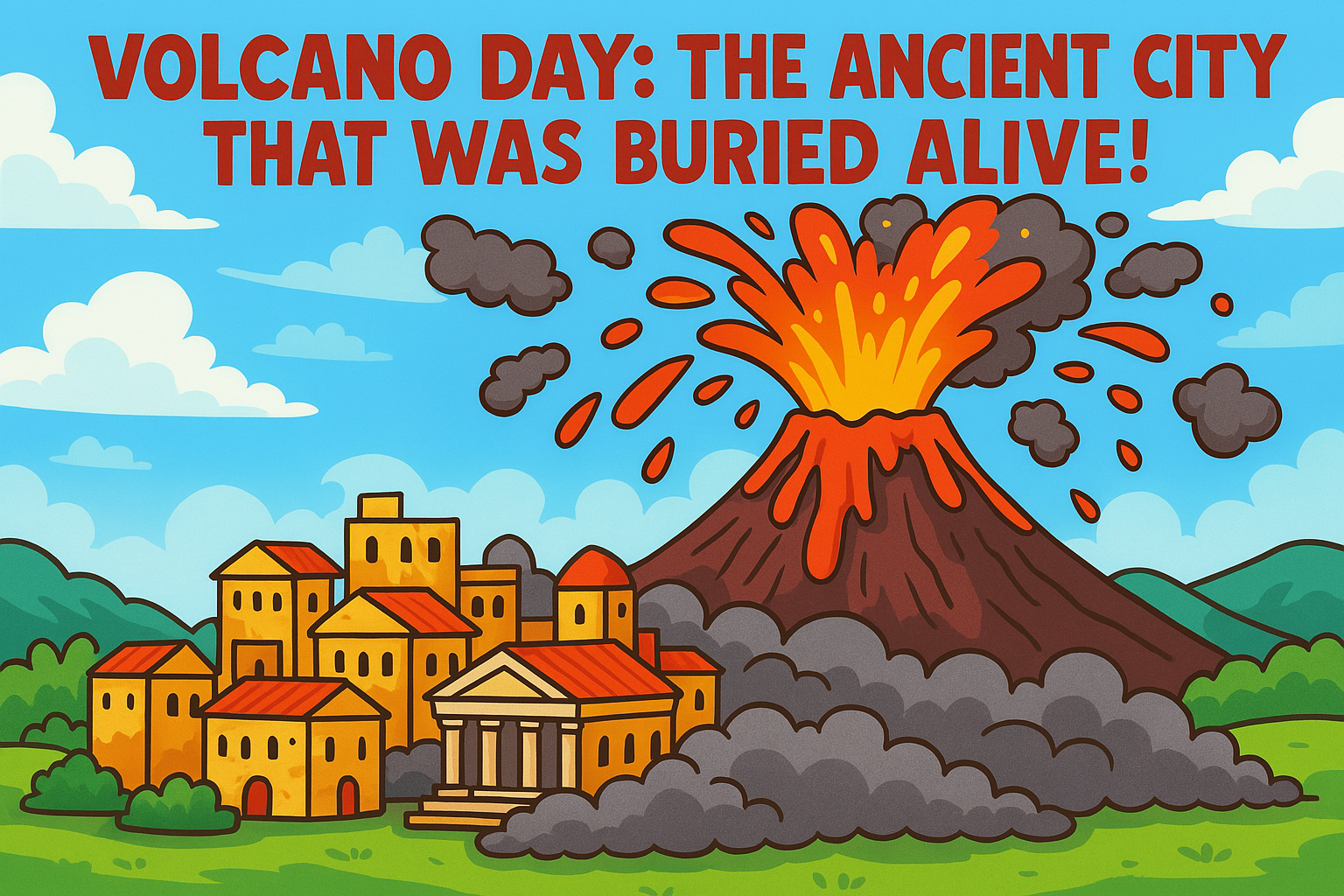
Pompeii: The Ancient City That Was Buried Alive! (Lesson Plan)

Pompeii: The Ancient City That Was Buried Alive!

This comprehensive Pompeii lesson plan explores the Roman city destroyed by Mount Vesuvius. With creative projects, reading tasks, and discussion questions, it brings history alive for children aged 8–16. Ideal for home education, it supports learning in geography, writing, and critical thinking – all through the dramatic true story of Pompeii.