
The Sinking of the Titanic and the Wreck That Remains (Lesson Plan)
Lesson Plan - The Sinking of the Titanic and the Wreck That Remains
The Titanic science lesson plan explores the real-world science behind one of the most well-known maritime disasters in history. From buoyancy and water pressure to freezing temperatures and hypothermia, this topic helps your child understand the physics, biology, and engineering principles involved in the sinking of the Titanic.
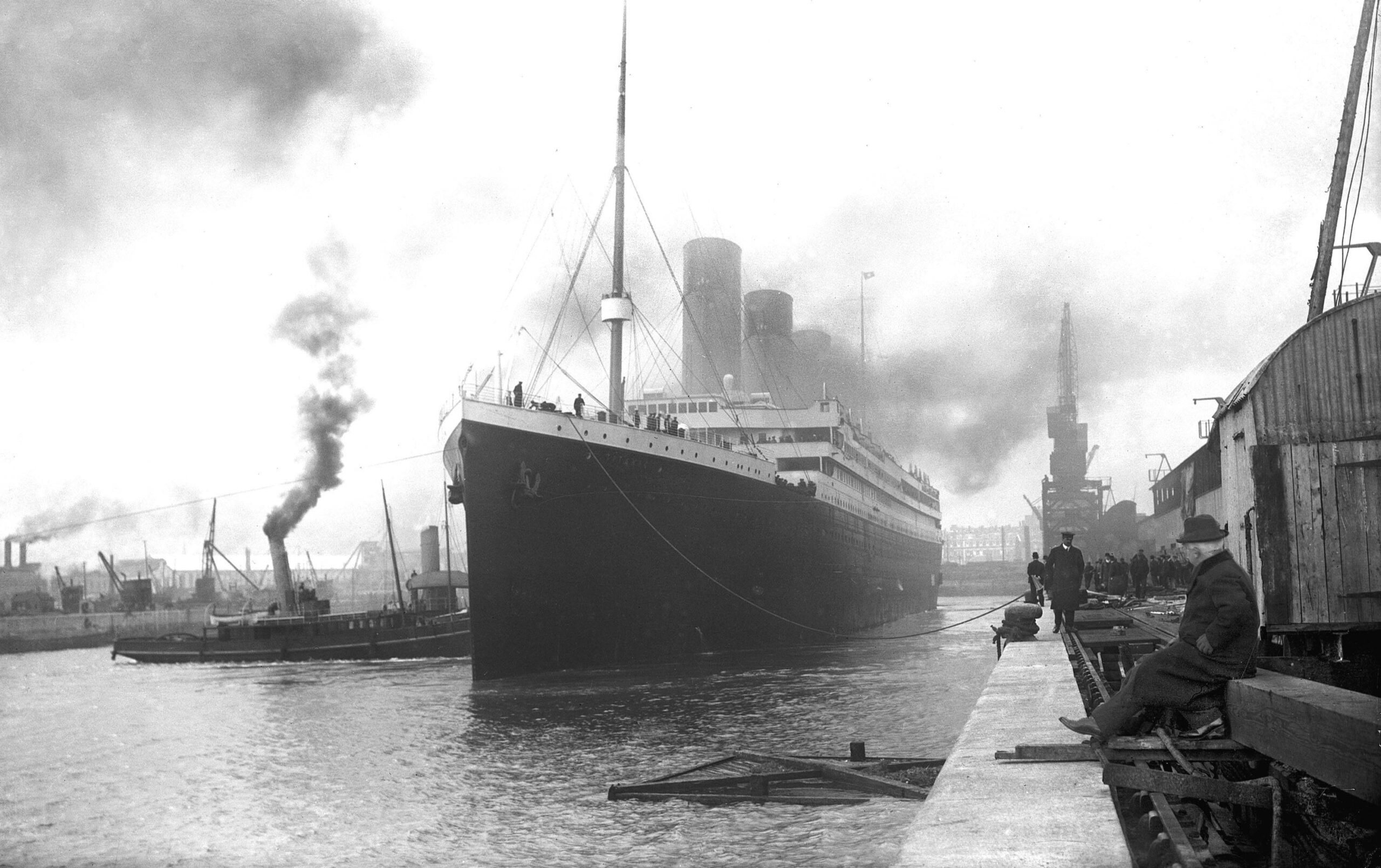
What makes this Titanic science lesson plan unique is how it brings history and science together in a way that feels real and relevant. Your child will learn not just about what happened, but why it happened — and how the ship’s design, the cold Atlantic conditions, and even human decisions played a role.
This lesson plan is designed for parents who want to teach science in a hands-on, conversation-based way at home. You don’t need any specialist knowledge to use it. Every section is explained clearly, with step-by-step guidance, questions to discuss, and small tasks to help your child think deeply about what they’re learning.
It’s suitable for learners aged 8–16, with flexible timing and a clear structure. Whether your child is into engineering, the ocean, or just loves a good story, this topic can spark curiosity while building a strong foundation in science.
This topic is part of our Info Zone collection. You can read the full topic, once logged in, here: The Sinking of the Titanic and the Wreck That Remains
You’ll also find a full Lesson Plan and a handy Parent Q & A sheet, for this topic, ready to use..
The Sinking of the Titanic and the Wreck That Remains
This lesson plan is designed to help you support your child with this topic: The Sinking of the Titanic and the Wreck That Remains
Learning Objectives (What You’ll Learn Today)
- Understand the scientific reasons behind how the Titanic sank
- Explore the role of temperature and hypothermia in the disaster
- Examine the forces acting on a sinking object
- Think critically about ship design and risk
Estimated Time
60–90 minutes (can be split across two sessions)
Let’s Get Started
Ask your child: “Why do you think such a huge ship like the Titanic could sink? What would have to go wrong?”
The Main Lesson
1. Buoyancy and Balance
Ships float because of a force called buoyancy. This happens when the water pushes up against the weight of the ship. The Titanic stayed afloat because its shape spread out its weight over a wide area. But when water began rushing in, that balance was lost.
The Titanic had watertight compartments — but the tops weren’t sealed. As water spilled from one to the next, the front of the ship dipped lower, lifting the back end up until the whole structure broke apart.
Mini-Task: Fill a plastic container with holes along one edge and watch what happens when you tilt it. What do you notice?
2. Cold Water and Hypothermia
That night, the water was below freezing — about -2°C. Because of the salt, the sea didn’t freeze but was cold enough to cause hypothermia in under 15 minutes. Most people who ended up in the water didn’t drown — they froze to death.
The body shuts down quickly in icy water. Blood is pulled away from the skin to protect vital organs. Fingers, toes, and even muscles stop working, making swimming nearly impossible.
Mini-Task: Dip one hand in ice water for 30 seconds. Then try writing your name. How does the cold affect your movement?
3. Pressure at the Bottom
The Titanic now lies nearly 4,000 metres underwater. At that depth, the pressure is around 400 times what we feel at sea level. That’s enough to crush most objects instantly.
Pressure builds because the weight of the water above pushes down. Submarines and diving equipment must be specially built to survive these forces. The Titanic wasn’t — it was never meant to go there.
Mini-Task: Use a plastic bottle with a lid. Squeeze it slightly on land — then submerge it in water. What happens to the pressure?
4. Why Didn’t the Lifeboats Save More People?
The Titanic had 20 lifeboats — enough for just over half the people onboard. That was legal at the time. Some were lowered half full on purpose, with plans to pick up others from lower gangways. But that plan failed when the ship tilted too quickly.
Confusion, fear, and poor training made the situation worse. Some passengers didn’t believe the ship was sinking. Others delayed getting in. New laws were later passed to ensure all ships carried enough lifeboats for every person.
Mini-Task: Design your own lifeboat plan. How would you organise who gets in, how it launches, and how it stays stable?
5. Could the Titanic Sink Today?
Modern ships are safer — but they can still sink. Today’s ocean liners have better materials, double hulls, full lifeboat capacity, and international safety codes. But icebergs, storms, or fires could still cause disaster.
The Titanic changed how ships were designed. It taught people that no vessel is truly “unsinkable” — and that preparation saves lives.
Mini-Task: Make a list of 5 safety improvements that exist on ships today because of the Titanic.
Think and Discuss
- Why was the sea being so calm actually a bad thing that night?
- Do you think Captain Smith made the right decisions under pressure?
- What could engineers learn from a disaster like this?
Wrap-Up Summary
The Titanic disaster was more than a tragedy — it was a wake-up call for science, safety, and human decisions. Exploring it through science helps children understand the physical forces, cold-water dangers, and engineering flaws that all played a part.
Quiz
- What is buoyancy?
a) The force that pulls ships down
b) The force that pushes ships up
c) The way water gets cold - Why did the Titanic’s compartments fail?
a) They weren’t waterproof
b) They were open at the top
c) They didn’t exist - How cold was the sea the night Titanic sank?
a) 5°C
b) -2°C
c) 0°C - What causes pressure deep underwater?
a) Sunlight
b) Air bubbles
c) The weight of the water above - Why did some lifeboats leave half full?
a) There weren’t enough people
b) They planned to pick up others later
c) They didn’t want to be heavy - What was Captain Smith’s role?
a) Radio officer
b) Head engineer
c) The captain of the ship - How did most people die in the disaster?
a) From drowning
b) From hypothermia
c) From fire - Why were icebergs hard to see that night?
a) The fog was thick
b) The sea was rough
c) The sea was flat and the sky was dark - Where is the Titanic wreck site?
a) In the Arctic
b) Near Newfoundland
c) Off the coast of Ireland - What was one change made after the disaster?
a) Ships could carry more cargo
b) Lifeboats became optional
c) All ships had to carry lifeboats for everyone
Answers
1. b 2. b 3. b 4. c 5. b 6. c 7. b 8. c 9. b 10. c
Short Essay Prompt
Write a short essay explaining how cold water and hypothermia played a major role in the Titanic disaster. Include at least one scientific reason and one historical fact.
Extra Learning
Research a modern ship and compare its safety features to the Titanic. What changes have been made in ship design, materials, and training? Present your findings as a chart, poster, or short video.
Final Reflection (What Did You Learn?)
Ask your child: “What surprised you the most about how the Titanic sank — and what do you think engineers should remember today?”