
Which Desert is the Biggest on Earth?
Which Desert is the Biggest on Earth?
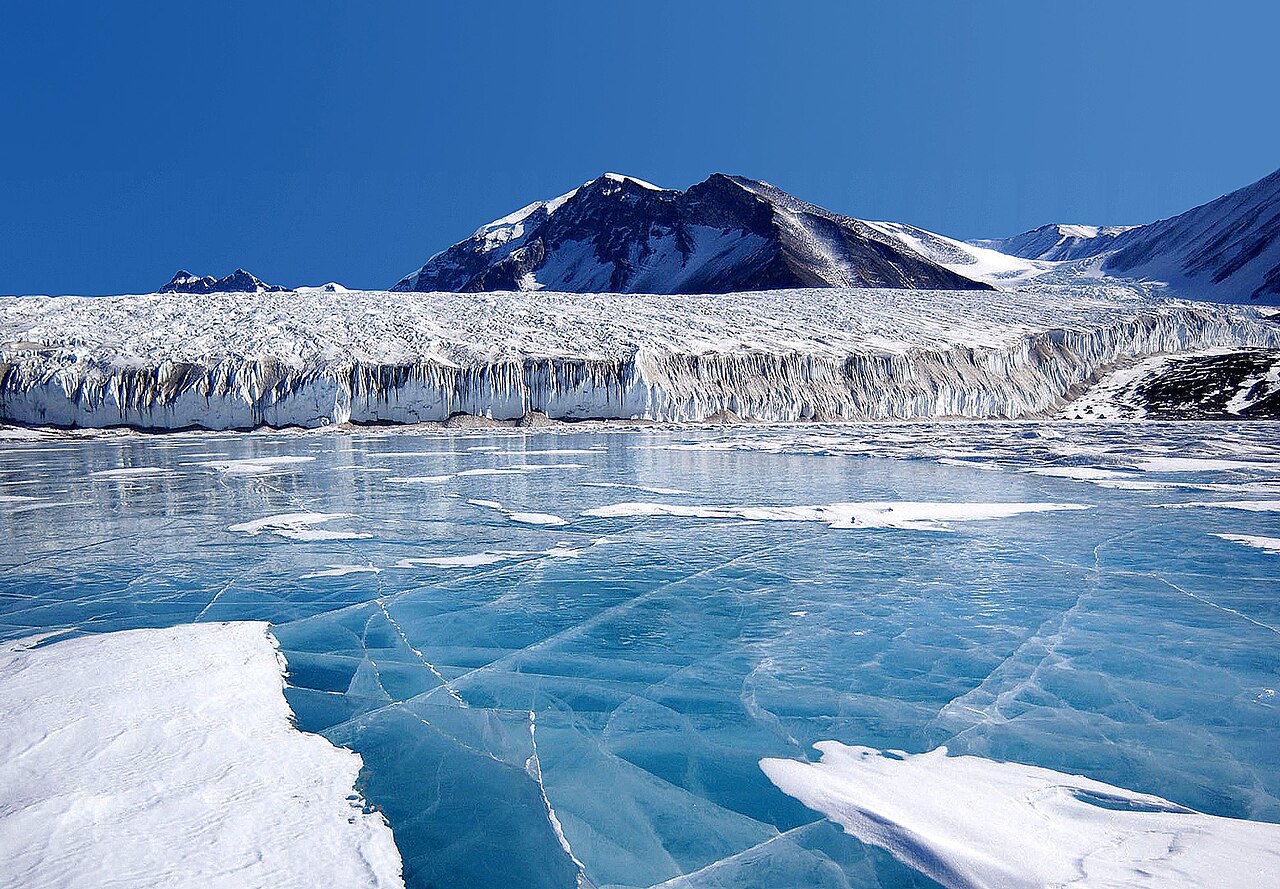
The largest desert on Earth is not the Sahara but the Antarctic Desert, covering about 14 million square kilometres. Despite its icy landscape, Antarctica qualifies as a desert due to its extremely low annual precipitation.
Which Desert is the Biggest on Earth?
When we think of deserts, we often imagine vast stretches of scorching sand dunes under a blazing sun. However, the largest desert on Earth defies this stereotype. The Antarctic Desert, encompassing nearly 14 million square kilometres, holds the title of the world’s largest desert. This icy expanse covers the entire continent of Antarctica.
What Makes a Desert?
A desert is defined not by its temperature but by its lack of precipitation. Any region that receives very little annual rainfall qualifies as a desert. Antarctica fits this definition perfectly, as its interior receives an average of less than 50 millimetres of precipitation each year, primarily in the form of snow. This minimal moisture classifies it as a polar desert.
A Land of Extremes
Antarctica is not just the driest continent; it’s also the coldest and windiest. Temperatures can plummet to minus 70 degrees Celsius in the interior, and wind speeds can reach over 350 kilometres per hour. These harsh conditions make it one of the most inhospitable places on the planet.
Ice, Ice, and More Ice
Despite being a desert, Antarctica holds about 60-90% of the world’s fresh water, locked away in its massive ice sheets. In some areas, the ice is over 4 kilometres thick. If all this ice were to melt, global sea levels could rise by approximately 60 meters.
Life in the Freezer
While the extreme environment limits biodiversity, some resilient species have adapted to survive. Penguins, seals, and various microorganisms call Antarctica home. These creatures have unique adaptations that allow them to thrive in such a cold, dry climate.
The Sahara: The Largest Hot Desert
In contrast, the Sahara Desert in Africa is the world’s largest hot desert, covering about 9.2 million square kilometres. It’s known for its vast sand dunes and scorching temperatures, which can soar above 50 degrees Celsius. However, in terms of sheer size, it falls behind the Antarctic Desert.
Why Does It Matter?
Understanding that deserts aren’t just hot, sandy places helps us appreciate the diversity of Earth’s ecosystems. Deserts can be cold or hot, and their defining feature is low precipitation. Recognizing Antarctica as a desert highlights the unique characteristics of this icy continent.
Exploration and Research
Antarctica’s harsh conditions have made it largely uninhabited by humans, with no permanent residents. However, scientists from around the world maintain research stations there to study its climate, wildlife, and geology. Their work is crucial for understanding global climate patterns and the impacts of climate change.
Preserving the Pristine Wilderness
International treaties protect Antarctica, aiming to preserve its environment and promote scientific cooperation. Tourism is limited and regulated to minimize human impact. These efforts help maintain Antarctica’s status as one of the last great wildernesses on Earth.
A Desert Like No Other
So, the next time you think of deserts, remember that the largest one is a vast, icy expanse at the southernmost point of our planet. The Antarctic Desert challenges our typical notions of what a desert can be and underscores the incredible variety found in Earth’s landscapes.
Learn More: