
The UK’s Tallest Mountain – It’s Colder at the Top!
The UK’s Tallest Mountain – It’s Colder at the Top!
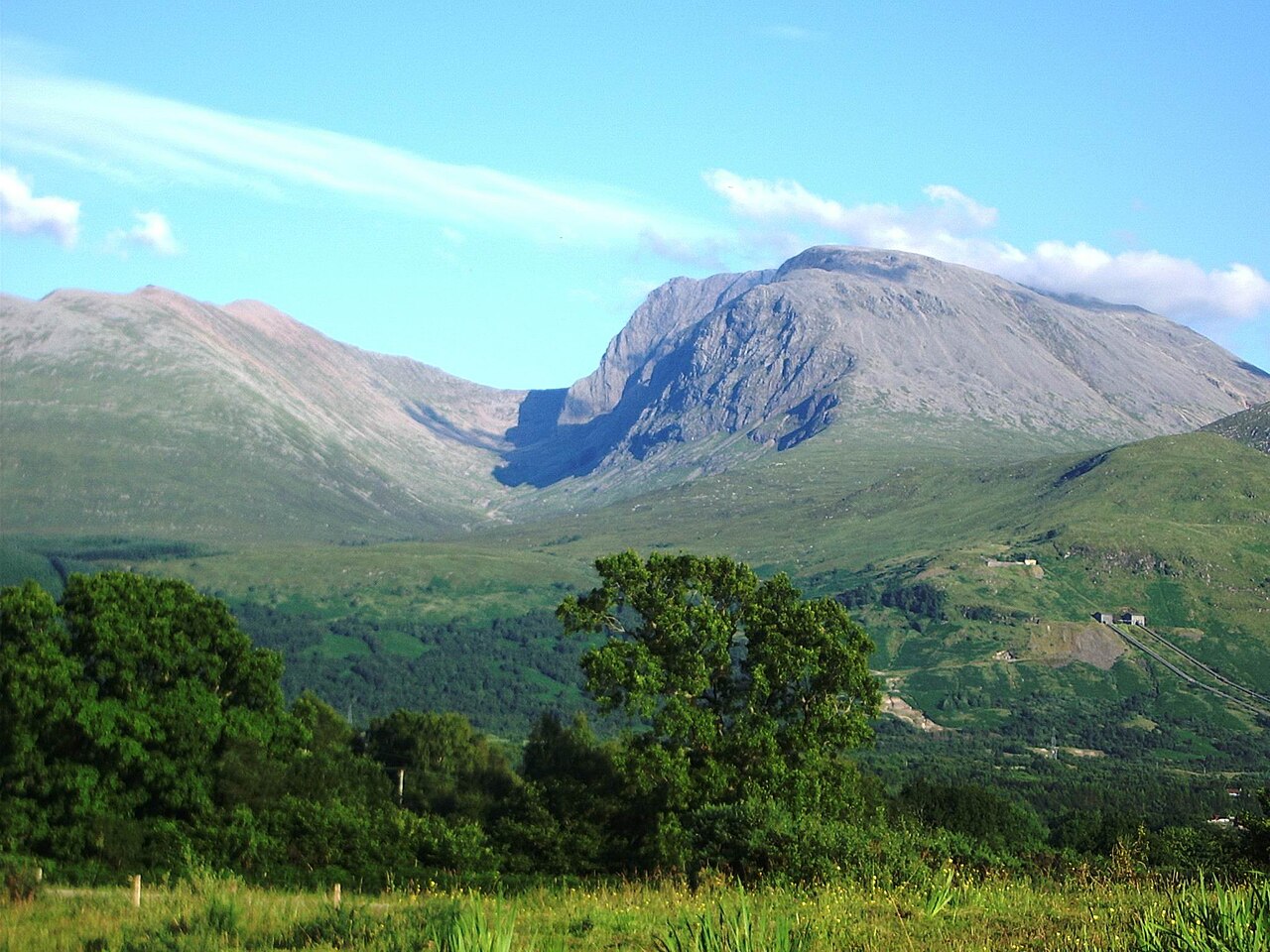
Ben Nevis, standing at 1,345 meters (4,413 feet), is the highest mountain in the UK. Located near Fort William in Scotland, it’s a popular destination for hikers and climbers. The summit is often chilly, so remember to dress warmly!
The UK’s Tallest Mountain – It’s Colder at the Top!
Have you ever wondered which mountain holds the title of the tallest in the United Kingdom? It’s Ben Nevis, a majestic peak that rises to 1,345 meters (4,413 feet) above sea level, making it the highest point in the British Isles. Situated near the town of Fort William in Scotland, Ben Nevis attracts thousands of adventurers each year who are eager to reach its summit.
A Name with Meaning
The name “Ben Nevis” comes from the Scottish Gaelic “Beinn Nibheis,” which is often translated as “Venomous Mountain” or “Mountain with its Head in the Clouds.” This name likely refers to the mountain’s unpredictable and often harsh weather conditions, which can pose challenges even to experienced climbers.
An Ancient Giant
Believe it or not, Ben Nevis was once a massive active volcano! Around 350 million years ago, during a violent eruption, the volcano collapsed in on itself, forming the mountain we see today. This ancient origin adds a layer of mystery and intrigue to the already impressive peak.
A Climber’s Dream
Every year, approximately 150,000 people set out to conquer Ben Nevis. The most popular route is the Mountain Track, also known as the Tourist Path or Pony Track, which starts in Glen Nevis. This path is about 17 kilometres (10.5 miles) round trip and can take anywhere from 7 to 9 hours to complete. While the trail is well-maintained, it’s still a challenging ascent that requires proper preparation and respect for the mountain’s conditions.
A Chilly Summit
One thing climbers quickly realize is that it’s much colder at the top! The temperature at Ben Nevis’s summit is typically about 10 degrees Celsius lower than at its base. This means that even on a warm day in Fort William, the peak can be quite chilly, and snow can linger on the summit well into the summer months.
Wildlife at High Altitude
Ben Nevis isn’t just a favourite among humans; it’s also home to a variety of wildlife. As you ascend, you might spot red deer grazing on the lower slopes or catch a glimpse of a golden eagle soaring high above. The mountain’s unique habitats support a range of plant species, some of which are specially adapted to survive in the harsh conditions near the summit.
A Storied Past
The first recorded ascent of Ben Nevis was on August 17, 1771, by James Robertson, an Edinburgh botanist. Since then, it has become a beacon for adventurers, scientists, and nature enthusiasts. In the late 19th century, an observatory was established at the summit to study mountain weather, and its ruins can still be seen today, reminding visitors of the mountain’s scientific significance.
Not Just for Climbers
While climbing Ben Nevis is a notable achievement, you don’t have to reach the summit to enjoy its beauty. The surrounding area offers stunning landscapes, scenic trails, and rich history. Glen Nevis, for example, is a beautiful valley with waterfalls, forests, and meadows, perfect for those who prefer a more leisurely exploration.
Safety First
If you’re planning to tackle Ben Nevis, preparation is key. The weather can change rapidly, and conditions at the summit are often very different from those at the base. It’s essential to have the right equipment, check weather forecasts, and be aware of your own fitness levels. Remember, it’s always okay to turn back if conditions become too challenging.
A Mountain for All Seasons
Whether you’re an avid climber, a nature lover, or someone who appreciates stunning landscapes, Ben Nevis has something to offer. Each season brings its own beauty, from snow-capped peaks in winter to blooming heather in summer. So, next time you’re in Scotland, why not visit this iconic mountain and experience its grandeur firsthand?
Learn More: