
What’s Inside a Cell? (Meet the DNA Holder!)
What’s Inside a Cell? (Meet the DNA Holder!)
Cells are tiny building blocks of all living things, containing special parts called organelles that perform various jobs to keep the cell alive and functioning. Each organelle has a unique role, from producing energy to storing information. Understanding these organelles helps us learn how life works at the smallest level.
What’s Inside a Cell? (Meet the DNA Holder!)
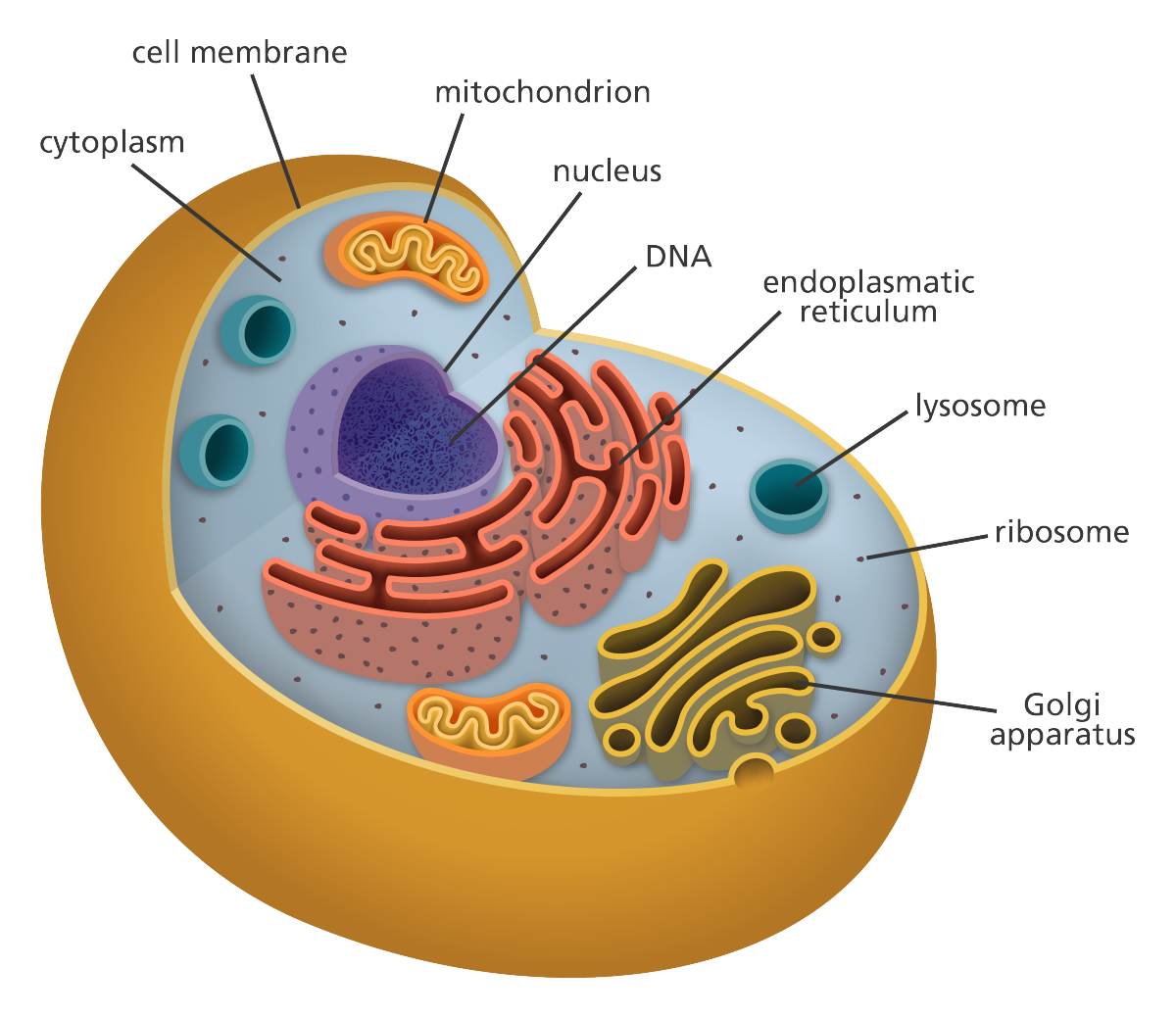
Have you ever wondered what makes up the tiny building blocks of all living things? Let’s take a fun journey inside a cell and meet its fascinating parts, especially the one that holds our genetic blueprint—the DNA holder!
The Cell: A Tiny World
Imagine a cell as a miniature world bustling with activity. It’s so small that you need a microscope to see it, yet it’s packed with various components, each with a specific job to do. These components are called organelles, which means “little organs.”
The Nucleus: The Control Center
The star of our show is the nucleus, often called the control center of the cell. This round organelle is like the cell’s brain, directing all activities. But what makes the nucleus so special? Inside, it houses our DNA—the unique code that determines everything about us, from our eye color to our ability to roll our tongues. The nucleus is the ultimate DNA holder!
Mitochondria: The Powerhouses
Next up are the mitochondria, known as the powerhouses of the cell. These bean-shaped organelles generate the energy the cell needs to function. They take in nutrients and convert them into energy-rich molecules, keeping everything running smoothly.
Endoplasmic Reticulum: The Protein Factory
The endoplasmic reticulum (ER) is like a vast factory floor. There are two types: rough ER, studded with ribosomes, and smooth ER, which lacks them. The rough ER helps in making and packaging proteins, while the smooth ER is involved in creating lipids (fats) and detoxifying substances.
Golgi Apparatus: The Shipping Center
Once proteins are made, they need to be sent to their destinations. That’s where the Golgi apparatus comes in. It’s like the cell’s post office, modifying, sorting, and packaging proteins and lipids for delivery to their next stop.
Lysosomes: The Cleanup Crew
Cells need housekeeping too! Lysosomes are the cleanup crew, containing enzymes that break down waste materials and cellular debris. They ensure the cell stays clean and healthy by digesting unwanted substances.
Cytoskeleton: The Support Framework
Just as our bodies have a skeleton for support, cells have a cytoskeleton. This network of fibres maintains the cell’s shape, secures organelles in specific positions, and allows the cell to move.
Cell Membrane: The Protective Barrier
The cell membrane is like a security gate, controlling what enters and exits the cell. It’s a flexible barrier that ensures the right substances get in and keeps harmful ones out, maintaining the cell’s internal environment.
Vacuoles: The Storage Sacs
Vacuoles are storage sacs within the cell, holding various substances such as water, nutrients, or waste products. In plant cells, the central vacuole can take up most of the cell’s volume, helping maintain its structure.
Ribosomes: The Protein Builders
Ribosomes are tiny but mighty organelles responsible for building proteins. They read the instructions from the DNA and assemble amino acids into proteins, which are essential for countless cellular functions.
Conclusion: The Harmony of Cell Organelles
Each organelle plays a vital role in the cell’s survival and proper functioning. Understanding these tiny structures gives us insight into the complex and amazing world of life at the microscopic level. So, the next time you think about what makes up living organisms, remember the incredible teamwork happening inside each cell!
Learn More