Codes and Ciphers Lesson Plan for Historical Thinking
Secret Codes and Ciphers That Changed History

Codes and Ciphers Lesson Plan for Historical Thinking This lesson is all about how secret codes and ciphers have been used throughout history to protect important messages and outsmart enemies. Your child will learn how people used clever ways to hide messages—like Caesar shifting letters, wartime machines scrambling signals, and even invisible ink! It’s a … Read more
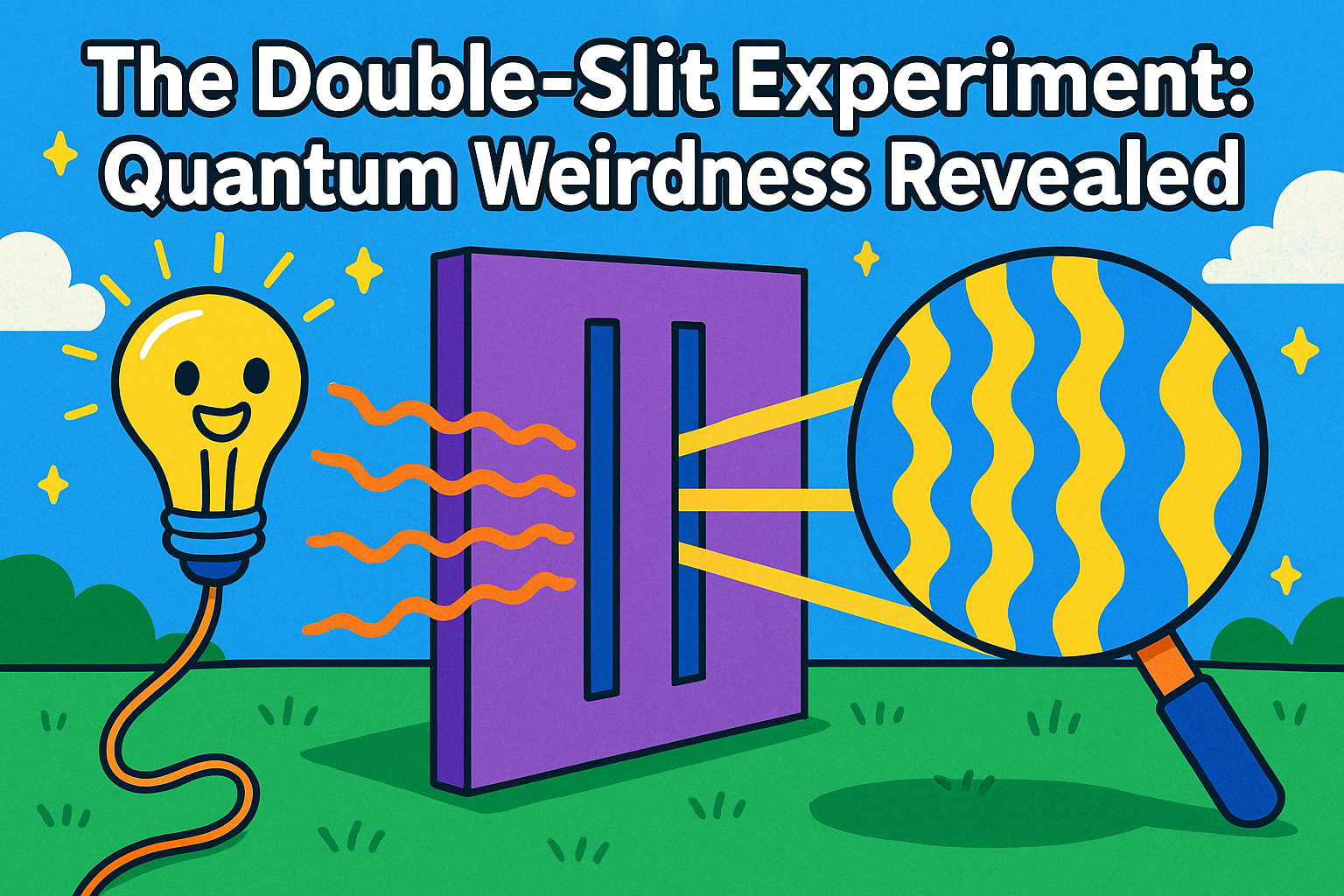
Quantum Interference Lesson Plan: Teaching the Double-Slit Test

Double-Slit Experiment Explained: What It Reveals About Reality

Lesson Plan – Quantum Interference Lesson Plan: Teaching the Double-Slit Test If you’re feeling unsure about how to explain quantum physics at home—don’t worry, you’re not alone! This lesson plan takes one of the most famous science experiments ever—the double-slit experiment—and breaks it down into easy-to-understand parts for learners aged 8 to 16. The double-slit … Read more

Teaching Wave-Particle Duality: Engaging Strategies for Educators​

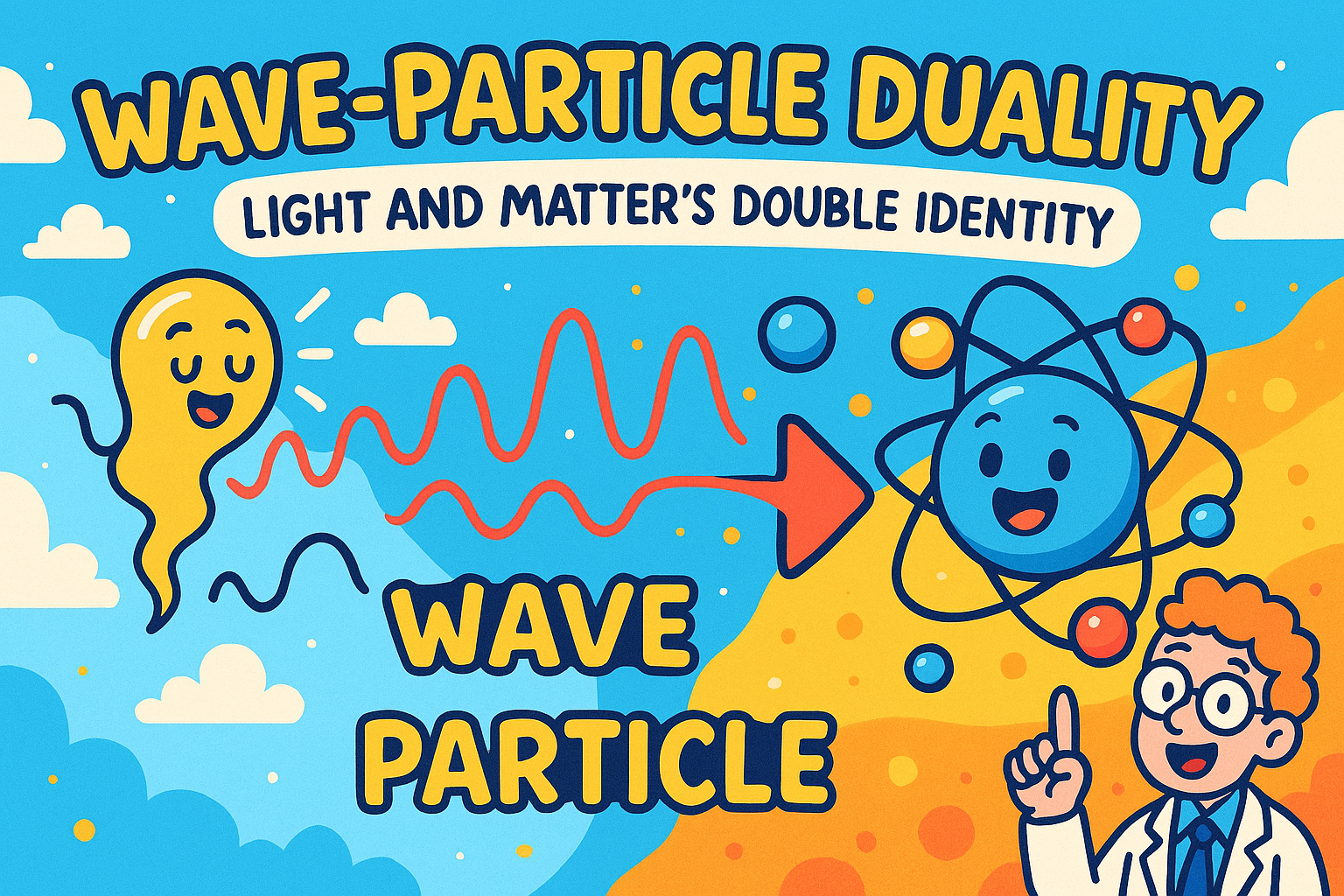
Wave-Particle Duality: Exploring Light and Matter's Dual Nature​

Lesson Plan – Teaching Wave-Particle Duality: Engaging Strategies for Educators​ Wave-particle duality is one of the strangest and most important ideas in modern physics. It tells us that light and matter can behave in two completely different ways—sometimes like particles, and sometimes like waves. This idea helps explain how tiny things in the universe behave, … Read more

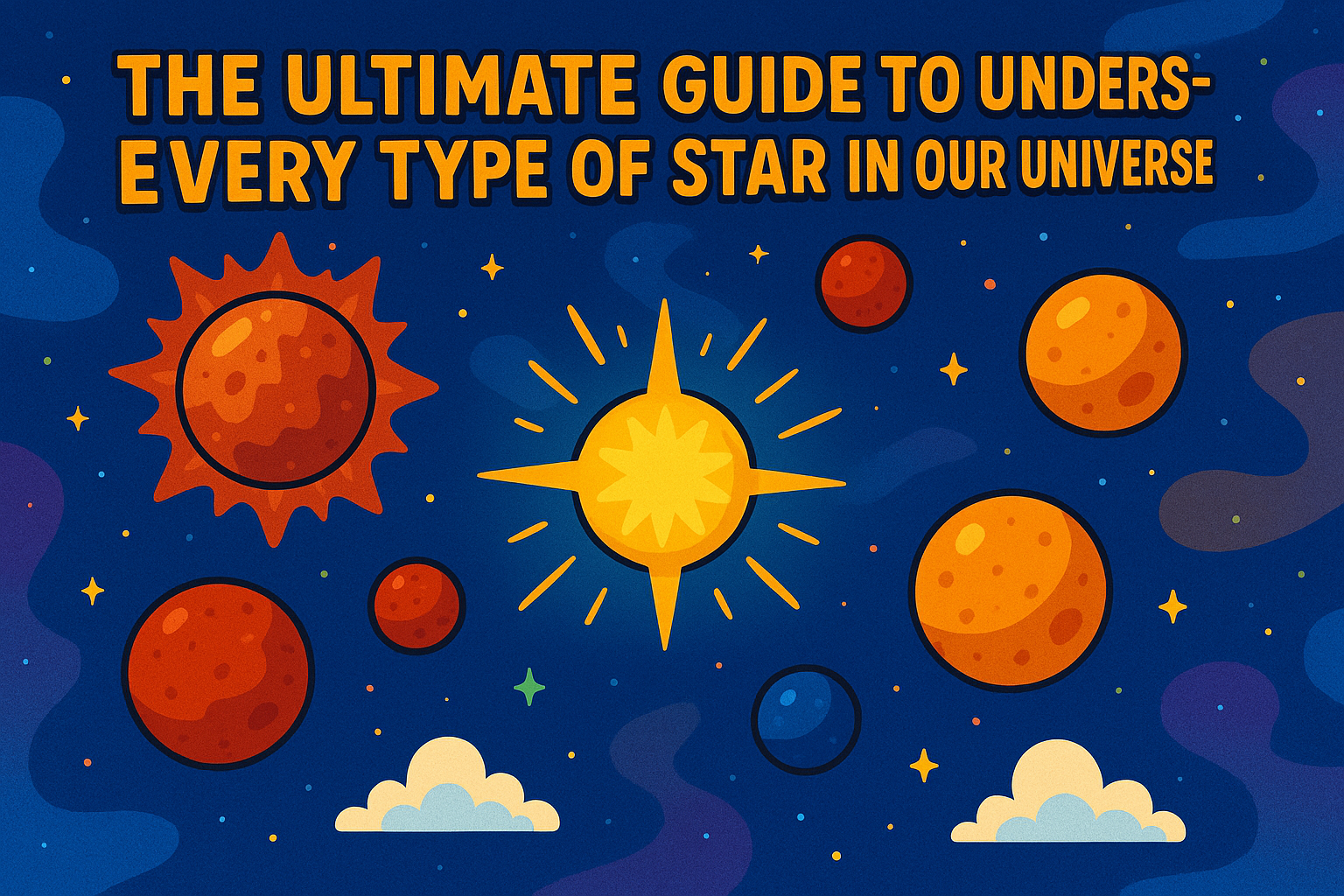
The Ultimate Guide to Understanding Every Type of Star in Our Universe (Lesson Plan)

The Ultimate Guide to Understanding Every Type of Star in Our Universe

Lesson Plan – The Ultimate Guide to Understanding Every Type of Star in Our Universe This lesson plan introduces home-educated learners to the different types of stars found in our universe. Right from the first spark of their birth to their explosive or quiet ends, stars follow unique paths depending on their size and structure. … Read more

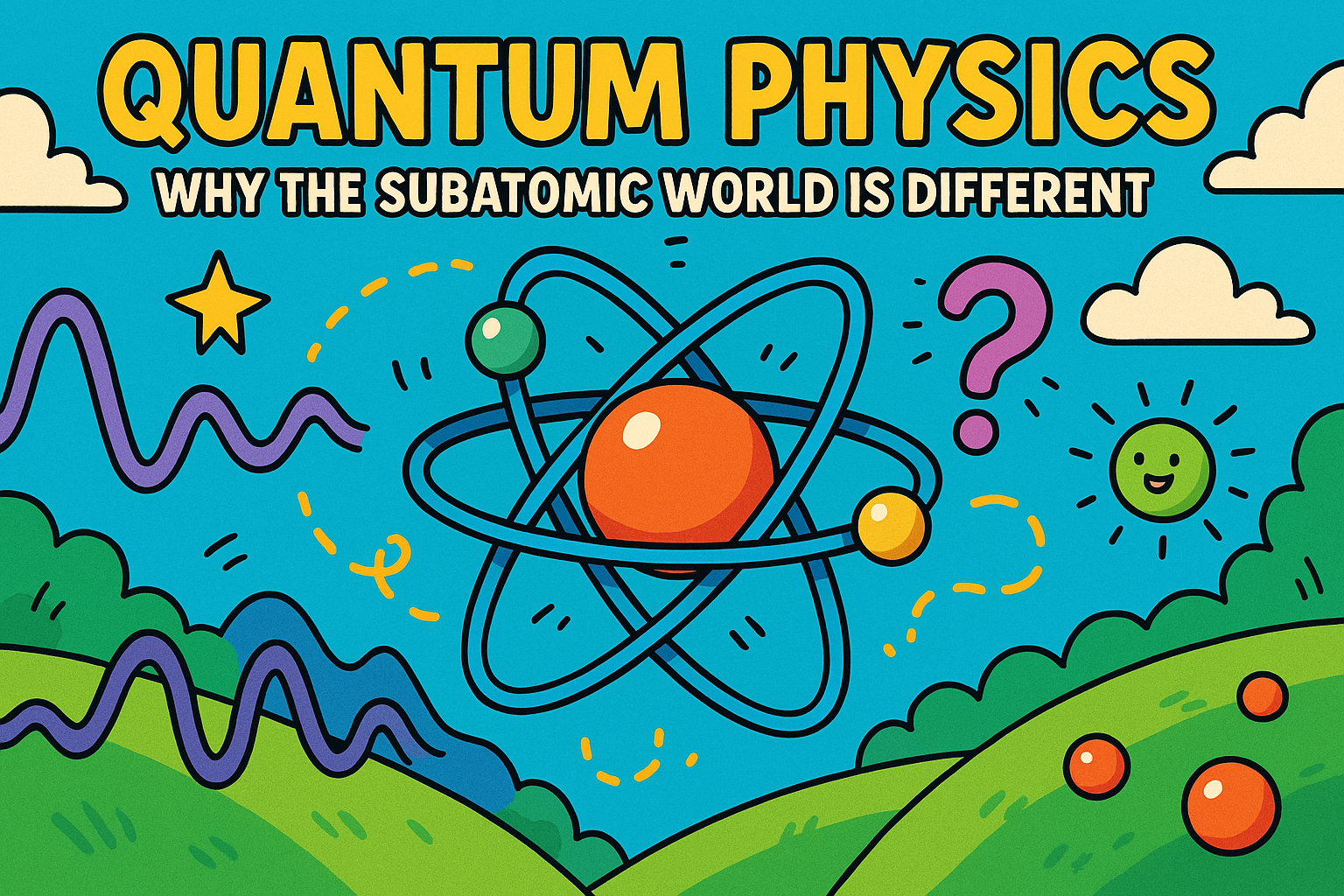
Quantum Physics: Why the Subatomic World Is Different (Lesson Plan)

Quantum Physics: Why the Subatomic World Is Different

Lesson Plan – Quantum Physics: Why the Subatomic World Is Different Quantum physics can sound like a tricky subject, especially if you didn’t study science yourself—but don’t worry! This lesson plan is designed to make the subatomic world fun and understandable for learners aged 8 to 16. It breaks down complex ideas like particles, waves, … Read more

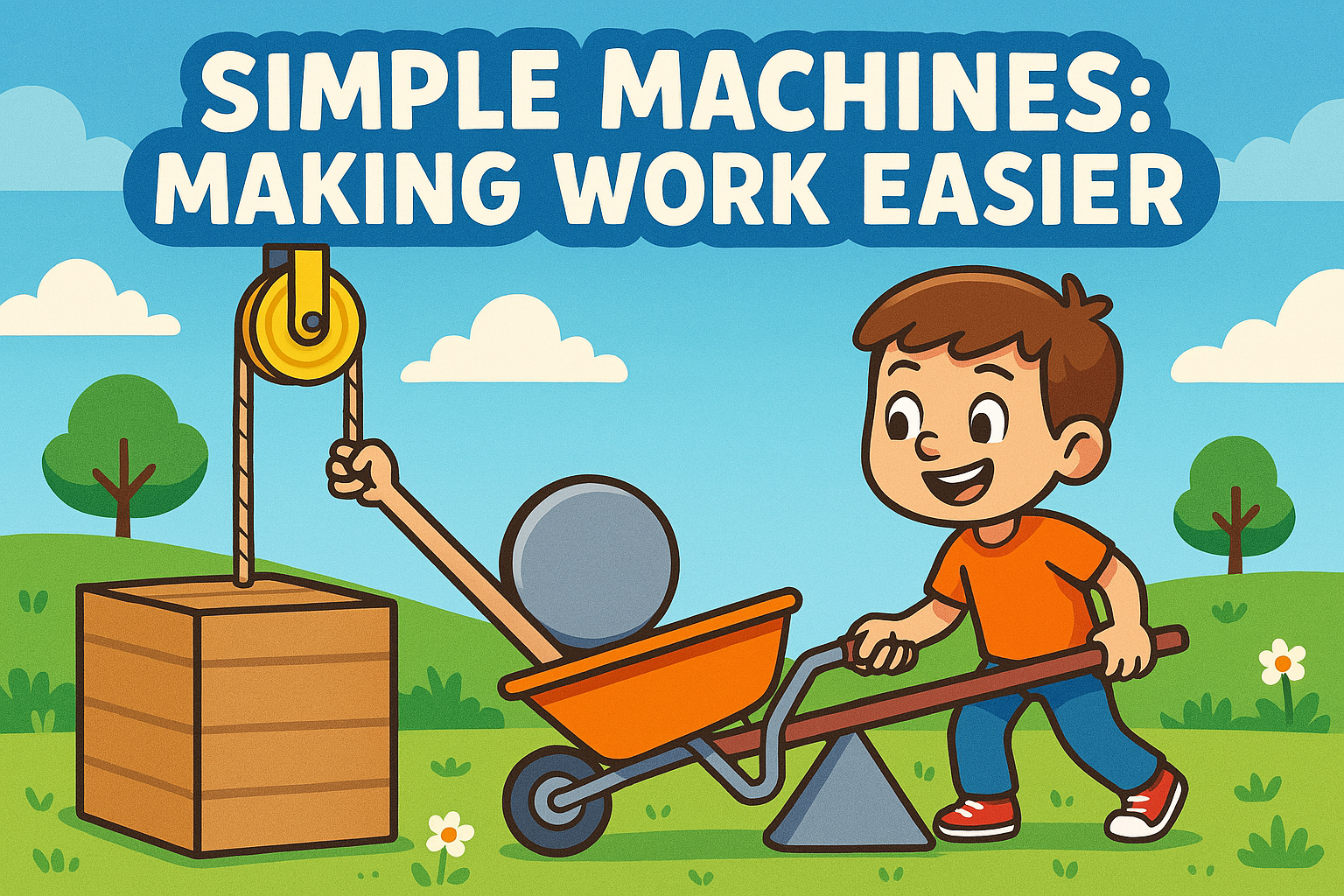
Work Smarter, Not Harder: The Science of Simple Machines Explained (Lesson Plan)

Work Smarter, Not Harder: The Science of Simple Machines Explained

Lesson Plan – Work Smarter, Not Harder: The Science of Simple Machines Explained Teaching physics at home can feel overwhelming, especially if you’re not confident with scientific terms. But this lesson plan makes it simple, practical, and fun. It focuses on “simple machines” – basic tools like levers, pulleys, and wheels that help us do … Read more

Momentum and Collisions: The Physics of Impacts (Lesson Plan)

Momentum and Collisions: The Physics of Impacts

Lesson Plan – Momentum and Collisions: The Physics of Impacts Understanding how things move and collide may sound like something only scientists do — but in reality, it’s part of everyday life. This lesson plan on momentum and collisions breaks down the key principles behind movement, impacts, and why things bounce, crash, or stop. It’s … Read more

Work, Energy and Power: How Things Get Done (Lesson Plan)

Lesson Plan – Work, Energy and Power: How Things Get Done This home education lesson focuses on three key ideas in physics: work, energy, and power. Although these words might sound familiar, science gives them very specific meanings. In physics, work happens when a force (like a push or pull) moves something. Energy is the … Read more