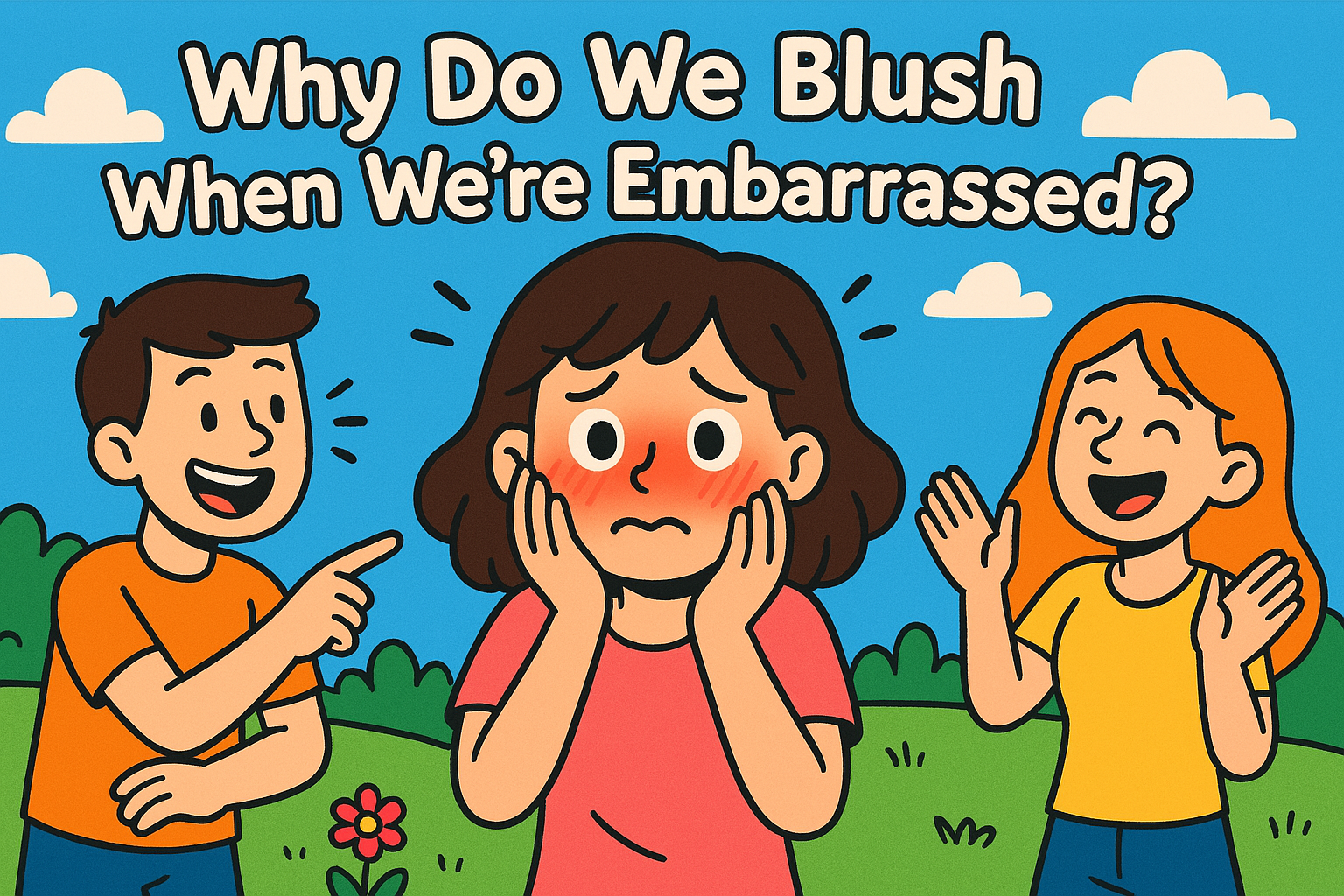
Why Do We Blush When We’re Embarrassed? (Lesson Plan)
Lesson Plan - Why Do We Blush When We’re Embarrassed?
The lesson plan for Why Do We Blush When We’re Embarrassed? is designed to help home educating families explore a fascinating part of human biology. This topic looks at why our faces turn red when we feel embarrassed, what causes the reaction, and what it tells us about our emotions and brains. It’s a great way to spark curiosity about how the human body works.
The plan includes a range of ready-to-use activities, such as creative writing, comprehension questions, and discussion ideas. These can help children of different ages understand the science behind blushing, how it links to emotions like shame and nervousness, and why it only happens in humans. There are also deeper thinking tasks to get learners questioning and reflecting.
Whether used as part of a wider project on human biology, feelings, or psychology, or as a stand-alone session, this flexible lesson structure supports parents in guiding learning at home. It allows you to explore the topic in the way that best fits your family’s pace, interests, and schedule.
This topic is part of our Info Zone collection. You can read the full topic, once logged in, here: Why Do We Blush When We’re Embarrassed?
You’ll also find a full Lesson Plan and a handy Parent Q & A sheet, for this topic, ready to use..
|
Lesson Plan: Why Do We Blush When We’re Embarrassed? | |
|---|---|
| Overview | This lesson explores why humans blush when they feel embarrassed or self-conscious. It covers the science of blushing, the role of emotions, and how it connects to the brain and nervous system. Suitable for learners aged 8–16. |
| Learning Objectives |
- Understand what causes blushing - Learn how emotions affect the body - Explore the social and scientific reasons behind blushing - Encourage critical thinking about human emotions |
| Estimated Time | 45–60 minutes |
| Starter Activity |
Discuss: “Can you remember a time when you felt really embarrassed? What happened, and how did your body react?” Watch each other’s faces while pretending to feel embarrassed, angry, or surprised. What changes can you see? |
| Read and Learn |
Read the full topic together from Why Do We Blush When We’re Embarrassed?. Then ask or answer together:
|
| Activities | Comprehension Questions:
Creative Task: Imagine you’re a superhero who turns red when using your powers. Write a short comic strip or paragraph explaining your powers, what causes the blushing, and how people react. Science Challenge: Draw a simple diagram of the face. Label where the blood flows when someone blushes. Add arrows to show the direction of the blood flow during vasodilation. |
| Deeper Thinking | Big Question: “If you couldn’t blush at all, would that change how people see you?” Talk about honesty, guilt, and how body language affects trust. Optional extra: Research what famous scientist Charles Darwin said about blushing. |
| Creative Projects |
- Make a “Blush-o-Meter” poster showing a scale from mildly pink to full tomato red. What causes each level? - Create a comic strip showing a character blushing in different situations – shy, excited, guilty, proud. |
| Review & Reflect |
Ask your learner:
|
| Extensions & Homework |
- Watch a short science video on body responses like fight-or-flight or facial expressions - Keep a “Feelings Diary” for a week. Each day, write one thing that made you blush or feel strong emotions - Research other unique human behaviours, like crying or laughing, and compare them with animals |
[cl_logged_out]
Members Only
You need to be registered and logged in to access this lesson plan and all other learning resources, games and quizzes.
[/cl_logged_out]