
History for Kids and Teens
Explore history for kids and teens with clear, engaging lessons that bring the past to life. Discover ancient civilisations, Roman and medieval Britain, kings and rebellions, world wars, social change, famous events and the evidence historians use to understand what really happened.
You do not need to study history in a fixed order. Choose a period, person or event that interests you and start exploring. Lenara Learning history lessons are written for curious young learners, whether you are learning at home, revising, supporting schoolwork or simply want to know more about the people and events that shaped our world.
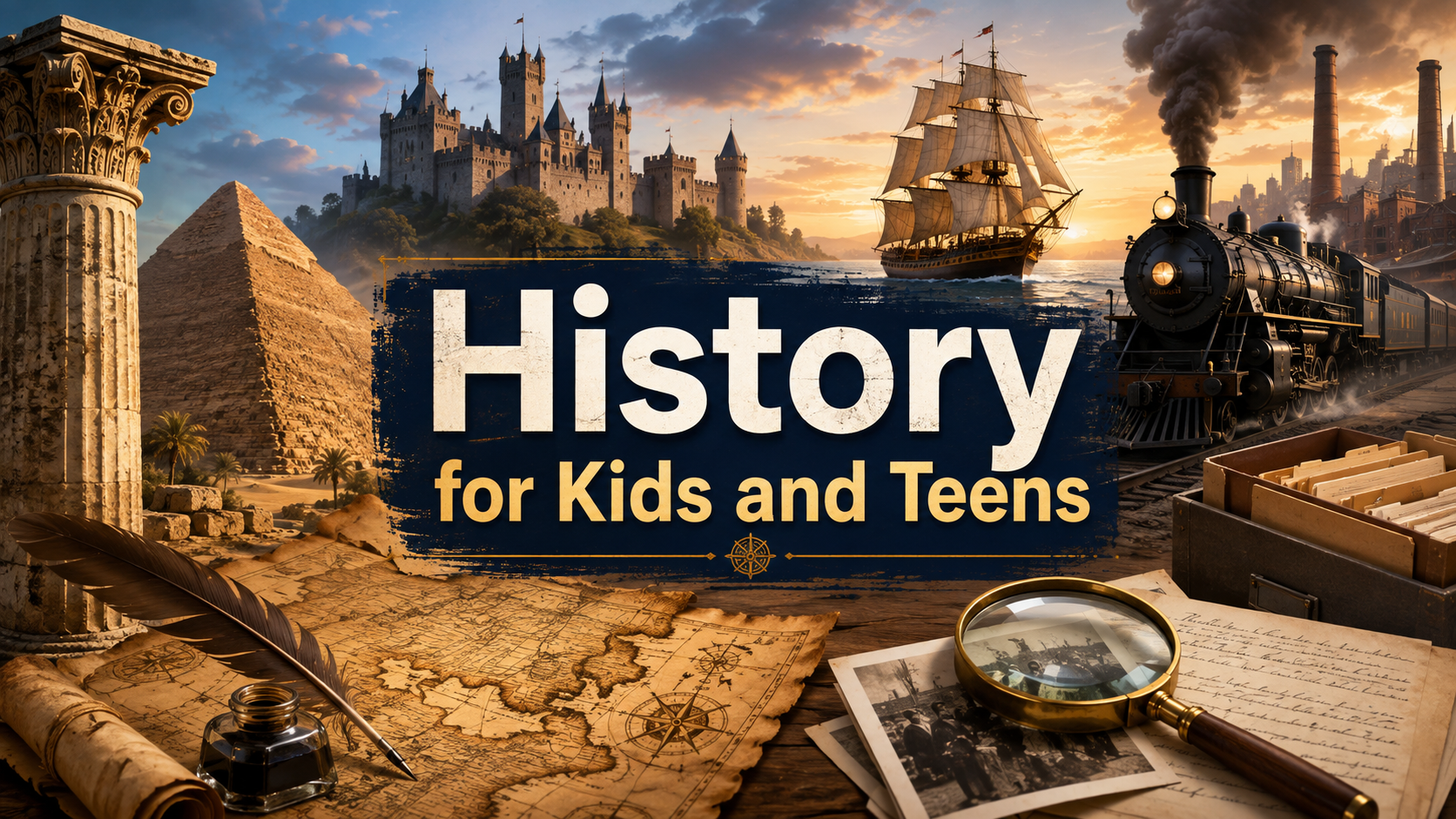
Explore Thousands of Years of History
History is much more than remembering dates. It is about understanding people, decisions, ideas, conflicts and changes that shaped the societies we live in today.
Why did powerful empires rise and fall? Why did people rebel against their rulers? How did ordinary families experience war, disease or political change? How can we know what happened hundreds or thousands of years ago when the people involved are no longer here to tell us?
Those questions can take you from ancient South America to Roman Britain, medieval Europe, Victorian cities, the trenches of the First World War and the divided streets of Cold War Berlin.
Choose a History Topic
Explore the part of history that interests you most. Each area contains lessons that introduce important events, people and historical ideas in clear language for young learners.
Ancient Civilisations
Explore ancient societies, their rulers, technologies, beliefs, achievements and the evidence they left behind.
English History
Discover Roman Britain, monarchs, rebellions, political change, Victorian life and some of the events that transformed England.
Medieval and Early Modern History
Explore Vikings, castles, plague, persecution, religion, power and everyday life in the medieval and early modern world.
Modern and Social History
Discover how migration, technology, politics and major social changes affected ordinary people and helped create the modern world.
Conflict and Military History
Investigate why wars begin, how they are fought and what conflict means for soldiers, civilians and the societies involved.
World History
Travel beyond Britain to explore civilisations, disasters, conflicts and events that changed different parts of the world.
Historical Evidence and Interpretation
Learn how historians examine sources, compare evidence, recognise uncertainty and decide which explanations of the past are best supported.
Featured History Lessons
Not sure where to begin? These lessons take you across different periods, places and types of history.
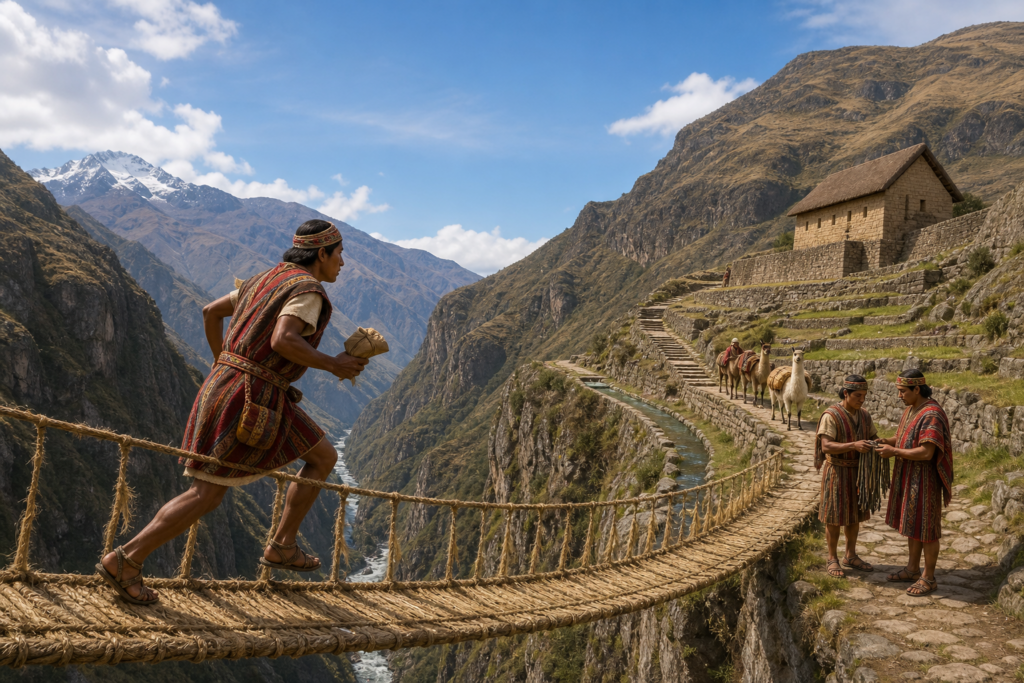
How the Inca Built an Empire Without Wheeled Transport or Conventional Writing
Discover how roads, runners, engineering and sophisticated systems of organisation helped the Inca control a huge Andean empire.
Explore this lesson
Boudica's Rebellion and Roman Britain
Explore Roman occupation, the Iceni uprising and what ancient writers and archaeology can tell us about Boudica's revolt.
Explore this lesson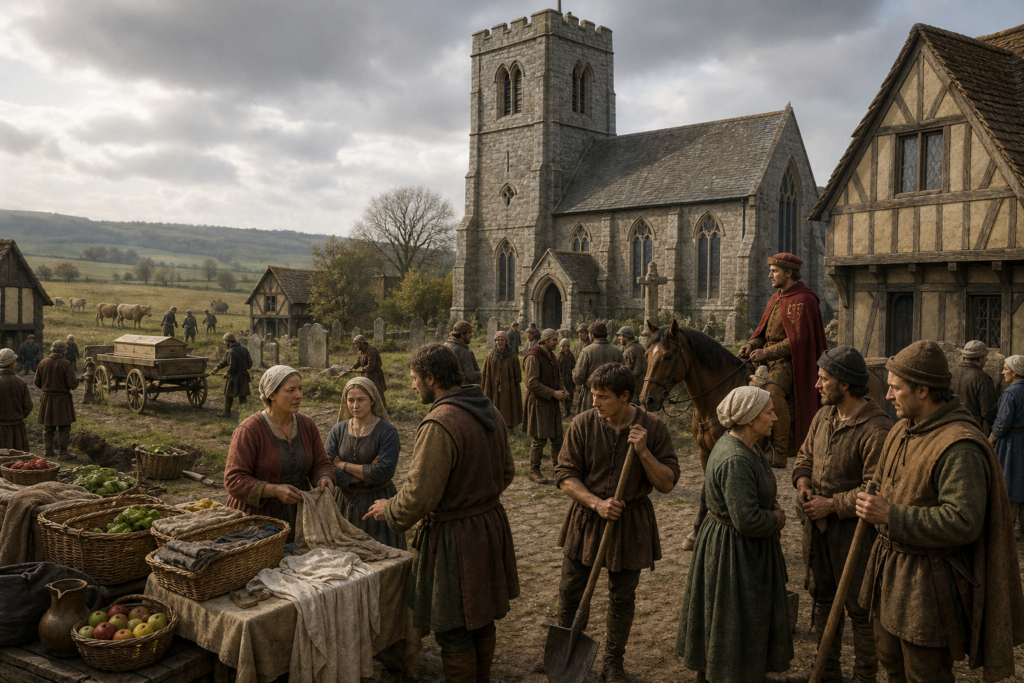
How the Black Death Pandemic Changed Medieval Society
Learn how one of history's most devastating pandemics affected population, labour, communities and medieval society.
Explore this lesson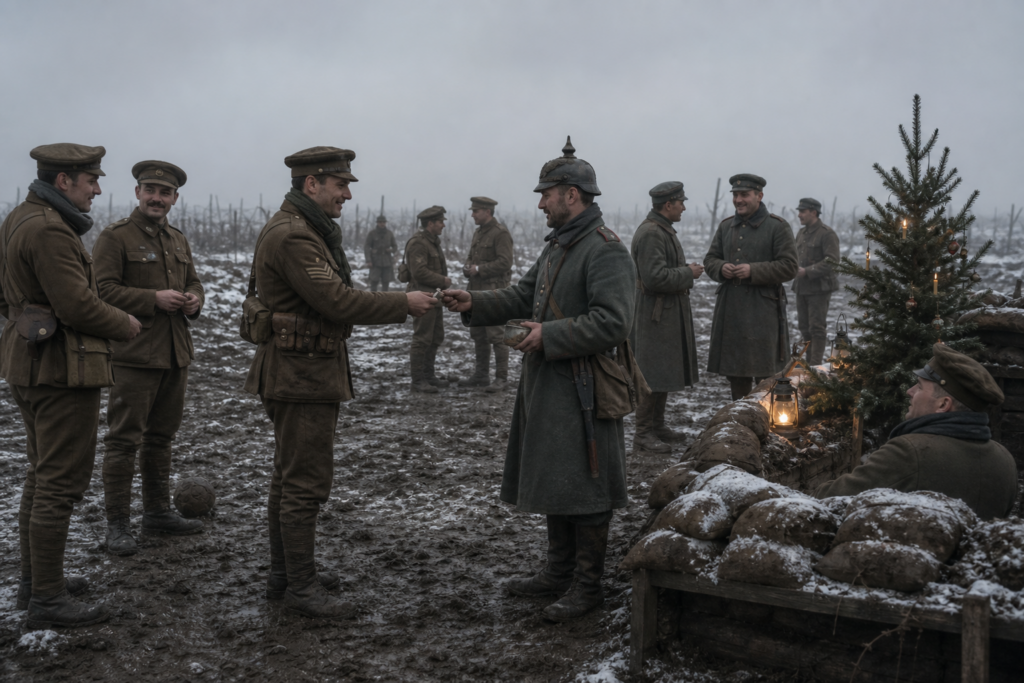
The Christmas Truce of 1914: What Really Happened?
Separate evidence from later legend and discover what actually happened during local ceasefires on the Western Front at Christmas 1914.
Explore this lesson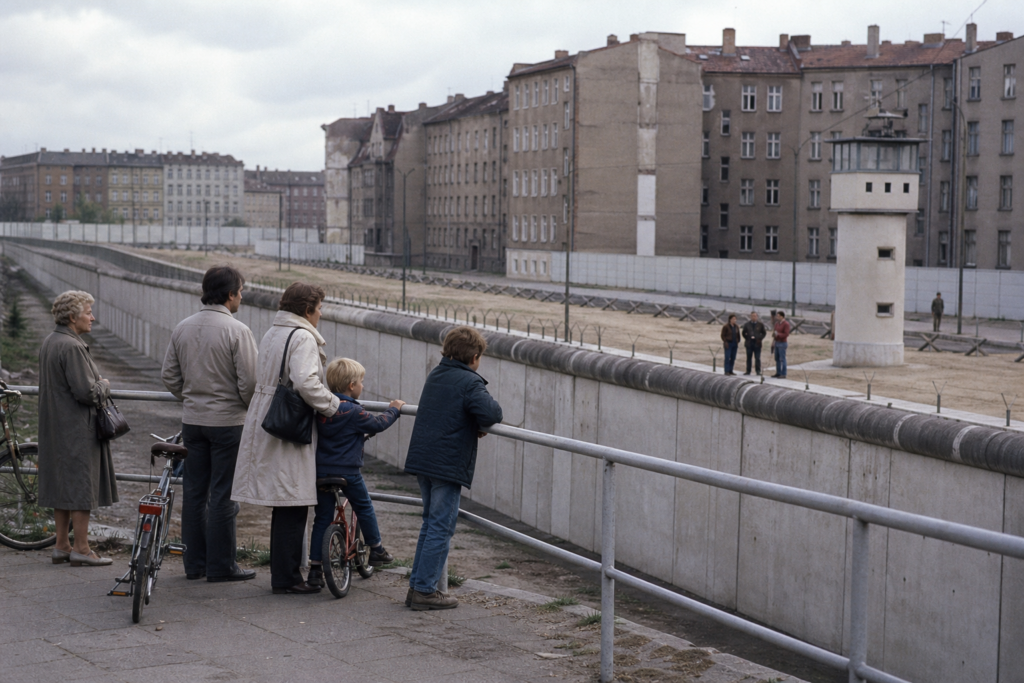
The Berlin Wall and the Families It Divided
Discover why Berlin was divided, how the Wall affected ordinary people and how life changed when Germany was finally reunited.
Explore this lesson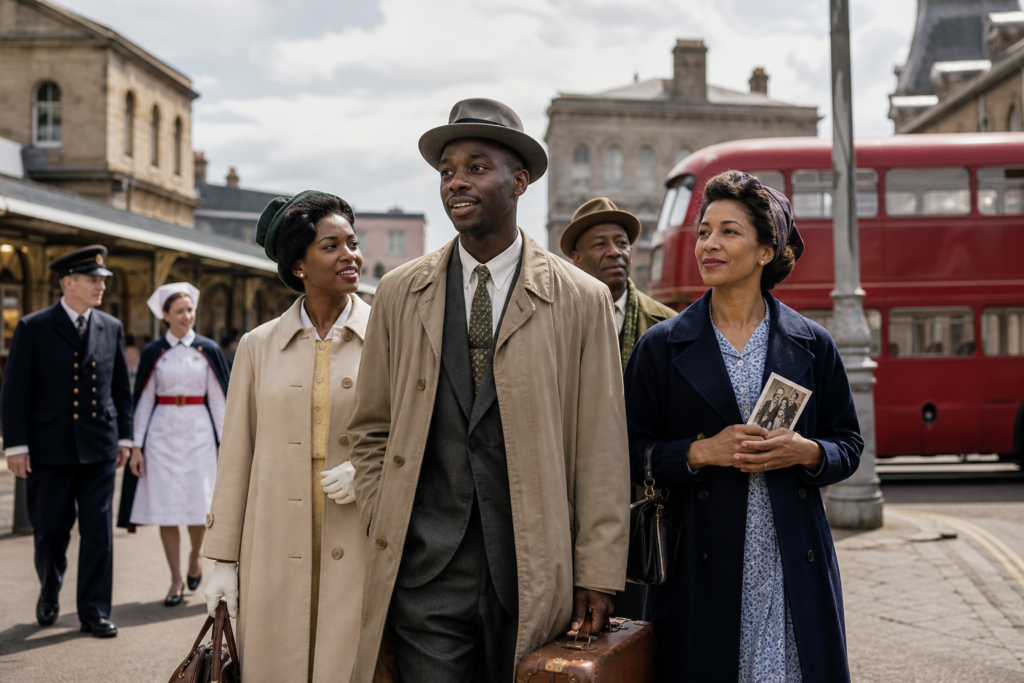
The Windrush Generation and the Making of Modern Britain
Explore Caribbean migration after the Second World War and the contribution of the Windrush generation to modern British society.
Explore this lesson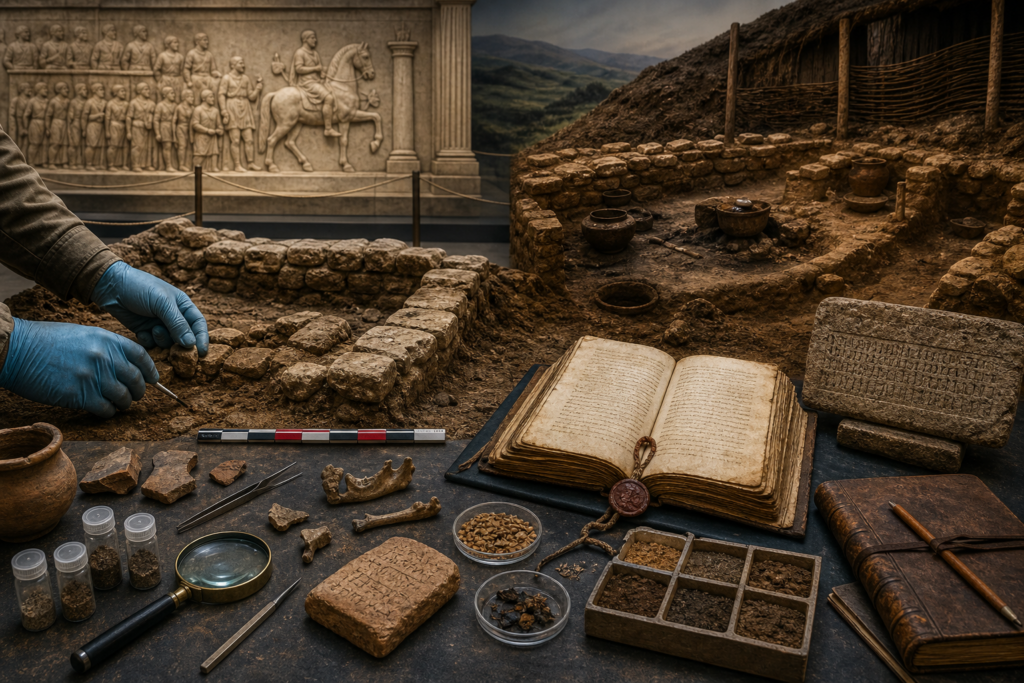
How Archaeology and Written Evidence Can Disagree
Find out what historians do when ancient texts tell one story but discoveries in the ground appear to tell another.
Explore this lesson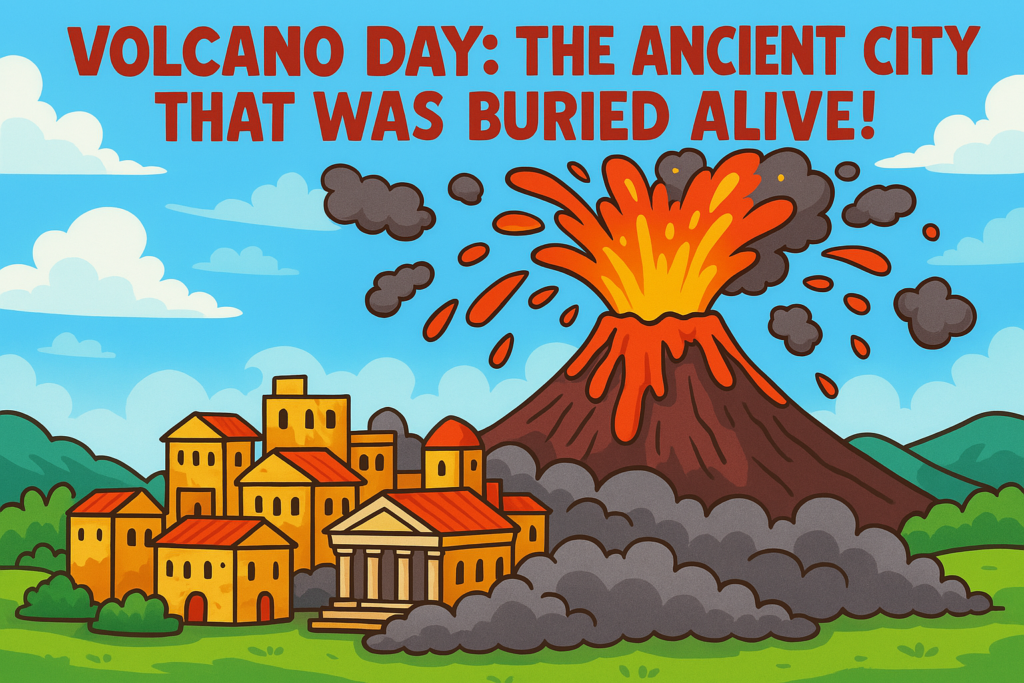
Pompeii: The Ancient City That Was Buried Alive
Explore the eruption of Mount Vesuvius and discover how the buried city of Pompeii preserved extraordinary evidence of Roman life.
Explore this lessonBritish History From Roman Britain to the Modern World
British history stretches across invasion, settlement, monarchy, religion, rebellion, industrialisation, migration, war and political reform. It is a story of powerful rulers, but it is also the story of ordinary people whose lives changed as the country around them changed.
Our English History lessons explore subjects ranging from Roman Britain and the Norman Conquest to the Tudors, the English Civil War, Victorian society and campaigns for political change.
Rather than simply asking what happened, history encourages us to investigate why it happened. What allowed one ruler to gain power? Why did people rebel? Why did religious beliefs become political issues? Why did living and working conditions change? Looking for causes and consequences turns a list of events into a connected story.
Ancient Civilisations and the Medieval World
Ancient and medieval societies can seem distant, but many of the problems they faced are surprisingly recognisable. People still needed food, homes, transport, laws, security and ways to organise communities. What changed were the technologies, beliefs, political systems and environments available to them.
Our Ancient Civilisations lessons investigate how complex societies developed and how historians reconstruct their stories from surviving evidence.
The Medieval and Early Modern History collection explores a period shaped by kingdoms, religion, castles, trade, disease and struggles for power. It also looks beyond famous rulers to ask how major events affected ordinary people.
World History Is Bigger Than One Country
No country's history exists by itself. Trade, migration, conquest, ideas, technologies and diseases have crossed borders for thousands of years.
Exploring World History helps you understand events from different perspectives and discover societies beyond Britain. The collection ranges from ancient civilisations to major conflicts and events in the modern world.
Looking at different places also reveals how geography affects history. Mountains, rivers, oceans, climate and natural resources can influence where settlements grow, how armies move, which goods are traded and how states communicate across large territories.
History Is About More Than Kings and Battles
Some historical events involve monarchs, generals and governments, but history also investigates the lives of workers, children, migrants, families and communities.
Modern and Social History explores how large changes affected real people. Industrialisation, migration, political movements, new technology and changing laws can transform everyday life just as dramatically as a battle or change of ruler.
This is also why historians study diaries, photographs, letters, census records, newspapers and oral testimony. These sources can reveal experiences that may barely appear in official government documents.
How Do Historians Know What Happened?
History is not simply a collection of stories passed down from the past. Historians build explanations from evidence.
Historical evidence can include letters, diaries, official documents, newspapers, maps, photographs, buildings, artefacts, archaeological remains, court records, census data, film, audio recordings and eyewitness testimony.
Every source has to be examined carefully. Who created it? When was it produced? Why was it created? What could the person who made it actually know? Is there other evidence that supports or challenges it?
The Historical Evidence and Interpretation lessons explore these questions directly. They show why historians sometimes disagree and why disagreement does not necessarily mean that somebody is simply wrong.
Cause, Consequence, Change and Continuity
Strong historical understanding involves more than knowing that one event happened before another.
Historians investigate causes to understand why something happened and consequences to understand what followed. They also study change and continuity, asking what transformed over time and what remained surprisingly similar.
A war might change national borders but leave parts of everyday life untouched. A new law may be passed quickly while attitudes take decades to change. A technological invention can exist for years before it begins transforming society.
Thinking in this way helps you see history as a network of connected developments rather than a timeline filled with isolated facts.
What Skills Does Studying History Build?
History develops skills that are useful far beyond the subject itself.
- Chronology helps you understand the order of events and how different periods connect.
- Cause and consequence helps you investigate why events happened and what followed.
- Evidence evaluation teaches you to ask whether a claim is actually supported.
- Source analysis helps you recognise viewpoint, limitations and context.
- Comparison helps you spot similarities and differences between societies and periods.
- Critical thinking encourages you to question explanations rather than accepting them automatically.
- Historical interpretation helps you understand why reasonable people can reach different conclusions from incomplete evidence.
These skills are especially useful today. Online information can mix evidence, opinion, mistakes and deliberate misinformation. Learning how historians test claims gives you a useful way to think critically about information in the modern world too.
Do You Need to Learn History in Order?
No. Knowing chronology is important, but you do not need to begin with the earliest civilisation and work forward year by year.
If Roman Britain interests you, start there. If you want to understand the First World War, explore it. If the Cold War, medieval castles or ancient empires grab your attention, follow that curiosity.
As you explore more lessons, you will naturally begin making connections between different periods. An event in one century may help explain something that happens much later. Ideas, borders, institutions and conflicts often have histories stretching back far further than they first appear.
Keep Exploring History
Lenara Learning currently has dozens of History lessons covering Britain and the wider world, with more being added as the library grows.
Browse all History lessons to see the complete collection, or return to the Lenara Learning lesson library to explore science, geography, maths, technology and many other subjects for kids and teens.