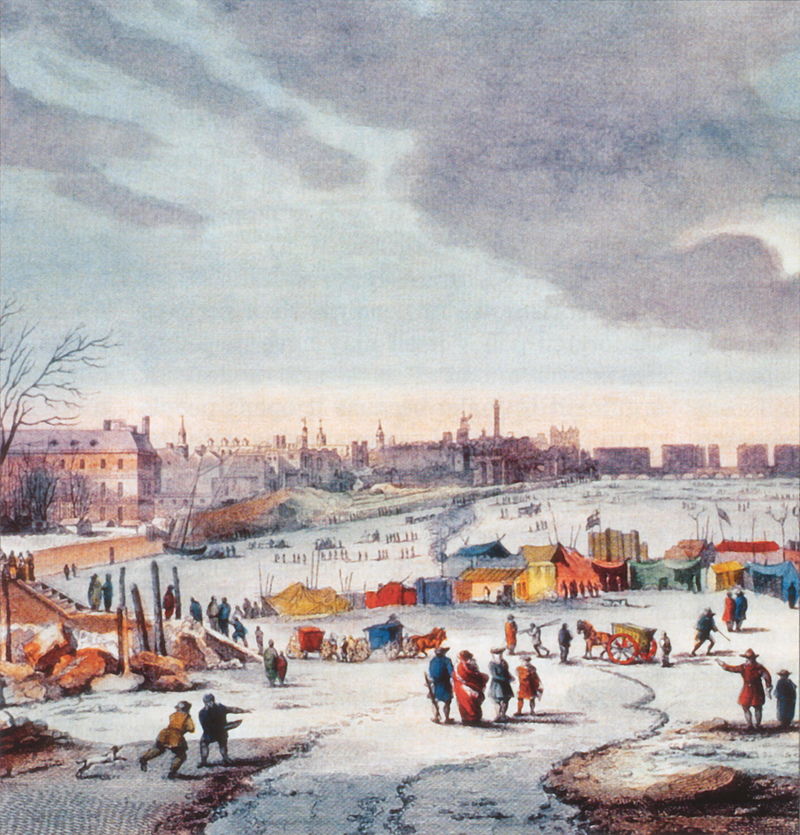
Frost Fairs on the River Thames: How, Why? (Q&A)
Q & A - Frost Fairs on the River Thames: How, Why?
Our Parent Q&A Sheets are designed to give parents and carers helpful background information, useful talking points, and key facts about each topic. Whether you are supporting learning at home or simply want to be able to answer curious questions, these sheets will help you feel confident and prepared. Each Q&A sheet links directly to the main lesson and article, so you can easily guide discussions and encourage deeper thinking.
These sheets are not tests, but friendly guides. They offer simple explanations, suggested questions, and extra details to help you have meaningful conversations with your child or young person. Use them as much or as little as you like—follow the interests of your learner and adapt the questions to suit their age and understanding.
This topic is part of our Info Zone collection. You can read the full article here: Frost Fairs on the River Thames: How, Why?
[br]You’ll also find a full Lesson Plan and a ready-to-use Parent Q&A Sheet to support you.
| Frost Fairs on the River Thames: How, Why? | |
|---|---|
| Tip for Parents | Use these questions to help your child think about the topic. Let them explain ideas in their own words, share their opinions, and be creative. This will help them deepen their understanding of the Frost Fairs. |
| 1. What was the Little Ice Age? | A time, from about the 1300s to the 1800s, when winters were much colder than today. It helped the River Thames freeze solid enough to hold Frost Fairs! |
| 2. Why did the Thames freeze more easily in the past? | Because the old London Bridge had many narrow arches and wooden supports that slowed the flow of water. Slow-moving water freezes more easily, especially during cold winters. |
| 3. What was a Frost Fair? | A Frost Fair was like a winter festival held on the frozen River Thames. People built stalls, played games, skated, and even danced on the ice. |
| 4. What fun activities did people enjoy during Frost Fairs? | People enjoyed ice skating, puppet shows, music, dancing, and even horse-drawn sled rides. There were also food stalls selling treats like roasted chestnuts and gingerbread. |
| 5. Why did people print souvenirs on the ice? | Printing presses were set up directly on the ice so people could get special souvenirs. These might have their name or a short poem and became a popular keepsake. |
| 6. Were Frost Fairs safe? | Most of the time, yes—but only when the ice was thick enough. However, if the weather changed suddenly, the ice could crack or melt, which was dangerous. |
| 7. Why don’t we have Frost Fairs today? | Because winters are warmer now, and the new London Bridge lets the river flow faster, stopping it from freezing solid. |
| 8. What was the most famous Frost Fair? | The Frost Fair of 1683–1684, during one of the coldest winters in history. The Thames froze for two months, and there was even an ox roast on the ice! |
| 9. How did Frost Fairs bring people together? | Rich and poor, young and old, all enjoyed the fairs together. It was a rare chance for the whole city to celebrate and forget their troubles for a while. |
| 10. What can we learn from the Frost Fairs today? | They show us how people found joy even in tough winters, turning a frozen river into a place for fun and community spirit. |
| Extra Conversation Ideas |
|
[cl_logged_out]
Members Only
You need to be registered and logged in to access this Q and A sheet and all other learning resources, games and quizzes.
[/cl_logged_out]