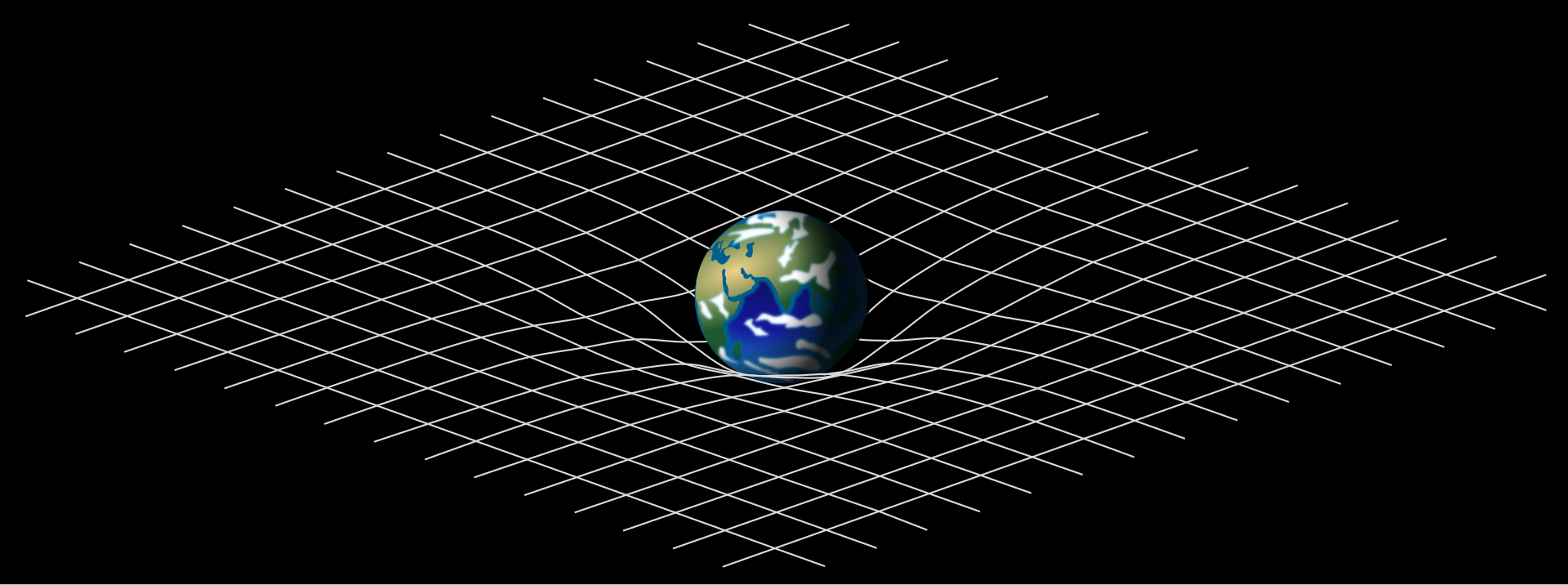
Why Do Things Fall to Earth? (Gravity Explained!) (Lesson Plan)
Lesson Plan - Why Do Things Fall to Earth? (Gravity Explained!)
Elective Home Education (EHE) offers the flexibility to tailor lessons to your child’s interests, pace, and learning style. Our lesson plans are designed to support this approach, providing structured yet adaptable resources you can use at home. Each plan includes a mix of reading, discussion, creative tasks, and extension ideas, giving you the freedom to explore topics in depth or keep things light, depending on your child’s needs on the day.
These lesson plans should be used as a guide to get things started, not a strict curriculum. One of the great things about home education is that parents and carers can follow their child’s interests and adapt learning to suit their style. If a particular topic sparks curiosity—follow it! Use these plans to inspire, not constrain, and feel free to skip, expand, or replace sections based on what works best for your learner.
This topic is part of our Info Zone collection. You can read the full article here: Why Do Things Fall to Earth? (Gravity Explained!)
[br]
You’ll also find a full Lesson Plan and a handy Parent Q & A Sheet ready to use.
| Why Do Things Fall to Earth? (Gravity Explained!) | |
|---|---|
| Overview | This home education lesson introduces learners to the force of gravity. They will explore what gravity is, how it works, and how it affects objects on Earth and in space. This lesson helps learners understand everyday experiences like why things fall, why planets orbit, and why astronauts float in space. |
| Learning Objectives |
- Understand the meaning and importance of gravity - Explain how gravity works both on Earth and in space - Describe the role of gravity in the solar system and beyond - Recognise the effect of gravity on everyday life and space travel |
| Estimated Time | 45–60 minutes |
| Starter Activity |
Discuss together: "Why don’t we float away when we jump? What is pulling us back down?" Drop different objects (feather, ball, book) and observe what happens. Ask: "Why did they fall? What would happen if there were no gravity?" |
| Read and Learn |
Read the full article: Why Do Things Fall to Earth? (Gravity Explained!) Discuss together:
|
| Activities |
Comprehension Questions:
Creative Writing: Imagine you wake up and gravity has stopped working! Write a short story describing what happens during your day. What floats away? How do you get around? Science Investigation: Try dropping two objects of different weights at the same time (e.g., a pencil and a book). What happens? Record your results and explain why they fell together. |
| Deeper Thinking |
Big Question: "How different would the universe be if gravity didn’t exist?" Discuss together. Think about stars, planets, people, oceans, and even your breakfast cereal! |
| Creative Projects |
- Draw a picture showing what would happen if gravity stopped working - Create a poster explaining gravity to a younger child, using drawings and simple words - Make a model or collage of the solar system, showing how gravity holds planets in place |
| Review & Reflect |
Ask the learner:
|
| Extensions & Homework |
- Watch a short video about astronauts living on the International Space Station - Research Isaac Newton and make a fact sheet about him - Find out about another force (e.g., magnetism) and compare it to gravity - Write a poem or comic about gravity’s powers |
[cl_logged_out]
Members Only
You need to be registered and logged in to access this lesson plan and all other learning resources, games and quizzes.
[/cl_logged_out]